Science // Arid worlds
Arid worlds, Mars and its kind
Rocky planets with thin, dry air, the kind Mars is, and the most numerous planets you can land on in Pax Abyssi. Each is built from its own science: its terrain from its type, its caps from its own temperature, its tint from its own albedo, and ground you can walk on to the horizon.
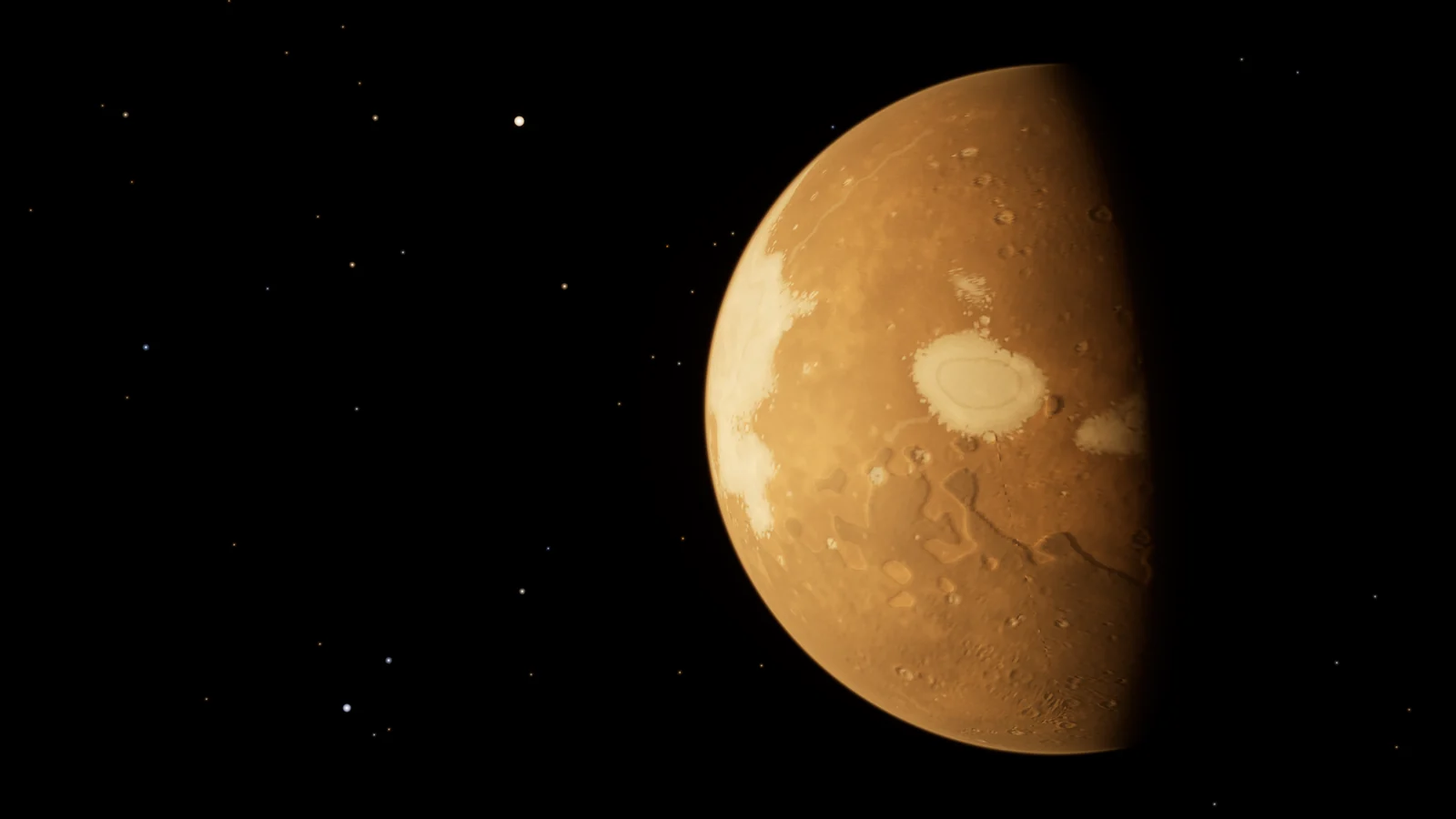
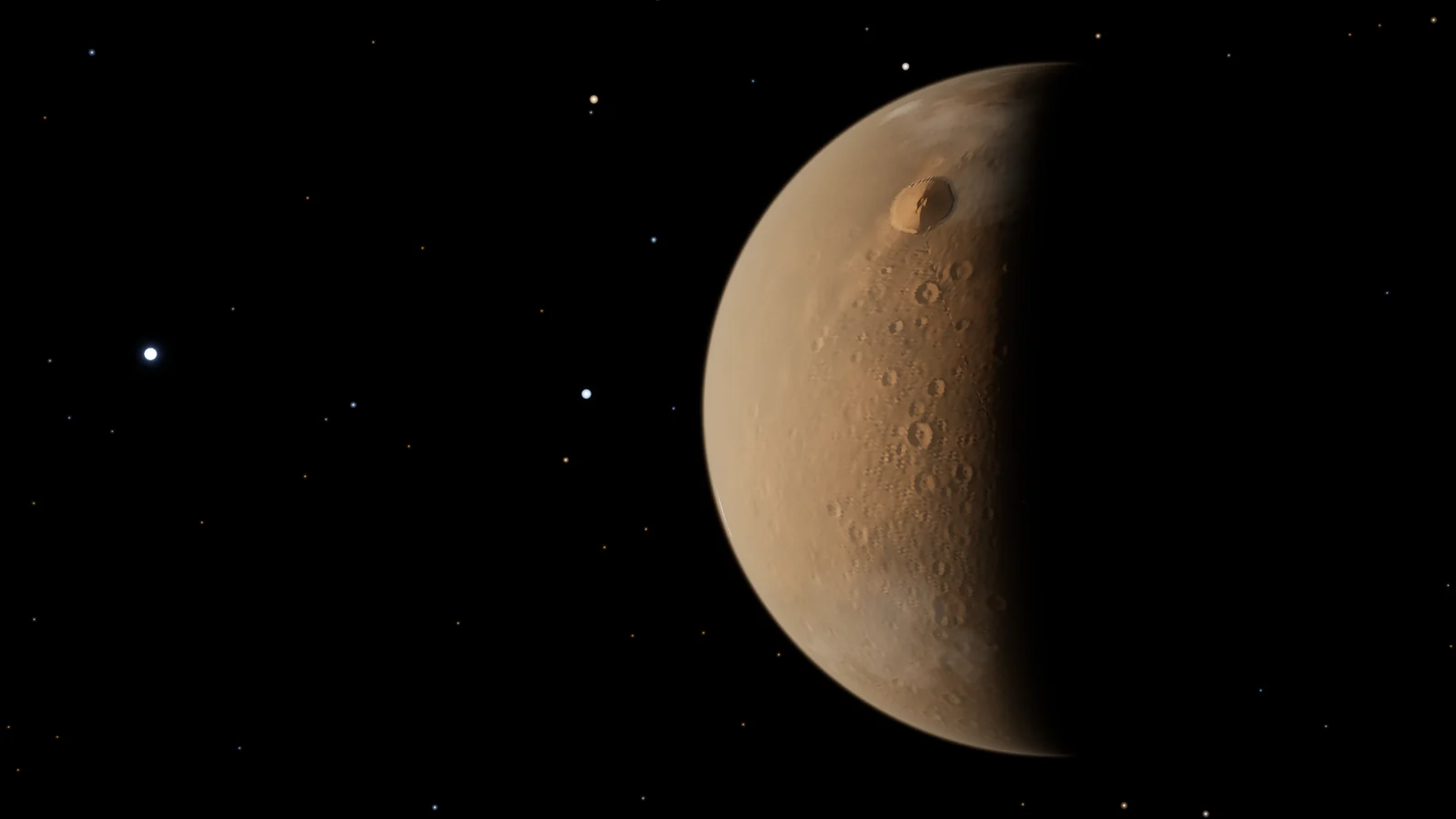
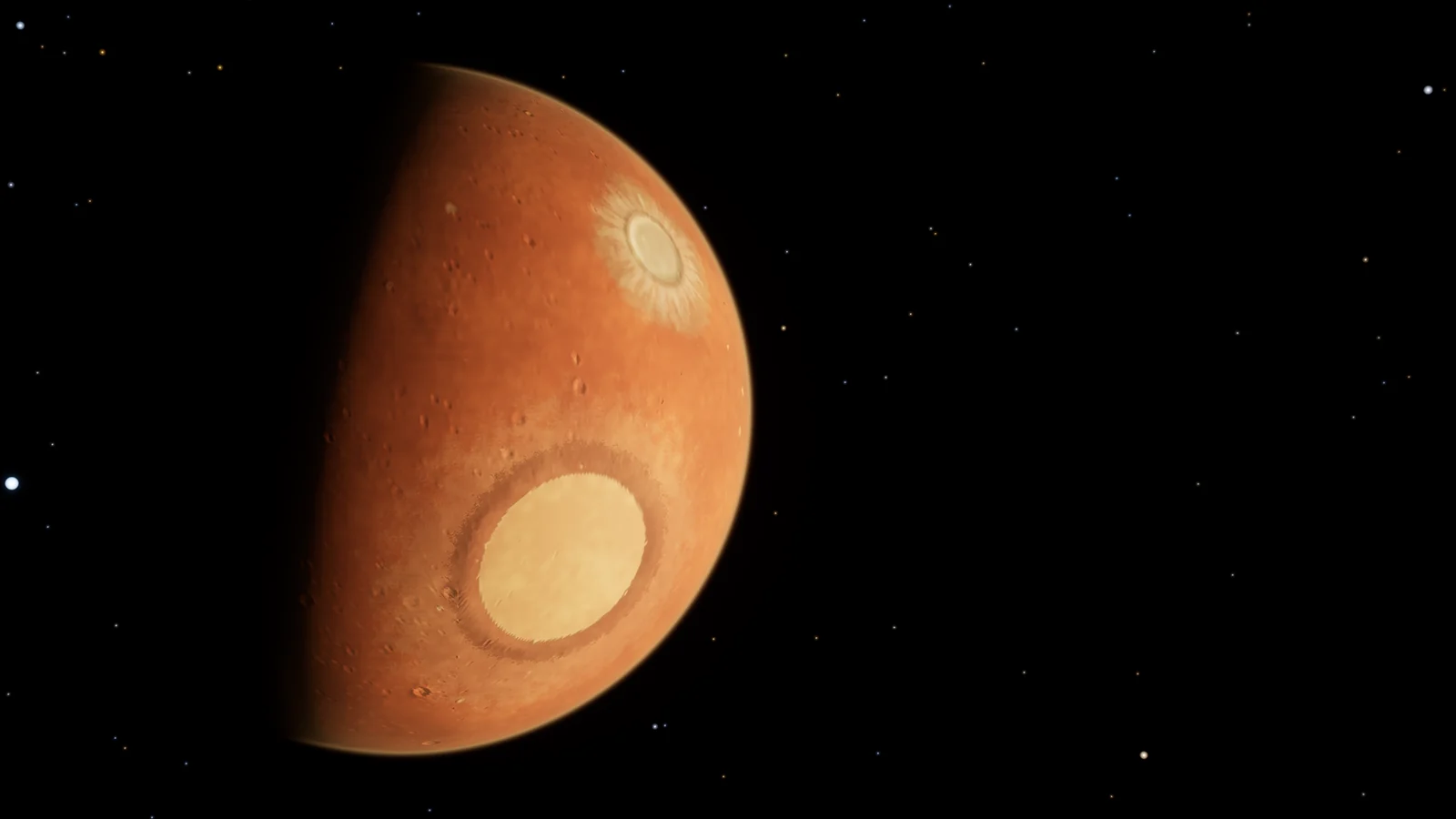
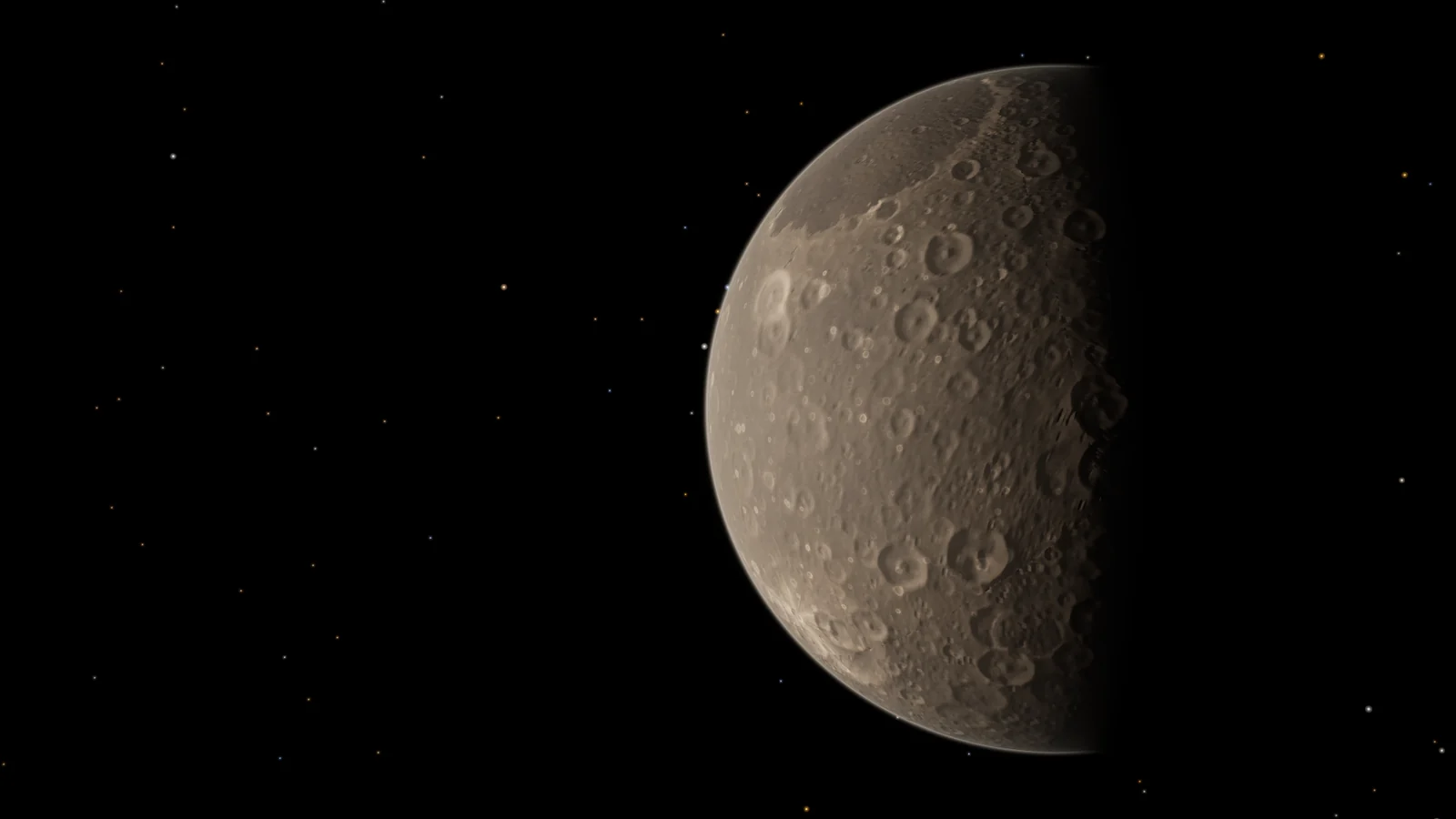
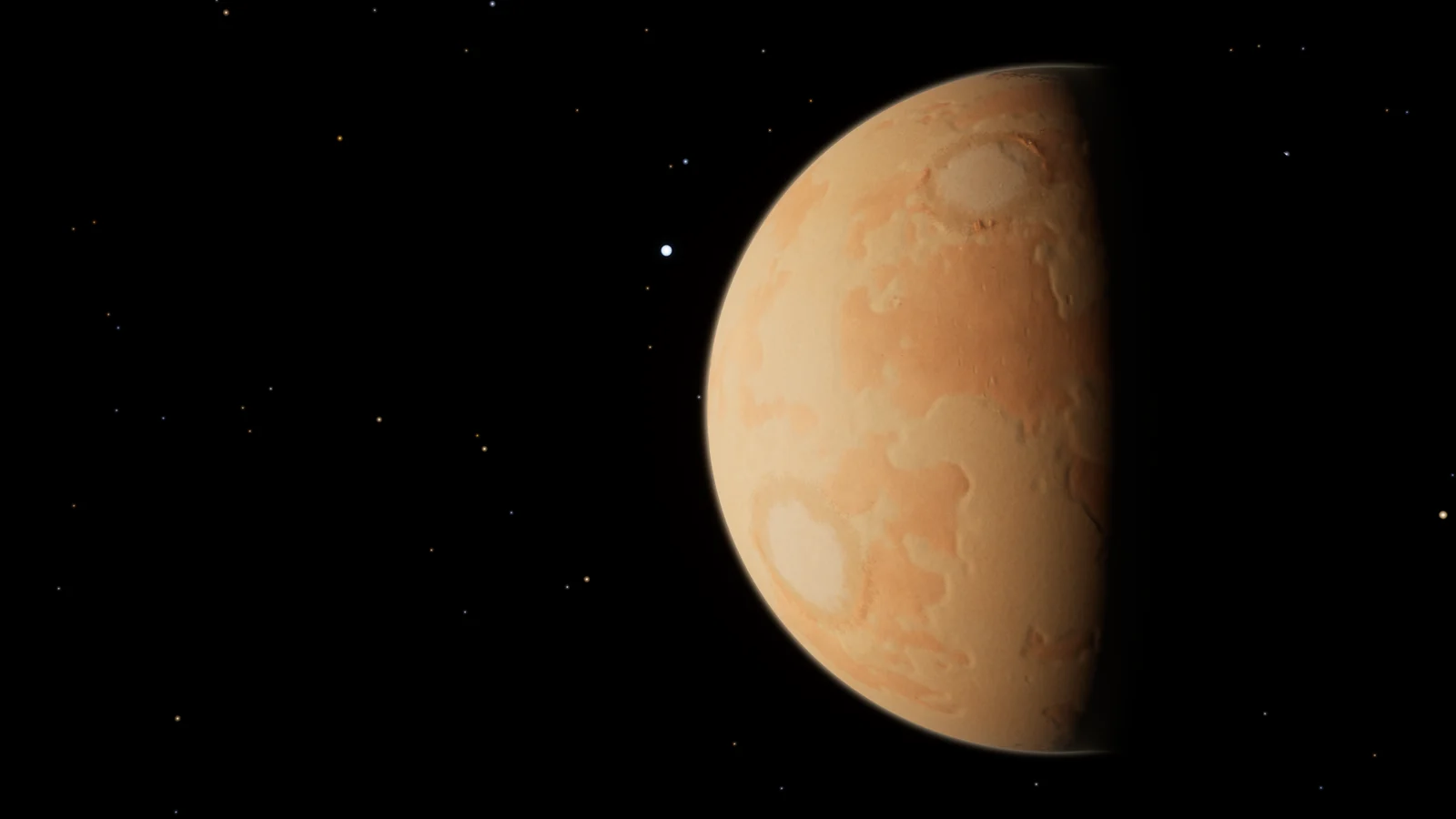
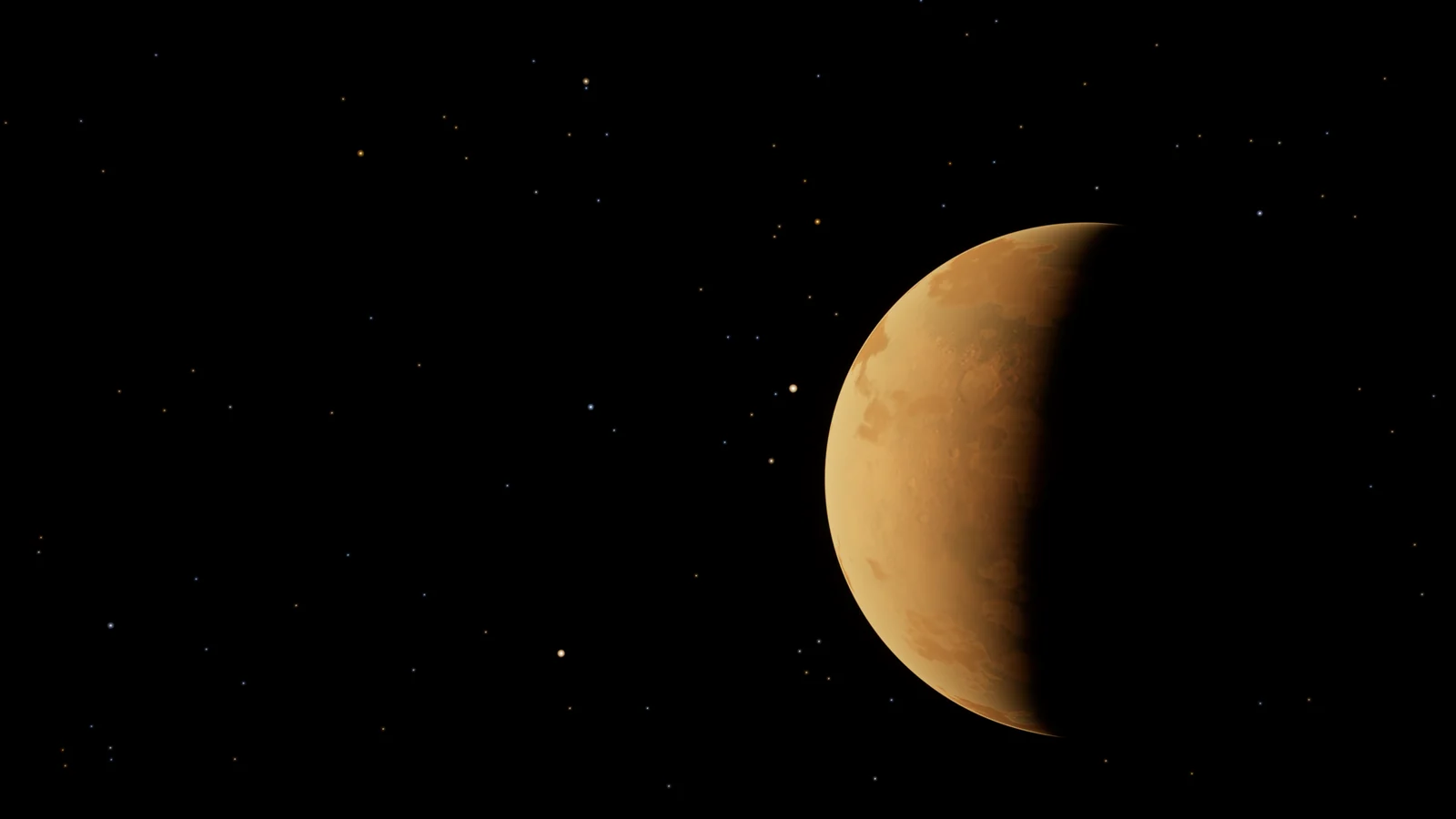
Arid worlds as you see them from orbit
Frames from the game, the HUD off, each planet lit by its own star at its true colour. Select a frame to see it full size.
Thin and clear, or clouded with dust and ice
The science sorts arid worlds by their air first. Thin air leaves the ground bare to the sky; a few tenths of a bar is enough for cloud, haze and storms.
Thin air
0.0005 to 0.12 bar
1,408 planets with Mars's kind of air, carbon dioxide, most of them at a few millibar: too thin for liquid water to last and too thin to hide the ground. Their colour is the rock's and the dust's: rust, ochre, grey-brown or near-black basalt.
Clouded
0.02 to 0.8 bar
786 planets with enough air for weather. The cool ones grow water-ice cloud and polar caps. The hot ones, above about 500 K, never see frost, and what veils their ground is dust.
Mars
6 millibar
Sol IV at its true radius of 3,389.5 km, built from its own layout. Land at the foot of the Olympus Mons scarp, among the hills of Gale crater, on the ice in Korolev crater or at the rim of Coprates Chasma.
A terrain from its type, the rest from the planet
An arid world takes its terrain from its type. Eleven templates, one for each terrain, hold the ground: the craters and basins, the dune fields, the shields and lava flows, the salt pans and old shorelines. Each planet wears its terrain at its own true radius, turned to a heading of its own, so no two rust plains worlds show you the same face.
Then the planet's own numbers dress it. Its brightness follows its measured albedo, which runs from 0.12 to 0.25 within a single type. On the hottest thin-air worlds, above about 600 K, the iron oxides in the dust bake to hematite and the ground turns redder.
No arid world has open water. Below about 6 millibar, ice that warms turns straight to vapour and liquid water cannot last. Where a world once had a sea, the game draws what the sea left: salt in the deepest basins, shorelines where the water stood, and the channels that fed it.
The ice comes from the planet. A thin-air world colder than 320 K wears polar caps sized by its own surface temperature: at 180 K they reach down to about 66 degrees of latitude, and at 300 K only a small cap is left near the pole. The north and south caps differ, as Mars's do. Each stands as a layered plateau 0.5 to 3 km thick, ringed by frost and pitted where the ice has turned to vapour. 513 of the 1,408 thin-air planets are cold enough to wear them.
There are 2,194 arid planets around the catalogue stars, in 1,415 systems, and you can land on every one of them, and on Mars.
17 looks, sorted by terrain
Eleven terrains and Mars. The polar-ice looks are the same terrains under their caps, which a planet wears when it is cold enough.
In Pax Abyssi: every sphere is the game's own frame of a planet wearing that look, from its fast-travel stop 40 degrees from its star. Hover or focus a tile for its name.
- In the game
- In development
- Planned
Rust and ochre plains
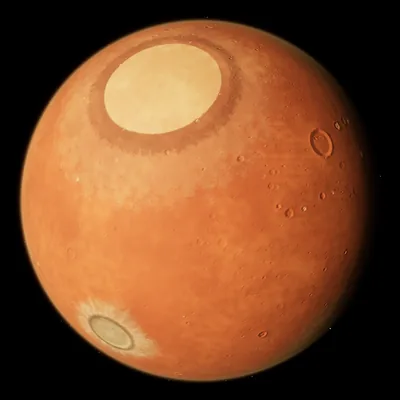
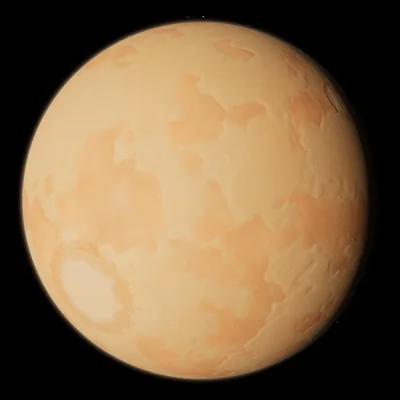
The commonest arid worlds: a few millibar of carbon dioxide over dusty plains. Rust plains are hematite red with big haloed craters and dust-floored basins; on ochre regolith a pale mantle of dust buries the old relief. Below 320 K each wears polar caps sized by its own temperature.
 TAW-RD-RP
 TAW-RD-OR
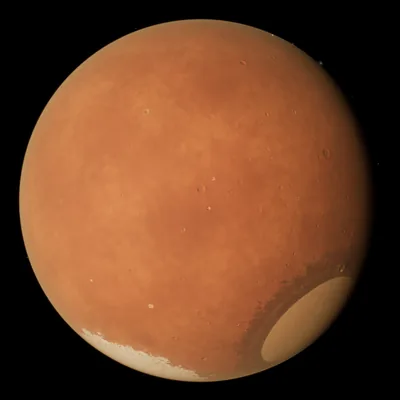 TAW-PI-RI
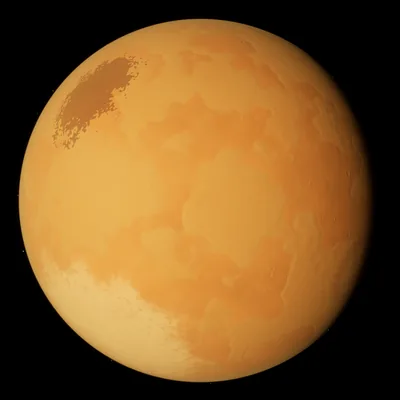 TAW-PI-OI
Cratered highlands
Old crust that has kept every impact: grey-brown ground saturated with craters, multi-ring basins and rayed young craters. The ancient crust is the same ground older and softer, its rims rounded and its crater floors dark. The commonest arid type in the catalogue, and the coldest.
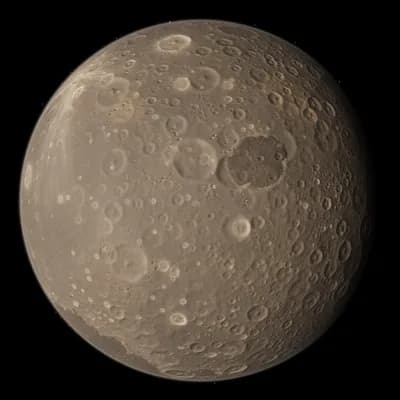 TAW-CH-CH
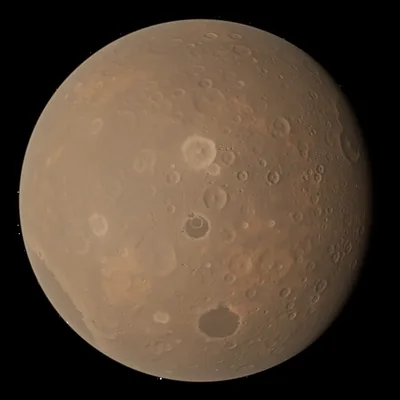 TAW-CH-AC
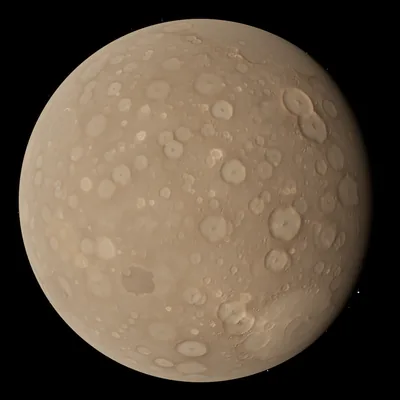 TAW-PI-CI
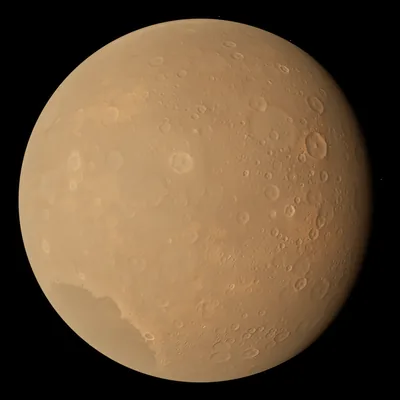 TAW-PI-AI
Volcanic basalt worlds
Near-black lava sheets, broad shield volcanoes and fans of tephra, with few craters because the lava is young. They hold more air than the other thin arid worlds, a median 36 millibar.
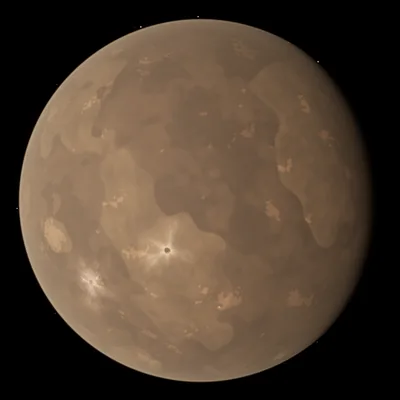 TAW-VB-VB
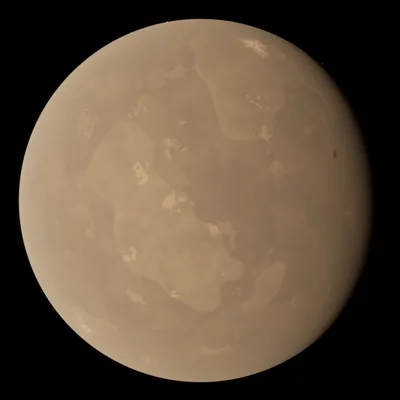 TAW-PI-VI
Evaporated ocean
A world that once had a sea and lost it. The water went in stages, so the old shorelines stand at the levels it fell through, salt lies in the deepest basins, and channels run down into the pans. Most of the low ground is old sea floor, smooth and nearly free of craters.
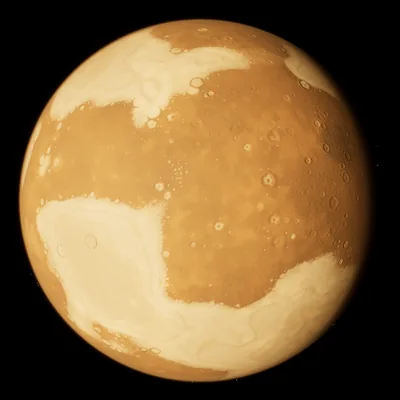 TAW-EO-EO
Clouded arid worlds
Deserts under 0.02 to 0.8 bar of carbon dioxide, a median 0.35 bar: enough air for weather. The cool ones carry water-ice cloud and polar caps. Above about 500 K there is no ice at all, and the veil is dust.
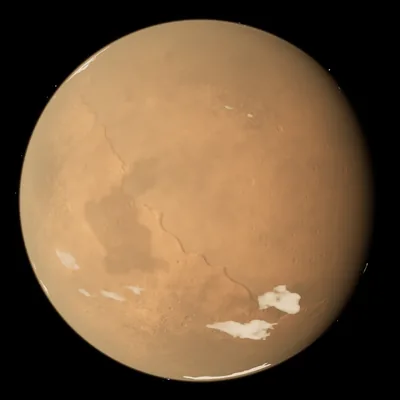 TAC-RD-SD
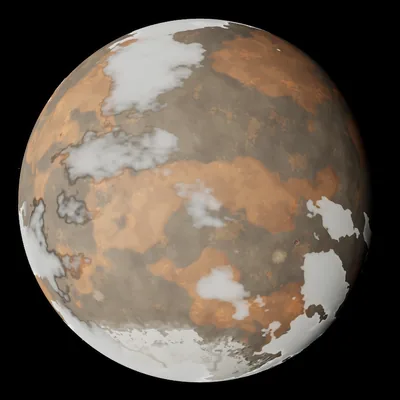 TAC-BH-SD
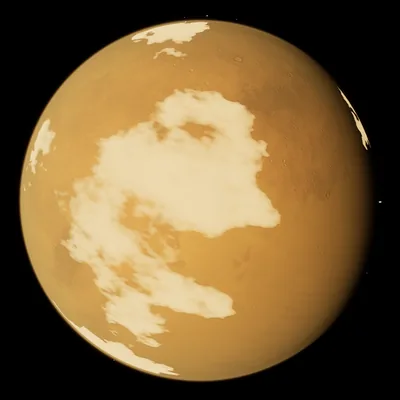 TAC-OD-SD
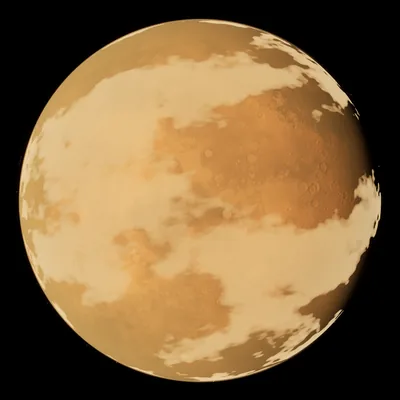 TAC-RH-SD
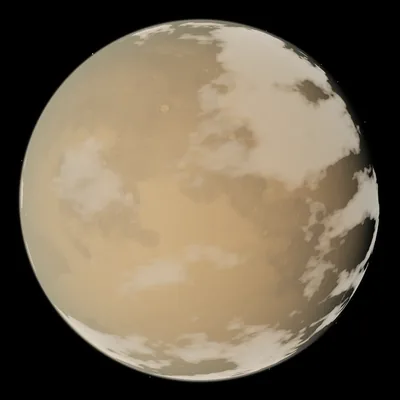 TAC-OH-SD
Mars
The one arid world drawn from its own layout rather than a template: the southern highlands and the northern lowlands, Tharsis and its shields, Valles Marineris, Hellas, and Mars's own caps, at its true radius of 3,389.5 km.
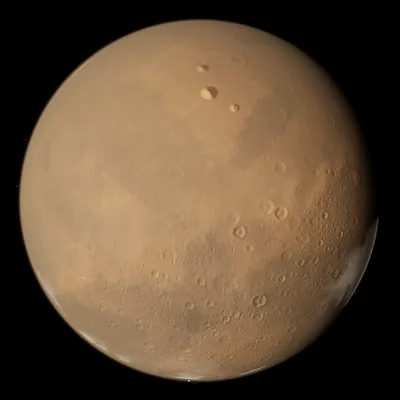 MARS
Rocky worlds smothered by thick air are greenhouse worlds; those hot enough for their rock to melt are lava worlds; airless and icy ones are on barren and ice worlds.
The rest of the science
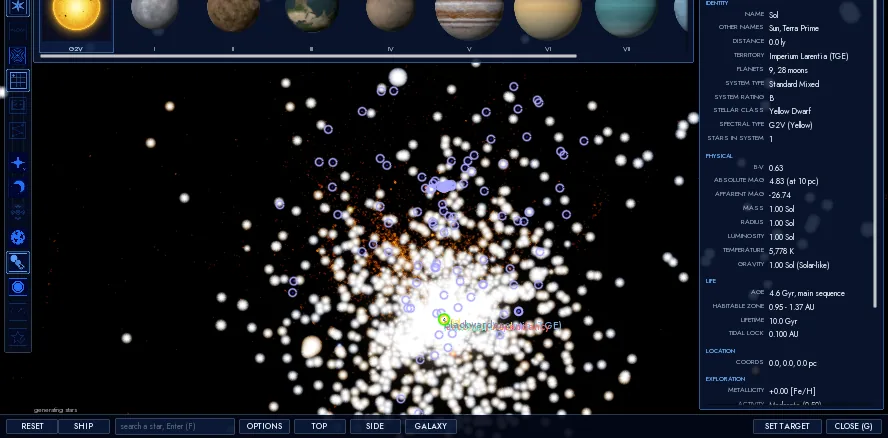 The galaxy111 billion stars, the measured ones where astronomers put themThe whole Milky Way at true scale: every catalogued star in its measured place, and the rest generated from a published model of our galaxy.
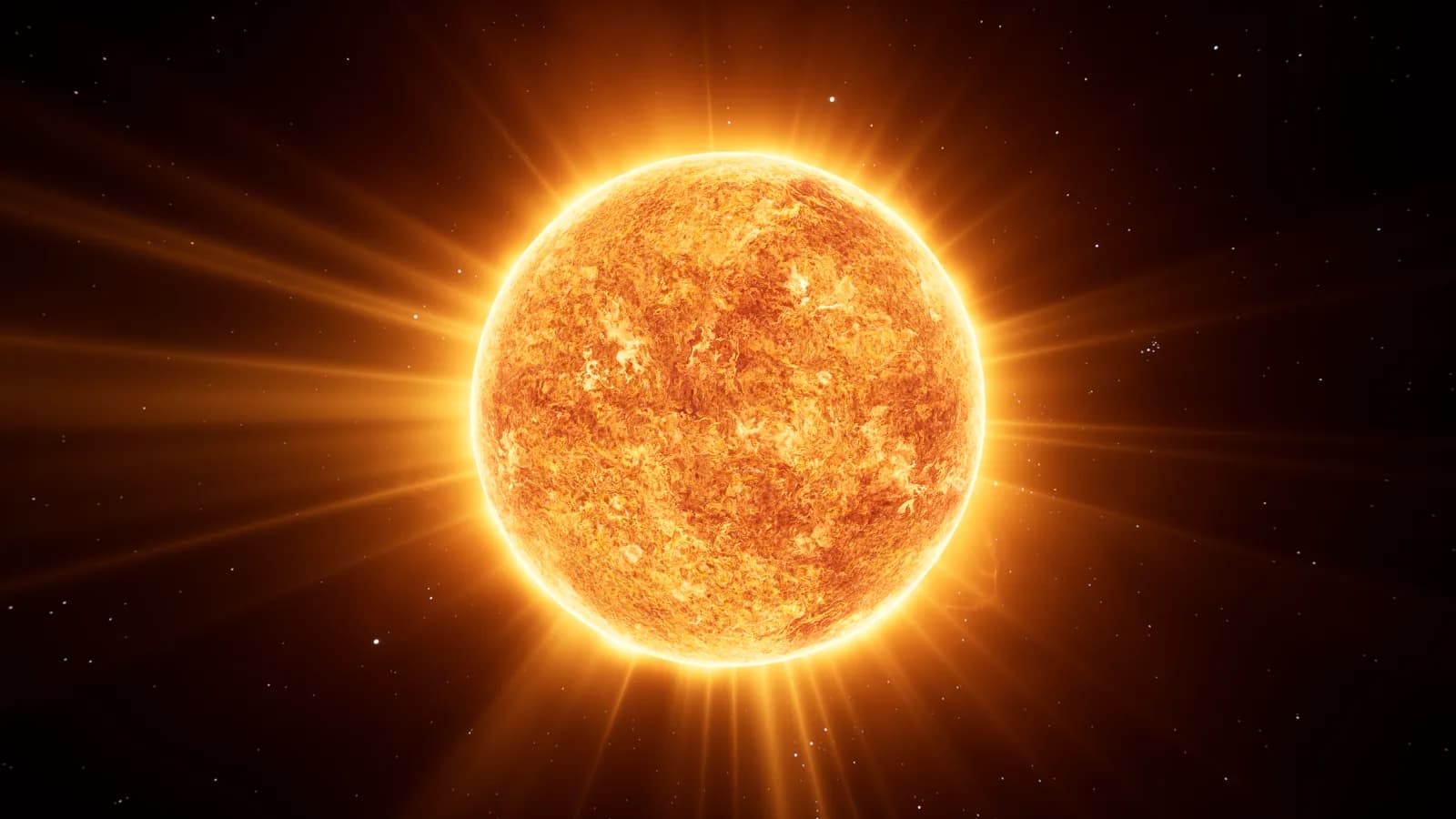 StarsA star is the colour of its temperaturePlanck's law through the human eye, so the Sun is white. Pick Scientific, Game or Vivid in the options.
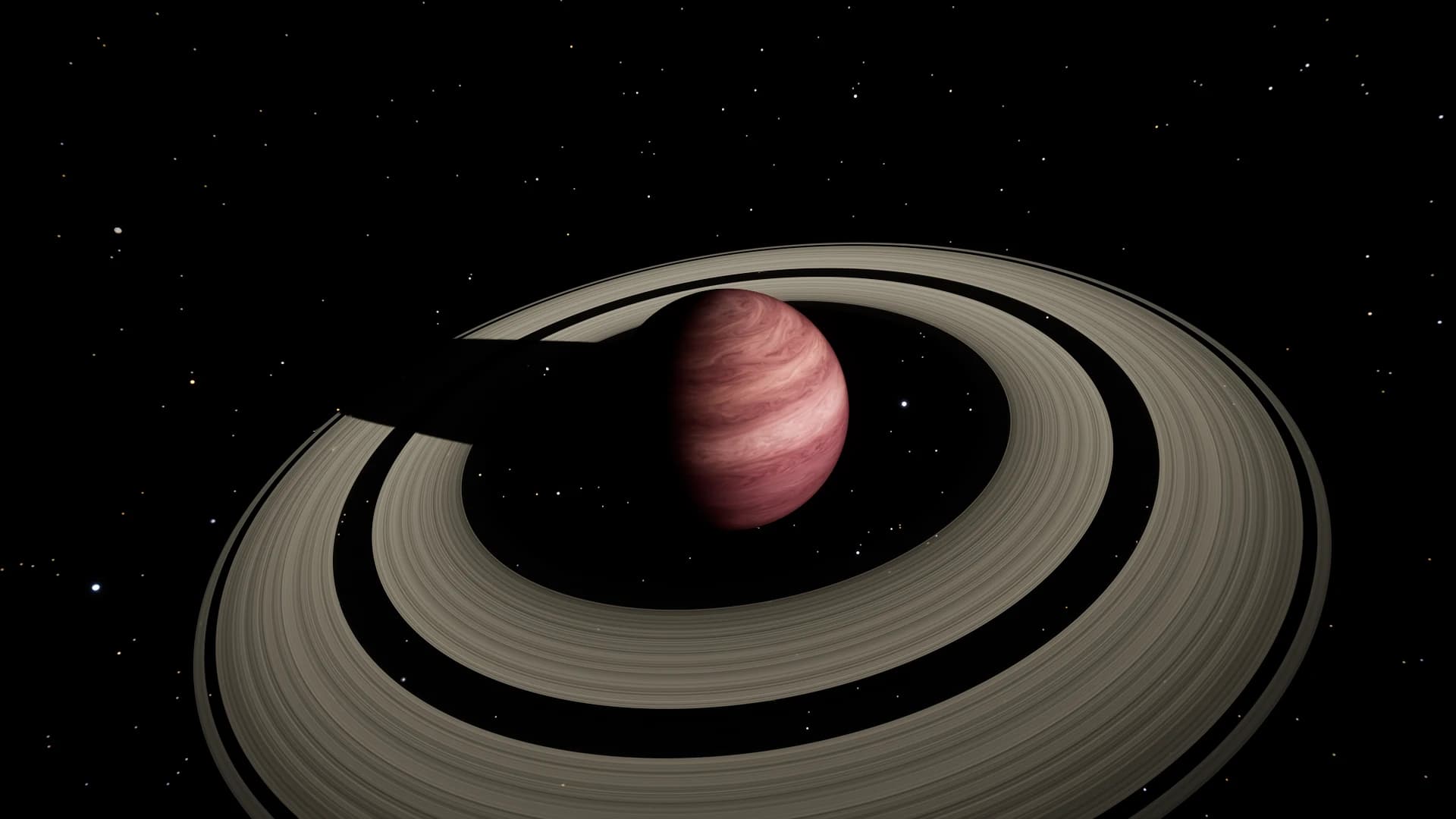 Gas giantsEvery kind of giant, drawn from its chemistry41 types across five families, each growing its own weather from a seed.
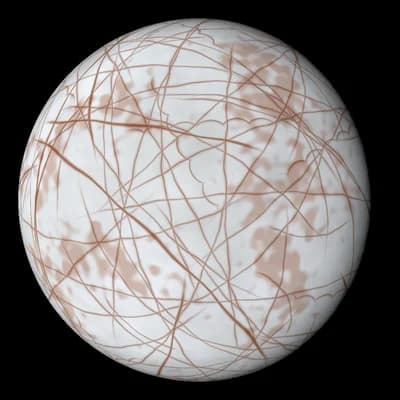 Barren and ice worldsEvery barren and icy world, grown from its typeAirless moons, iron worlds and ice super-Earths at their true radius, with the research behind each type and the numbers one planet is made of.
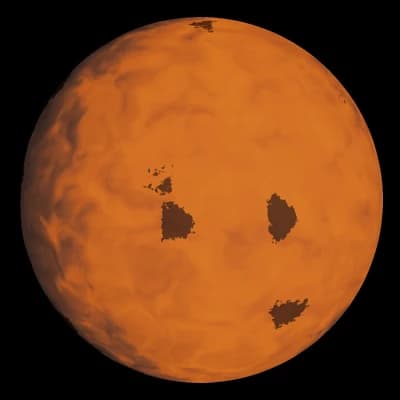 Lava worldsSeas of molten rock, each grown from its own heatEighteen types, from gold-white magma oceans to frozen plates, every planet's sea drawn from its heat, its crust and a seed of its own.
 Greenhouse worldsVenus's kind, from the cloud tops downDecks of acid, water or sulfur cloud drawn from each planet's own winds, tens of bar of air beneath, and ground hot enough to glow.
 Black holesThe physics, and an artist's visionLight solved through general relativity at every pixel, over the real star field behind the hole.
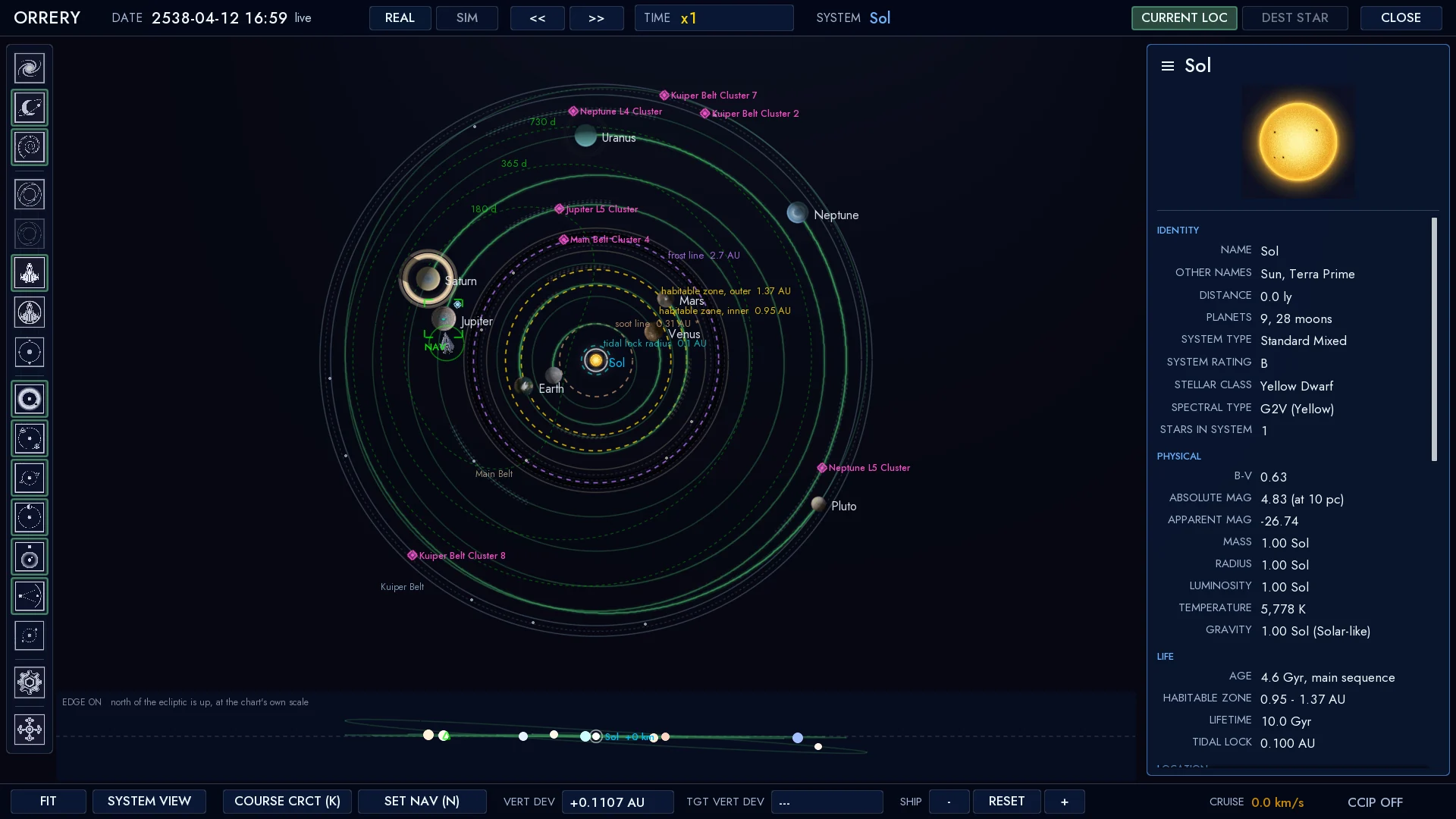 Solar systemsSolar system types and the orrery23 layouts taken from the exoplanet surveys, and an orrery that charts any system at any date.