Science // The galaxy
The Milky Way at true scale
Every star astronomers have measured stands where they measured it, with its corrections kept beside it. The rest of the Galaxy, the stars Earth has never catalogued, is generated around them from a published model of the Milky Way.
111 billion stars, the measured ones where astronomers put them
The Milky Way in the game holds its full count of stars. Every star astronomers have measured is a catalogue row with its corrections kept beside it, and the simulation generates the rest around them from a published model of our galaxy.
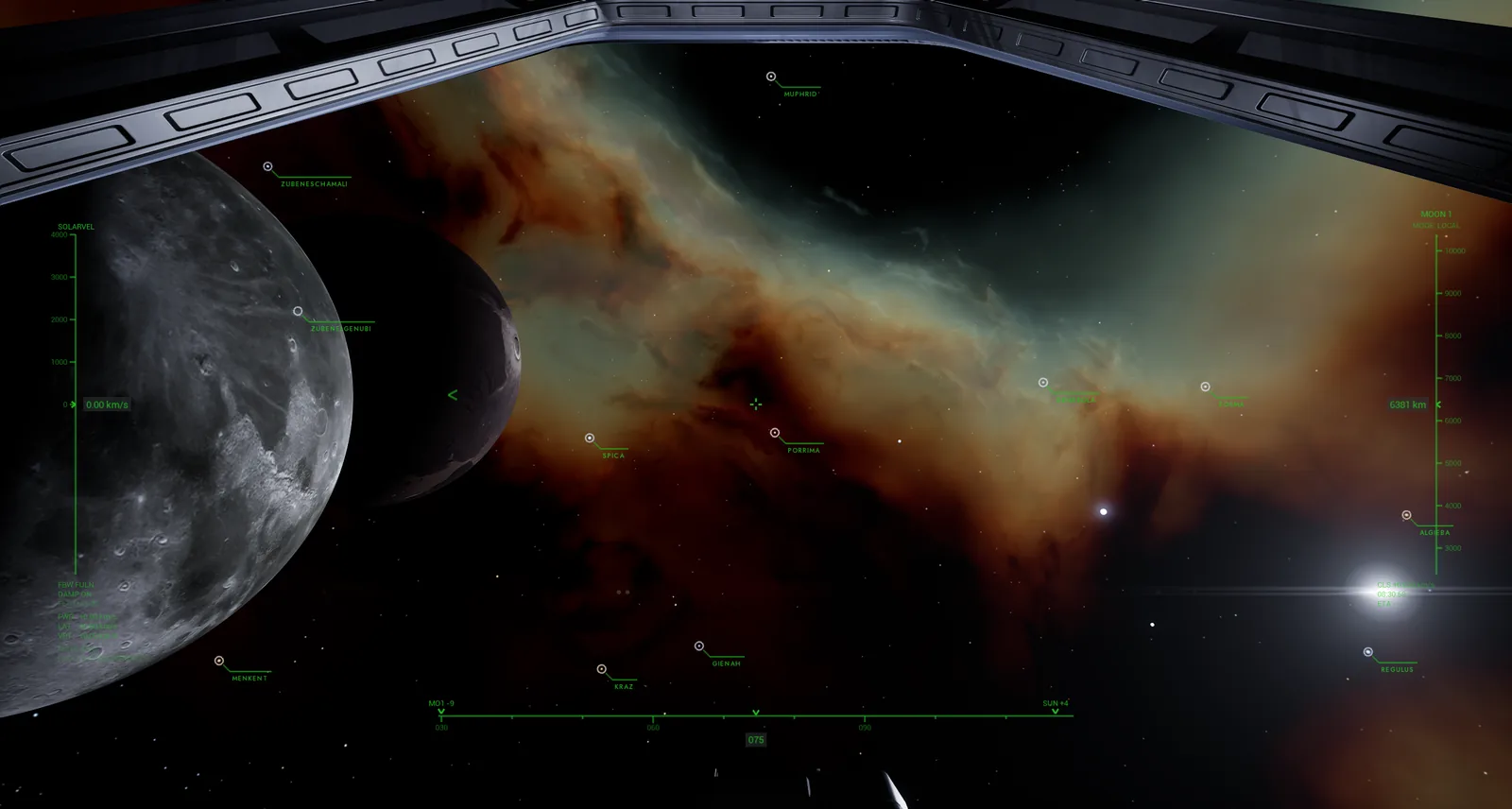
The catalogue began as the public HYG database and now holds 119,626 stars in 77 columns. Corrections from XHIP, Gaia DR3, Hipparcos and the Washington Double Star Catalog sit in their own columns beside the originals: a corrected spectral type on 75,529 rows and a Gaia DR3 distance on 81.9 percent. Betelgeuse is 764 solar radii after Joyce 2020, Antares 680 after Ohnaka 2013. The map adds 4,881 known compact objects, 4,393 of them pulsars from the ATNF catalogue, and 7,304 real star clusters.
Around them is the whole Milky Way: 111 billion stars from a published model of our galaxy, with a bar and bulge at 28 degrees after Sormani 2022, spiral arms after Reid 2019, the warp after Chen 2019 and dust after Drimmel and Spergel 2001. Each region draws its true count, subtracts the catalogue stars already there, and generates the rest as the stars Earth has not catalogued. The model runs in C++ in the engine and agrees with the reference simulation to one part in a billion. Pick any generated star and its planetary system is built on the spot.
- Catalogue stars
- 119,626
- 77 columns, every correction keptCatalogue
- Naked-eye sky
- 5,070
- magnitude 6.0 or brighterCatalogue
- Compact objects
- 4,881
- pulsars, black holes, neutron starsCatalogue
- Milky Way model
- 1.11 × 10¹¹
- stars in the gameSim
The rest of the science
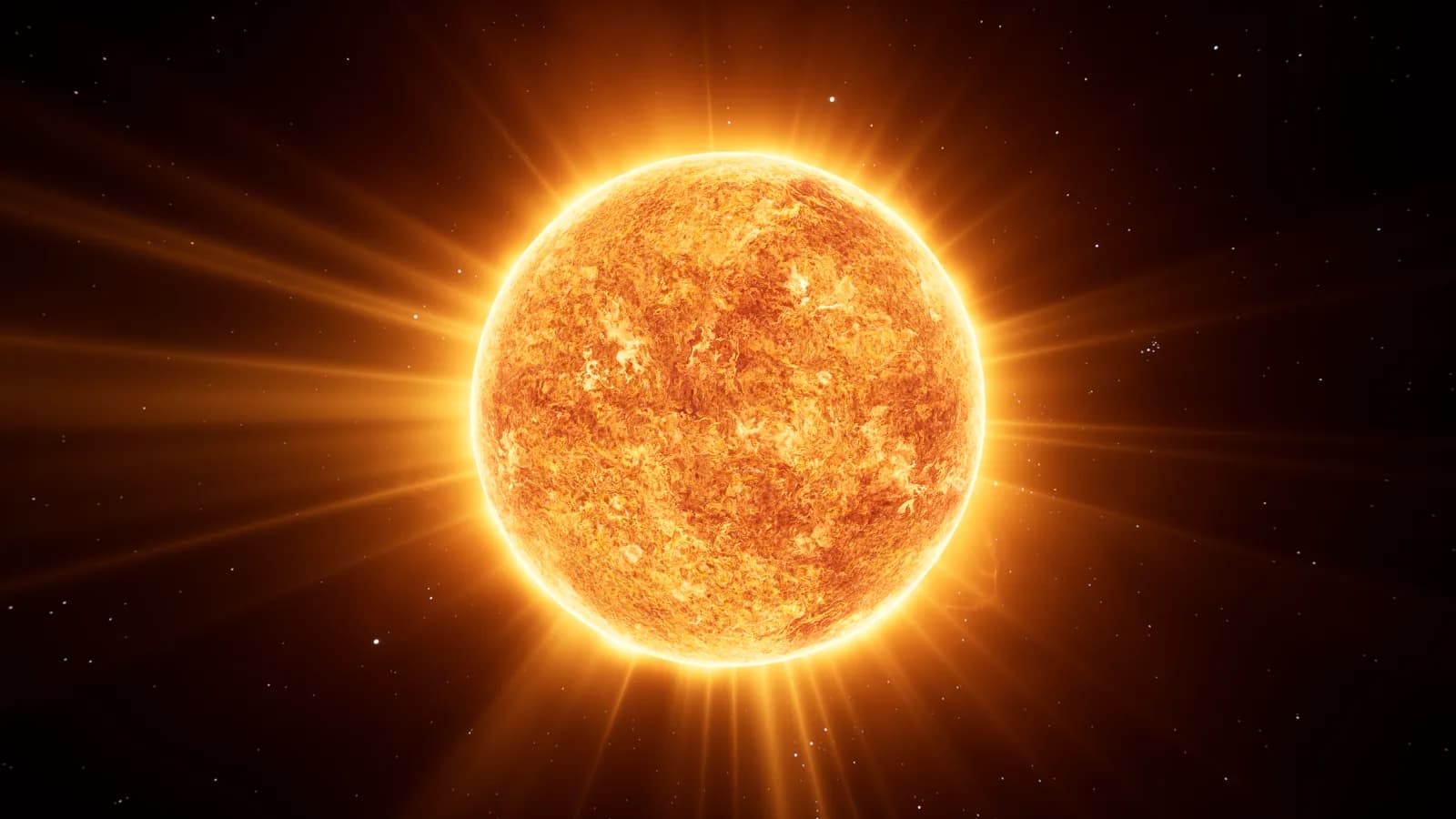 StarsA star is the colour of its temperaturePlanck's law through the human eye, so the Sun is white. Pick Scientific, Game or Vivid in the options.
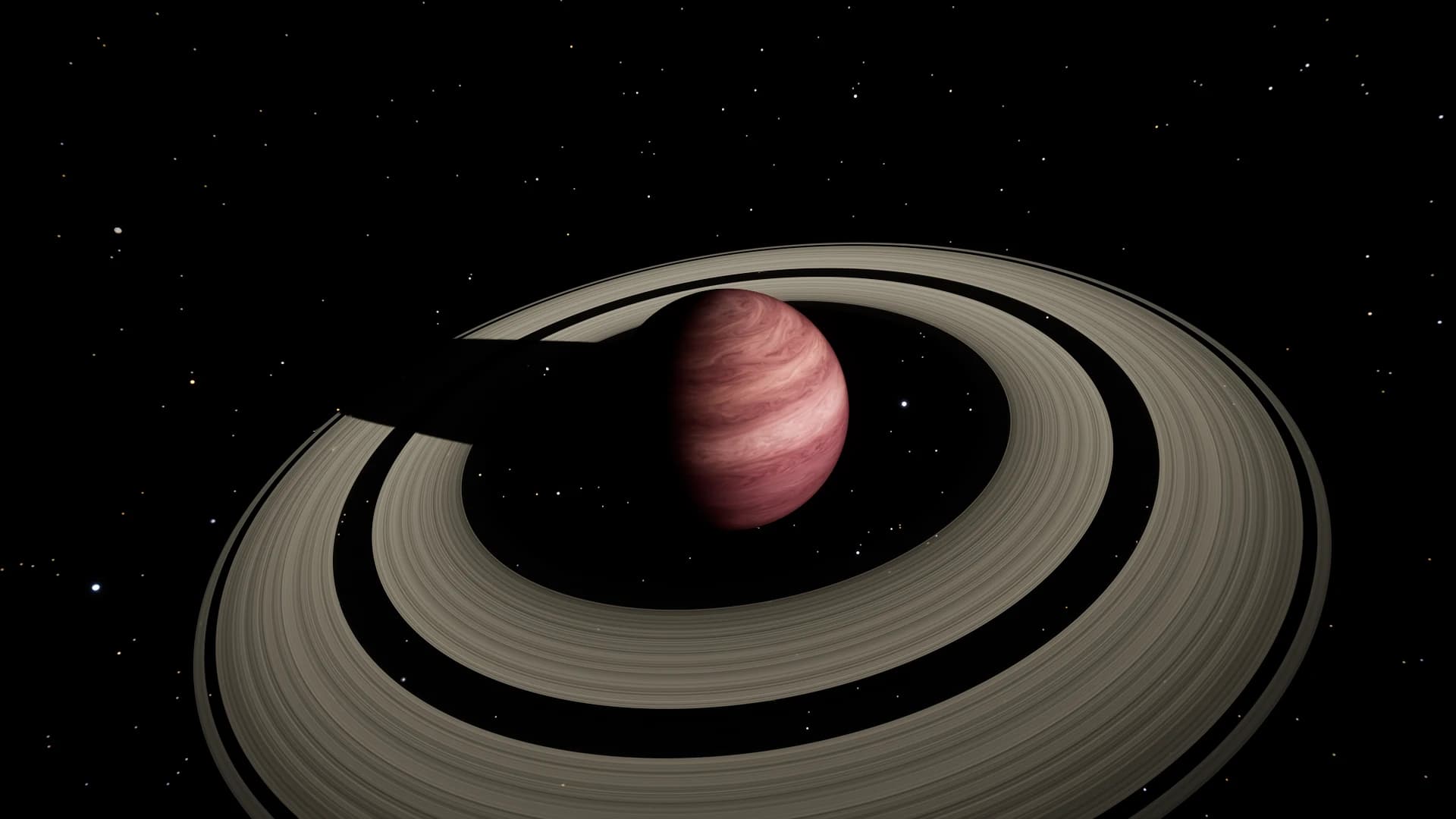 Gas giantsEvery kind of giant, drawn from its chemistry41 types across five families, each growing its own weather from a seed.
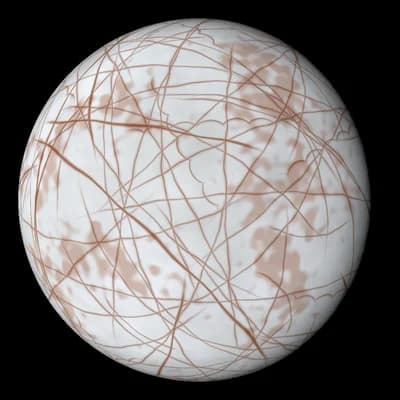 Barren and ice worldsEvery barren and icy world, grown from its typeAirless moons, iron worlds and ice super-Earths at their true radius, with the research behind each type and the numbers one planet is made of.
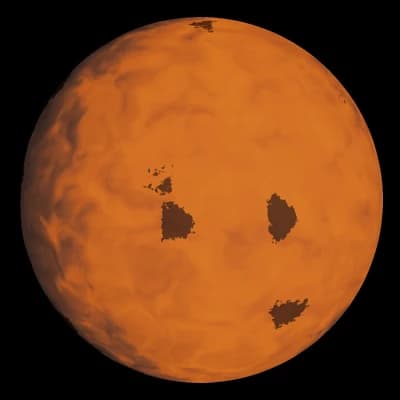 Lava worldsSeas of molten rock, each grown from its own heatEighteen types, from gold-white magma oceans to frozen plates, every planet's sea drawn from its heat, its crust and a seed of its own.
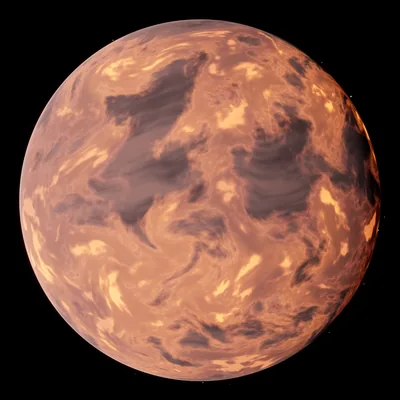 Greenhouse worldsVenus's kind, from the cloud tops downDecks of acid, water or sulfur cloud drawn from each planet's own winds, tens of bar of air beneath, and ground hot enough to glow.
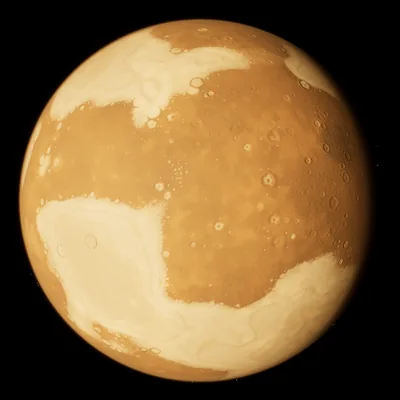 Arid worldsMars and its kind, from orbit to the dustRust plains, cratered highlands, basalt shields, evaporated oceans and clouded deserts, every planet's caps sized by its own temperature, and Mars from its own layout.
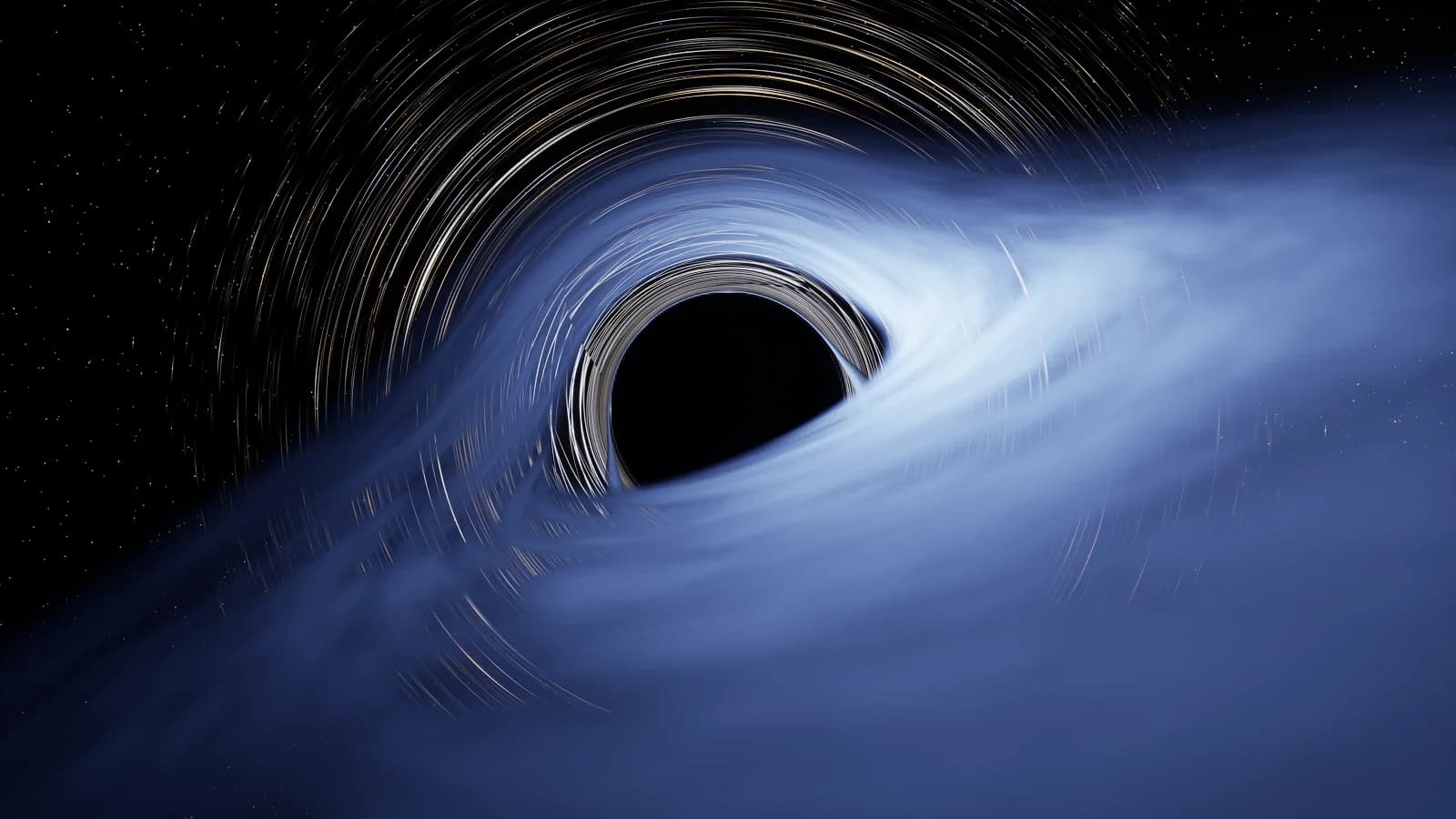 Black holesThe physics, and an artist's visionLight solved through general relativity at every pixel, over the real star field behind the hole.
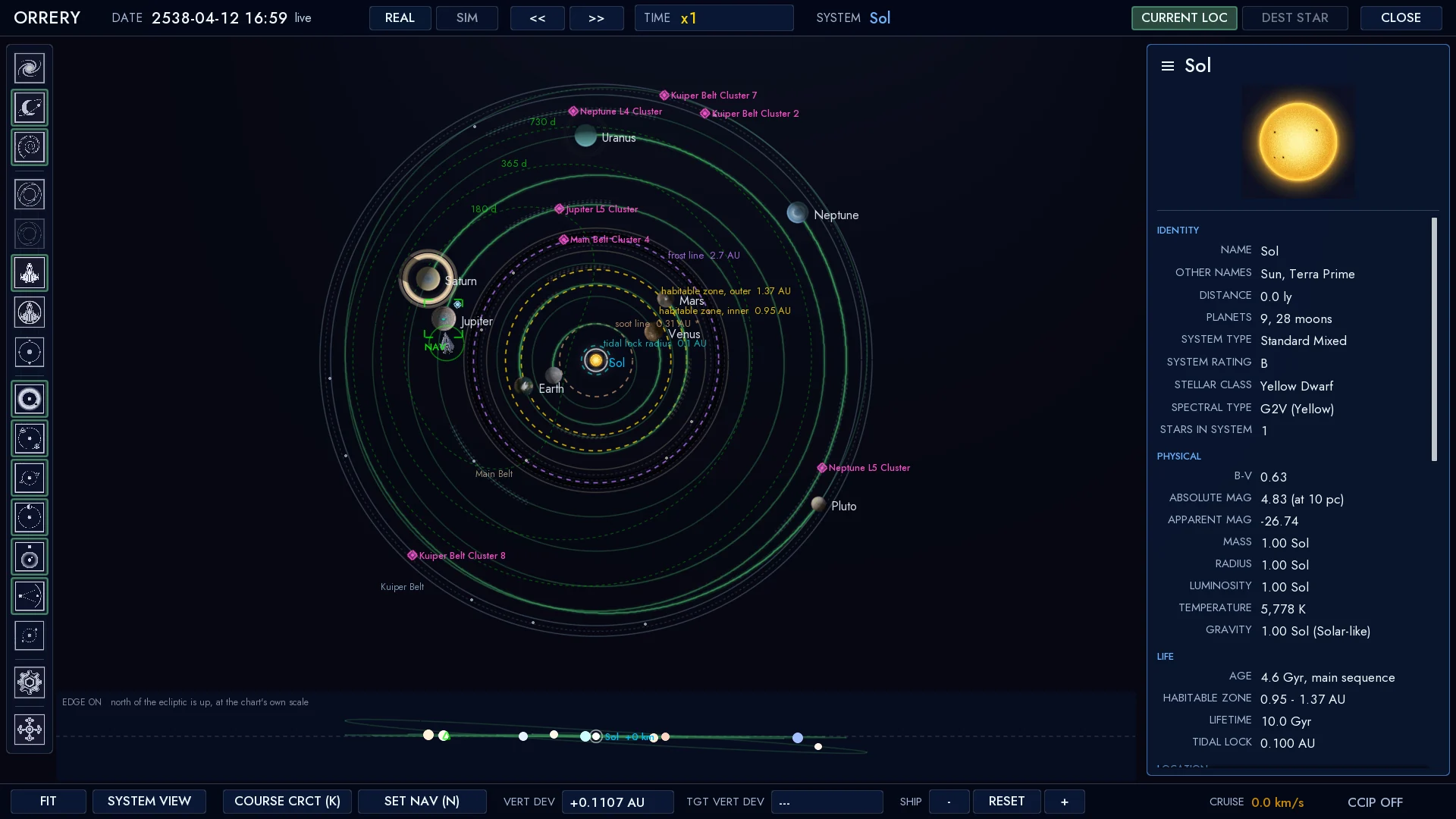 Solar systemsSolar system types and the orrery23 layouts taken from the exoplanet surveys, and an orrery that charts any system at any date.