Science // Black holes
Black holes, drawn by their physics
Four real black holes you can fly to, each built on its physics: the shadow, the photon ring, the glowing disk and the stars bent behind them all come out of general relativity.
The physics, and an artist's vision
A black hole in Pax Abyssi is drawn by solving how light travels past it, pixel by pixel, over the real star field seen from where the hole really is. Fly to Cygnus X-1 and the stars behind it are the stars that are there.
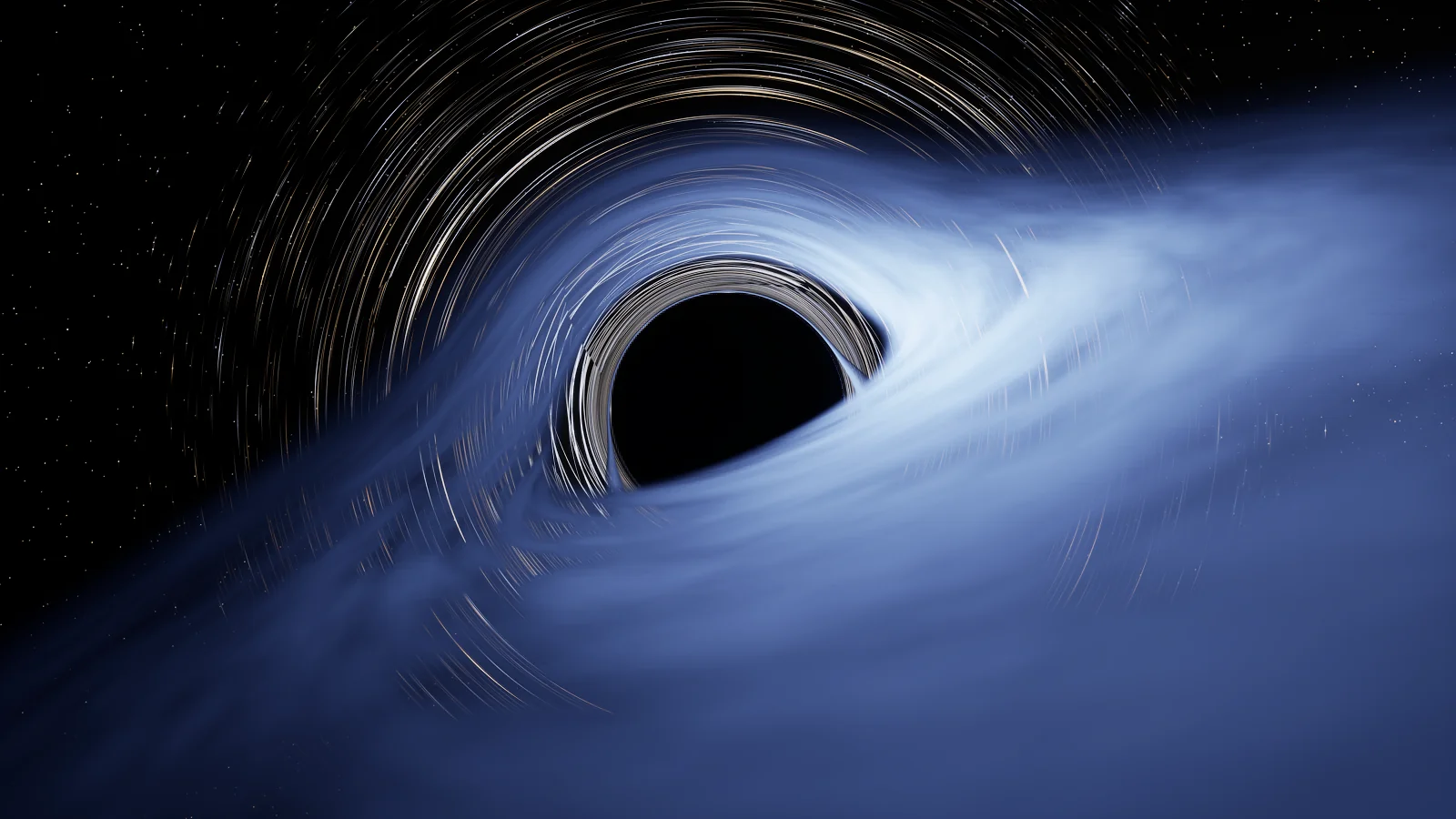
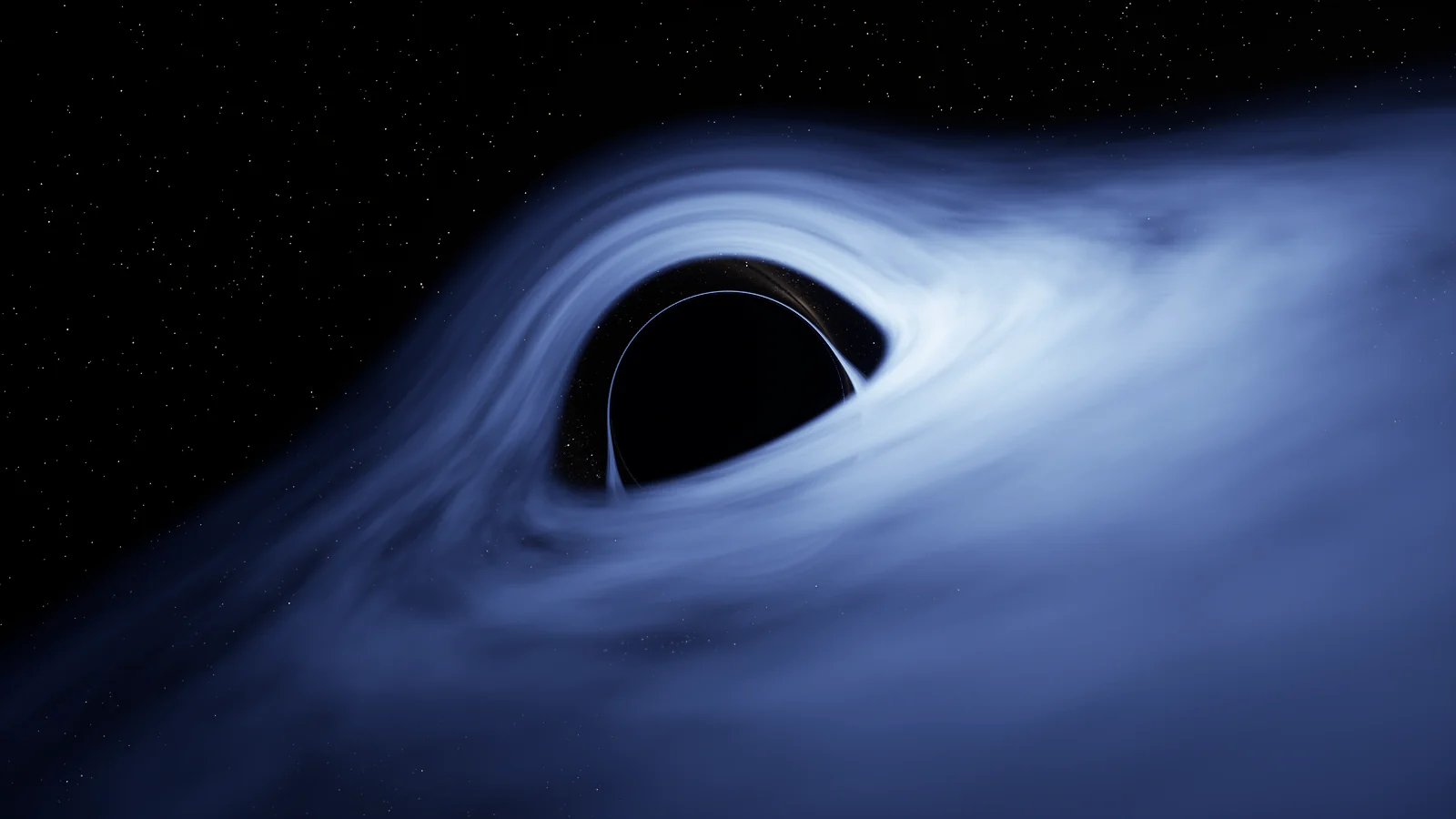
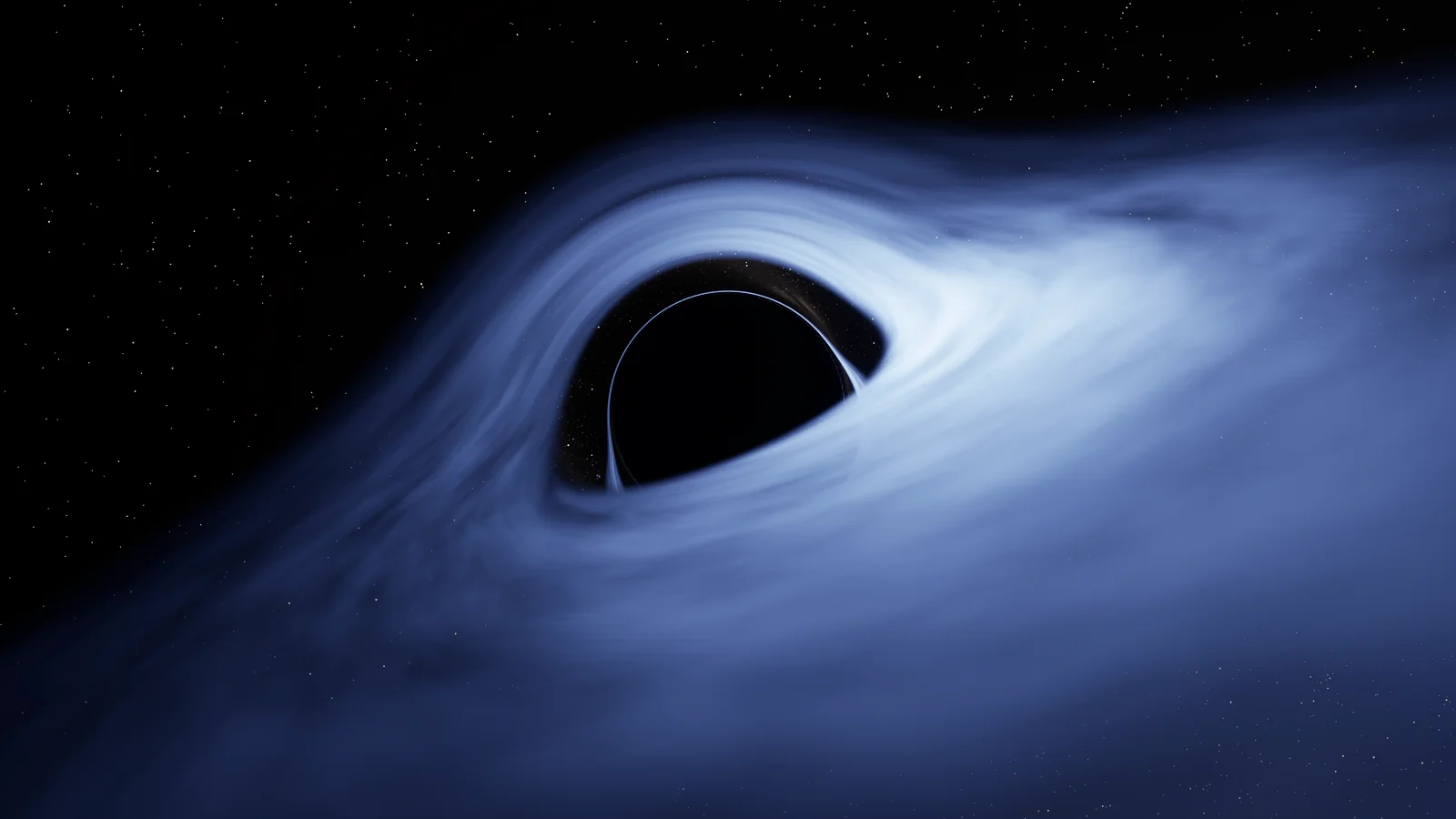
Black holes in Pax Abyssi have two faces. By default the game draws an artist's vision, a stronger lens that pulls the sky into the arcs people expect. Step back to the scientific setting and every pixel shows the bending general relativity gives. That is our rule everywhere: full scientific realism is always there as an option.
The shadow edge sits at 2.598 Schwarzschild radii, after Bruneton's 2020 beam tracing. When the hole spins, the closed-form Kerr ray of Gralla and Lupsasca (2020) is solved per pixel and lands within 0.013 pixels of an offline reference at the 99th percentile. The disc is a thin Shakura-Sunyaev disc whose received light is a black body at the shifted temperature, so its colour and its fourth-power brightening come from one formula, and the first two photon subrings are drawn.
| Object | Mass (M☉) | Source |
|---|---|---|
| Cygnus X-1 | 17.5 | Ramachandran et al. 2025 |
| V404 Cygni | 9.0 | Walton et al. 2017 |
| Gaia BH1 | 9.62 | El-Badry et al. 2023 |
| Sagittarius A* | 4,297,000 | GRAVITY 2022 |
| Seven neutron stars | 1.27 to 2.35 | The Crab, Vela, Geminga and four more |
Neutron stars
The same light-bending pass draws the neutron stars. They default to a 12 kilometre radius after Rutherford et al. 2024 and cool along a curve fitted to the observed stars after Potekhin 2020. Gravity bends their own light so far that a 1.4 solar mass star shows about 76 percent of its surface at once (Beloborodov 2002). The Crab turns every 33.39 milliseconds under a field of 3.79 × 10¹² gauss; SGR 1806-20 carries 1.96 × 10¹⁵.
The rest of the science
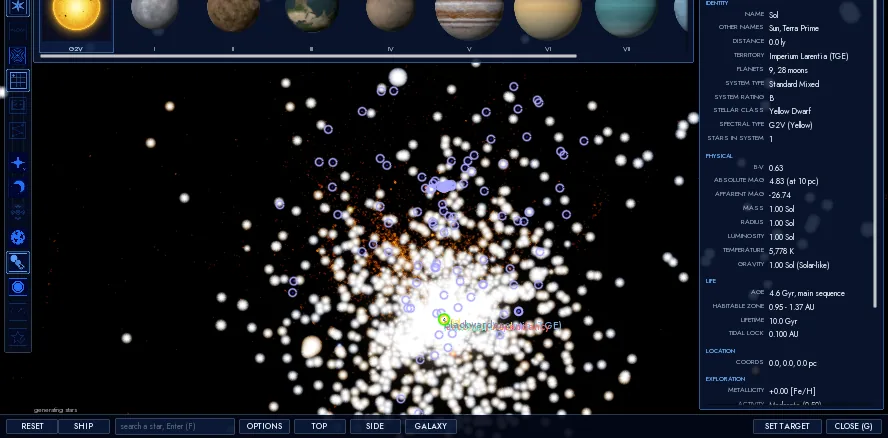 The galaxy111 billion stars, the measured ones where astronomers put themThe whole Milky Way at true scale: every catalogued star in its measured place, and the rest generated from a published model of our galaxy.
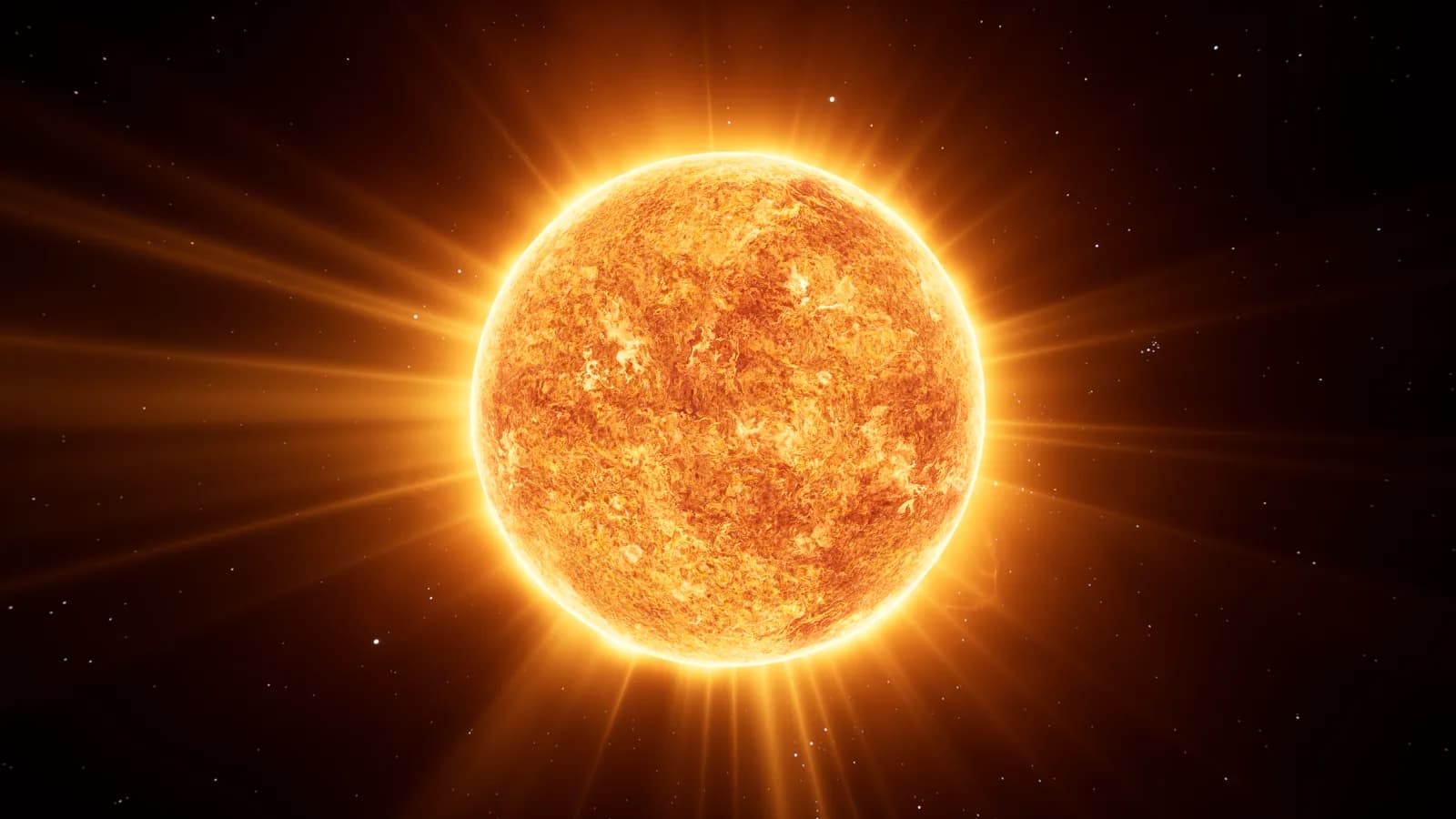 StarsA star is the colour of its temperaturePlanck's law through the human eye, so the Sun is white. Pick Scientific, Game or Vivid in the options.
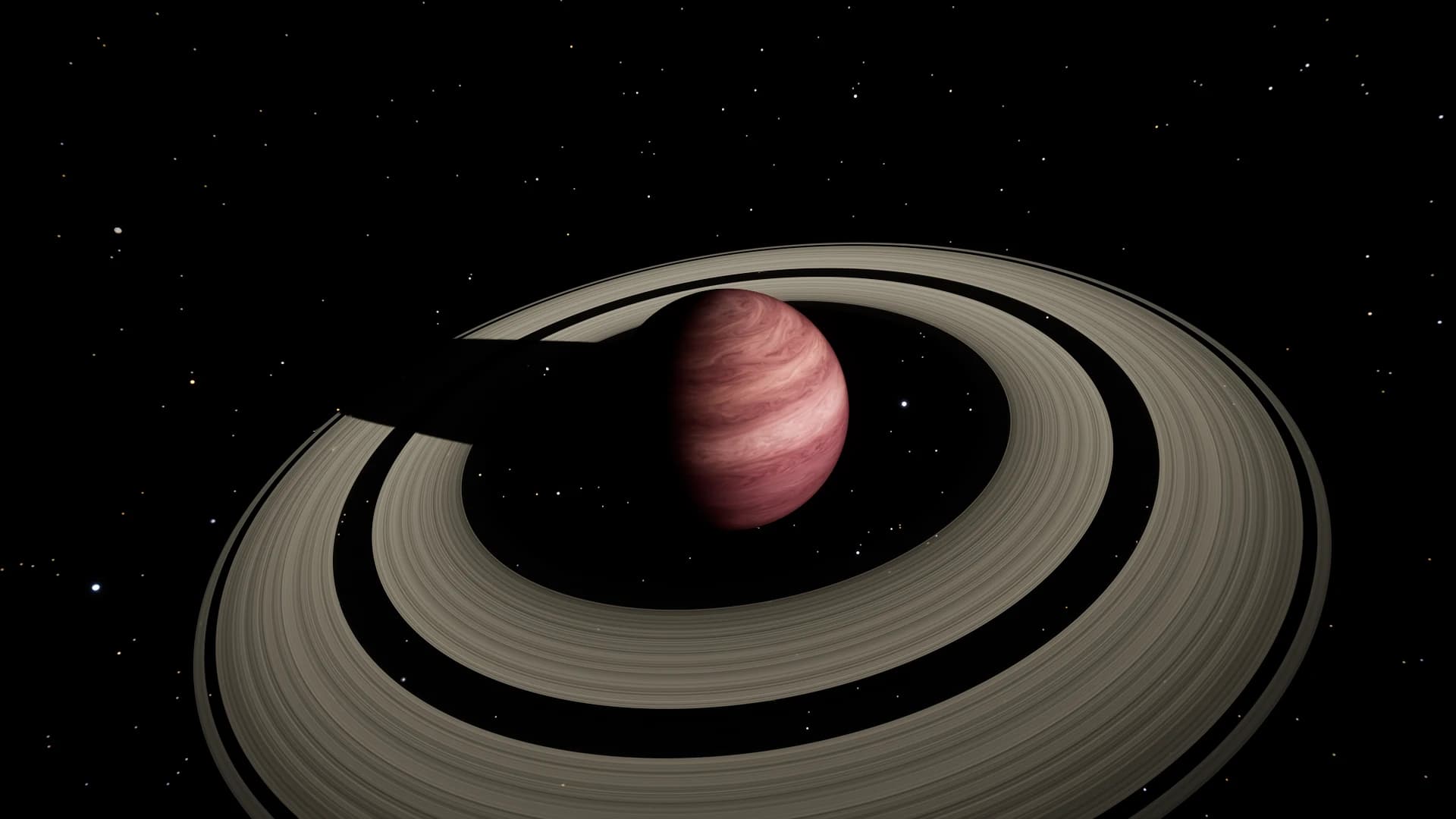 Gas giantsEvery kind of giant, drawn from its chemistry41 types across five families, each growing its own weather from a seed.
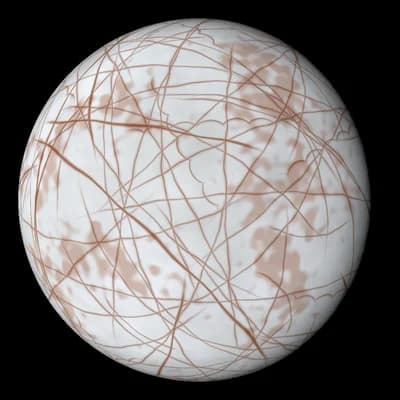 Barren and ice worldsEvery barren and icy world, grown from its typeAirless moons, iron worlds and ice super-Earths at their true radius, with the research behind each type and the numbers one planet is made of.
 Lava worldsSeas of molten rock, each grown from its own heatEighteen types, from gold-white magma oceans to frozen plates, every planet's sea drawn from its heat, its crust and a seed of its own.
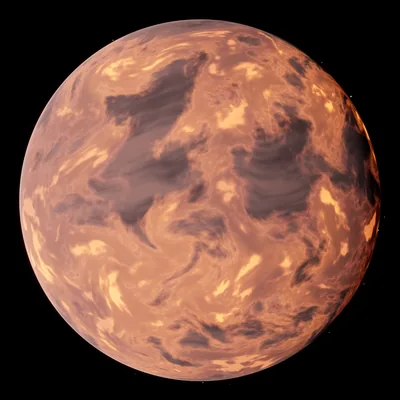 Greenhouse worldsVenus's kind, from the cloud tops downDecks of acid, water or sulfur cloud drawn from each planet's own winds, tens of bar of air beneath, and ground hot enough to glow.
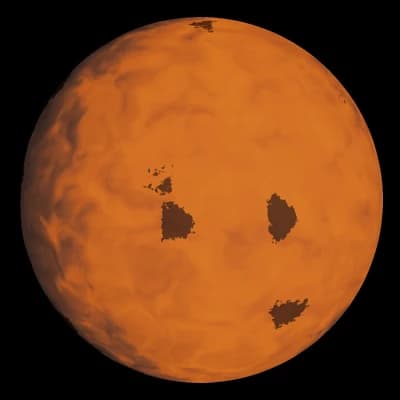
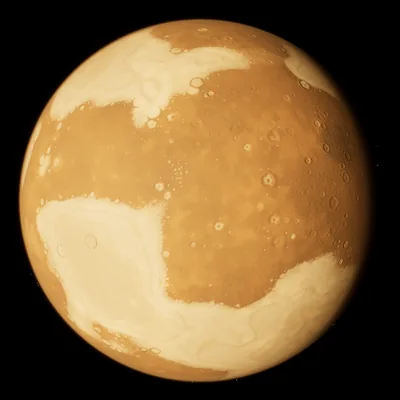 Arid worldsMars and its kind, from orbit to the dustRust plains, cratered highlands, basalt shields, evaporated oceans and clouded deserts, every planet's caps sized by its own temperature, and Mars from its own layout.
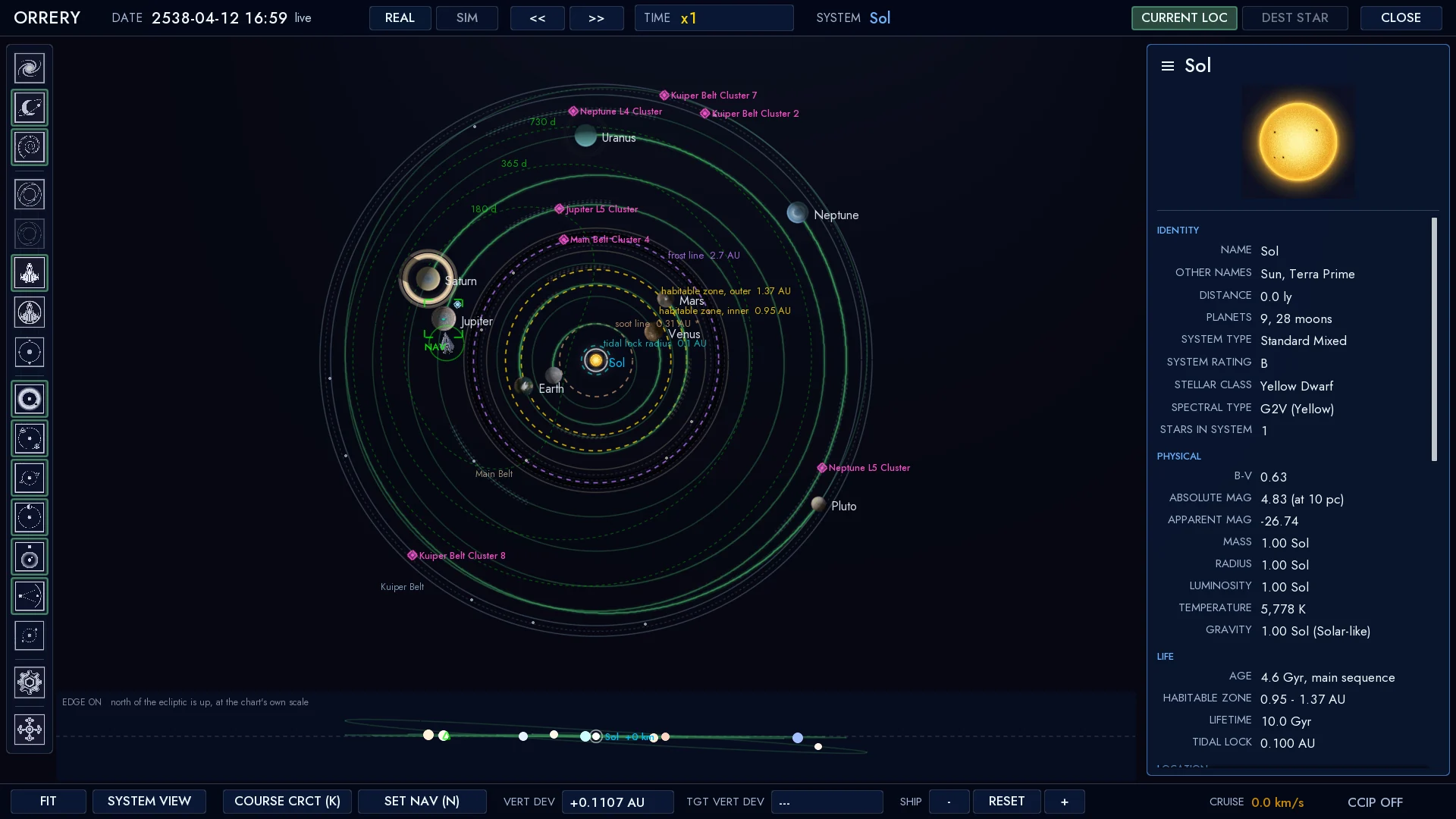 Solar systemsSolar system types and the orrery23 layouts taken from the exoplanet surveys, and an orrery that charts any system at any date.