Science // Stars
The colours of the stars
A star glows close to a black body, so its temperature sets its colour. Pax Abyssi computes that colour from Planck's law and the human eye, and lets the player choose how it is painted.
A star is the colour of its temperature
Every star in the sky carries a temperature from its catalogue row, and its colour comes from that number. Up close, the default is the physics; the colours from space art are one setting away.
A star glows close to a black body, so its temperature decides its colour. We take each star's B-V colour index from the catalogue, turn it into a temperature, and run that temperature through Planck's law and the CIE 1931 model of the human eye. That is the Scientific palette, and it is the default: a red dwarf is peach, the Sun is white, a B star is pale blue.
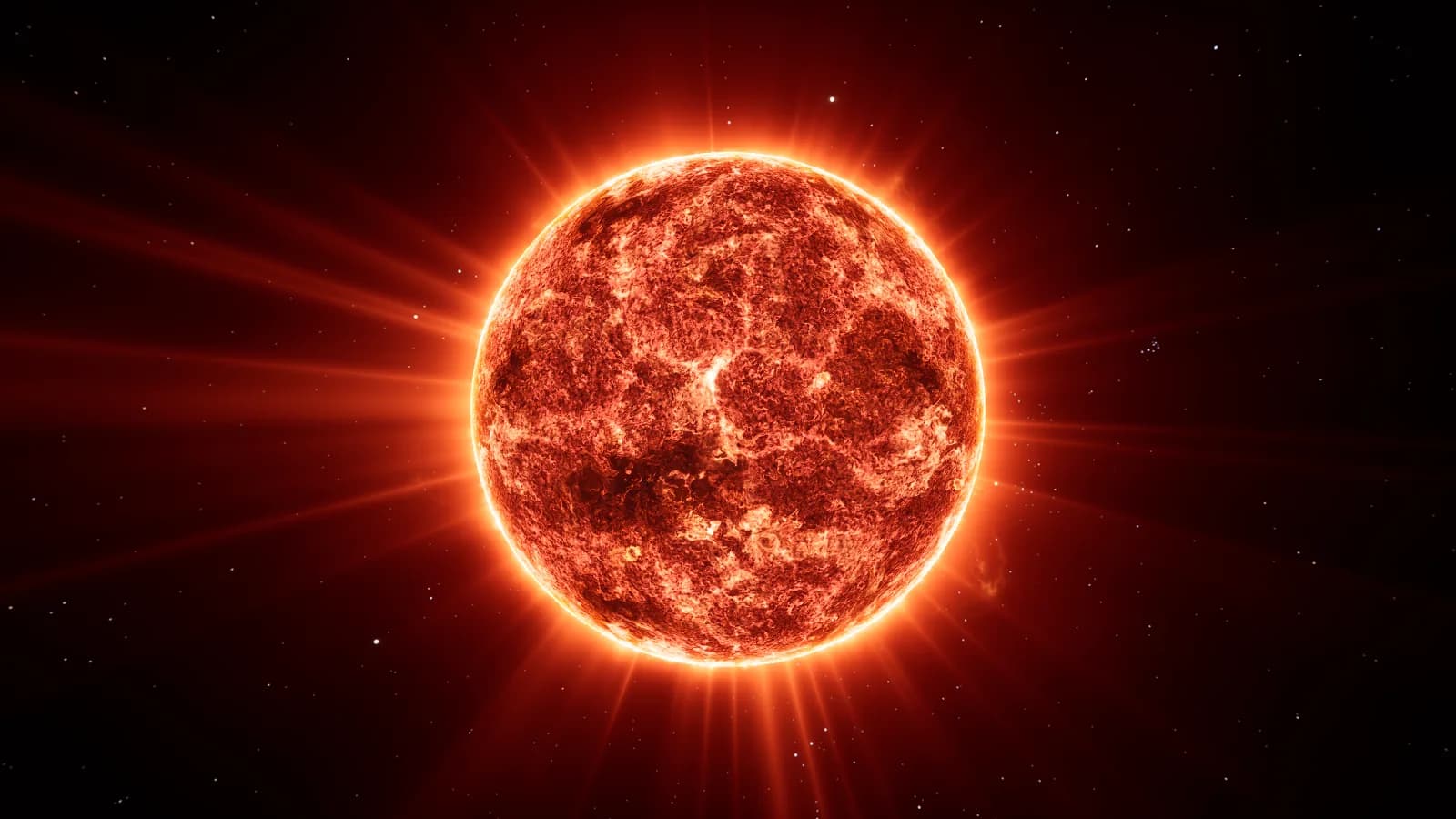
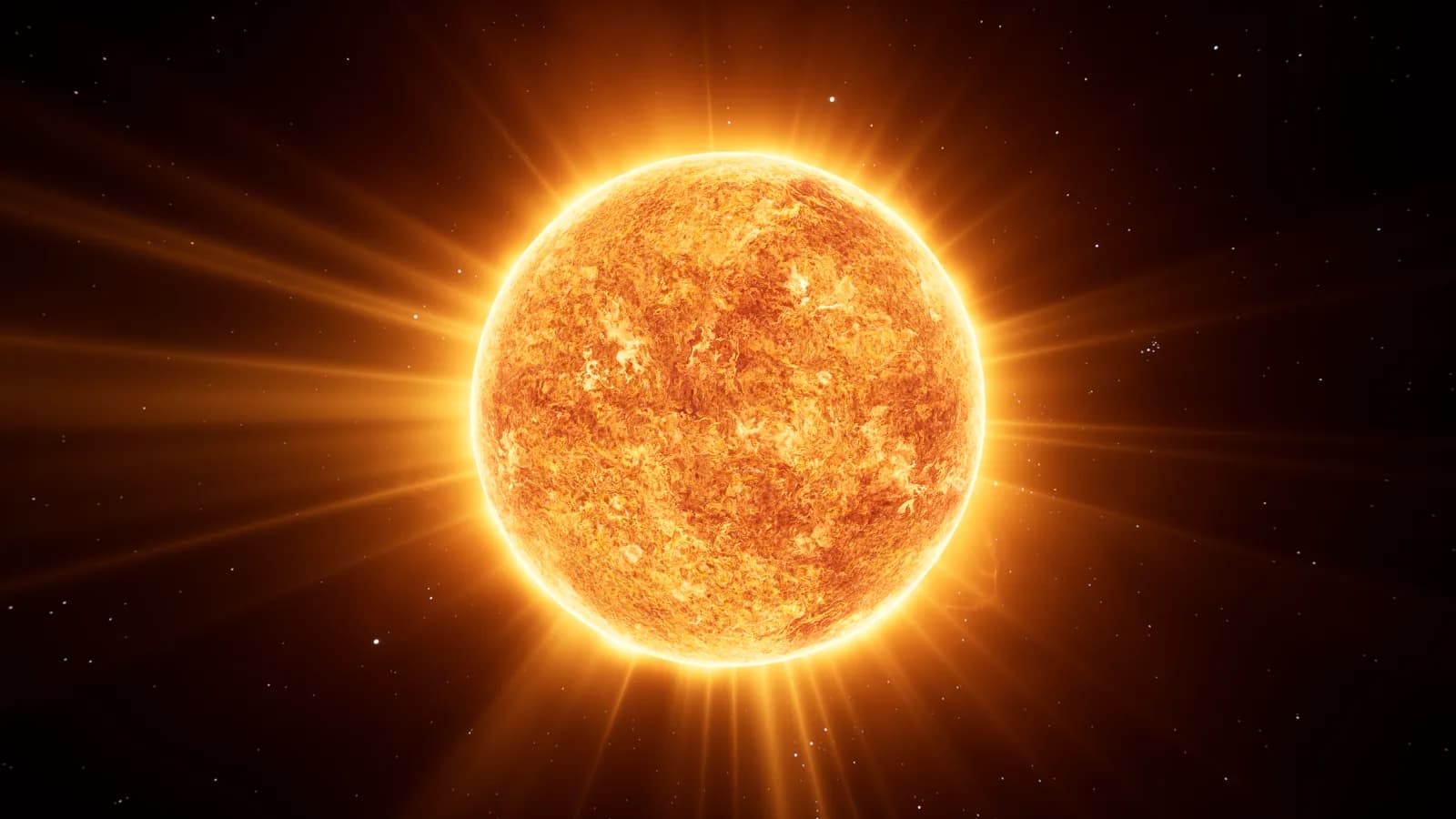
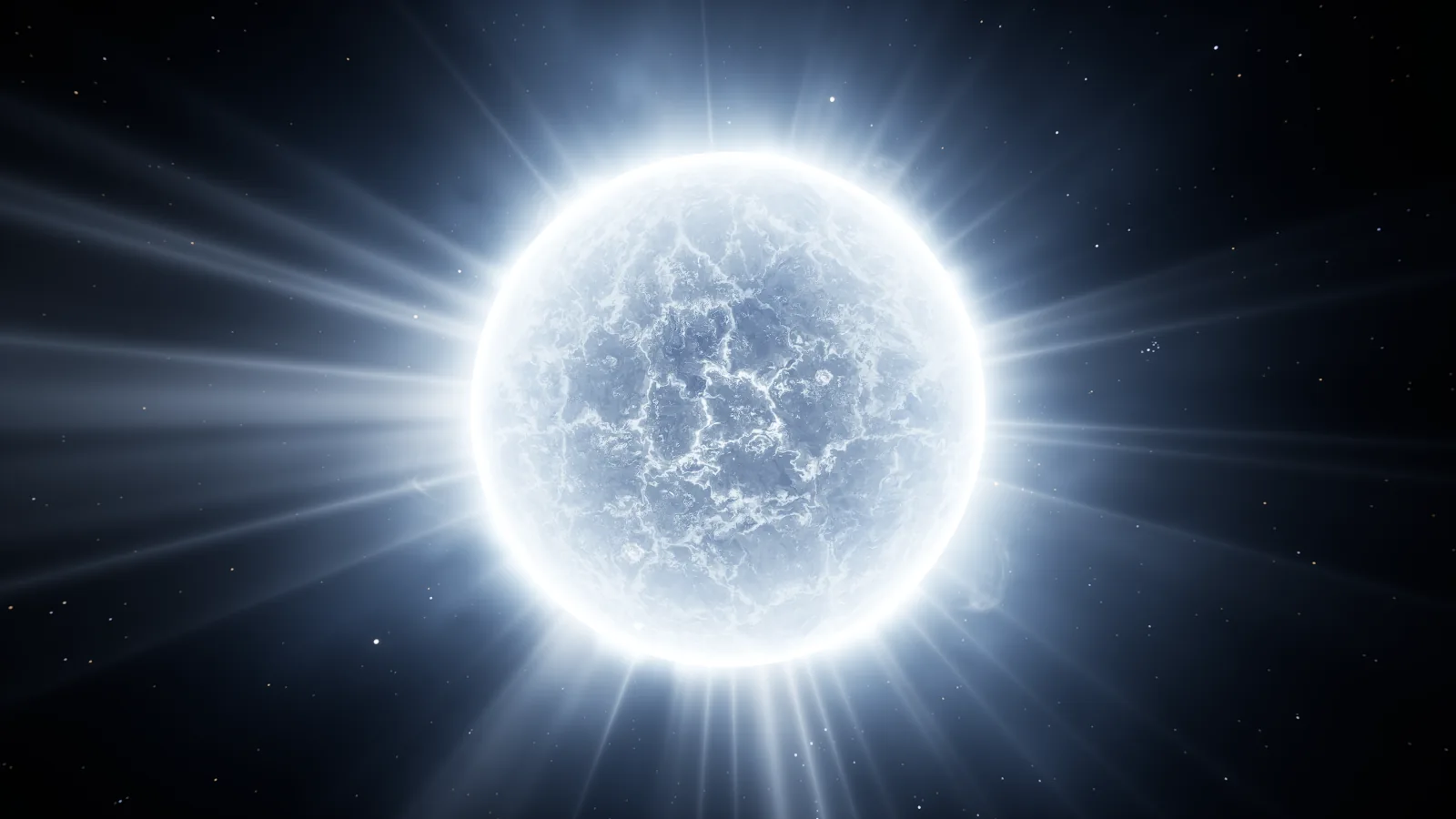
The true colours are gentler than most pictures of space suggest, so the palette is a choice. Under Esc, Options, Space, Sun, a player can pick Scientific, Game or Vivid. Game is the warm palette people know from space art, the one in the four frames here; Vivid pushes it further. The science stays the same underneath: the temperatures, the spectral classes and the brightness all come from the catalogue.
In the night sky, each star wears its true colour lifted a little, so the difference between a red giant and a blue one reads at a glance. Try any temperature in the explorer below and see all three palettes.
- 3,200 K · M
- 5,772 K · G
- 9,500 K · A
- 15,000 K · B
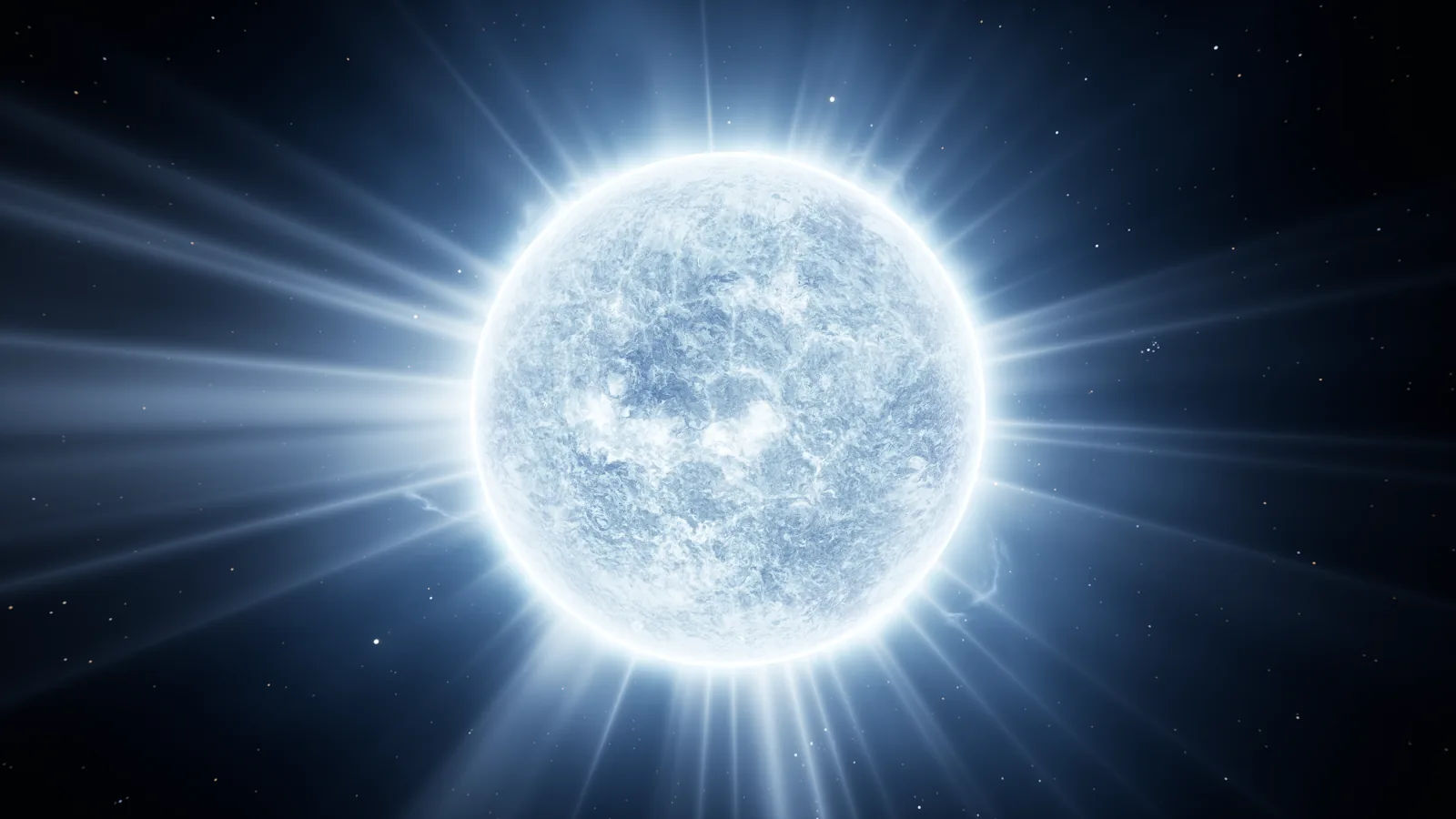
In Pax Abyssi: one star at four temperatures, from three stellar radii, drawn in the Game palette. The same four stars in the Scientific palette run from peach to white to pale blue, as in the explorer below.
Render from the game's look development stage, pre-alpha
The rest of the science
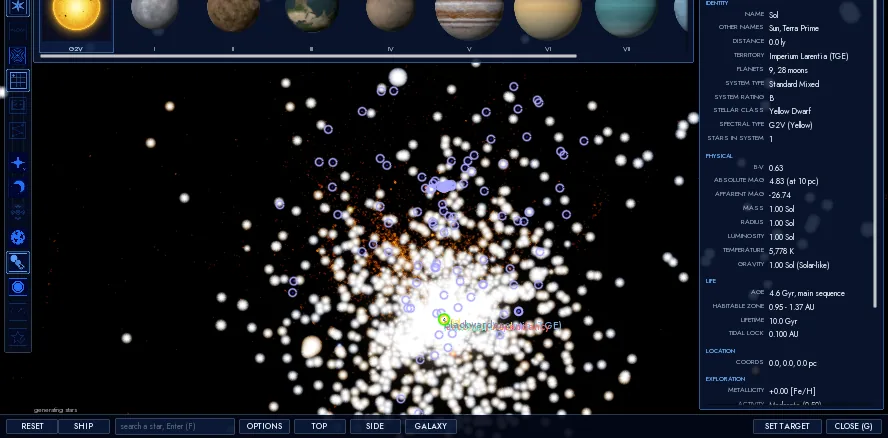 The galaxy111 billion stars, the measured ones where astronomers put themThe whole Milky Way at true scale: every catalogued star in its measured place, and the rest generated from a published model of our galaxy.
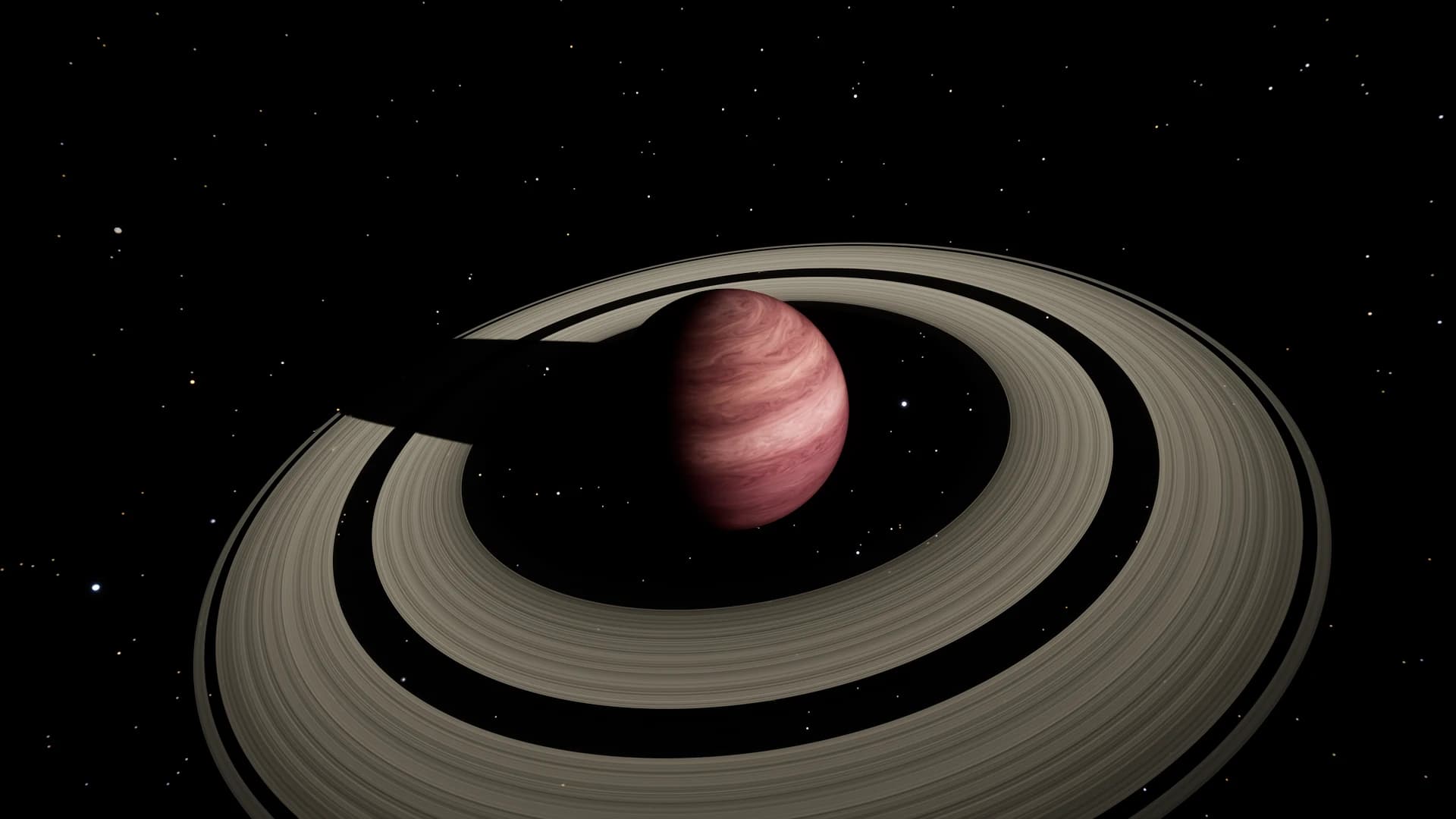 Gas giantsEvery kind of giant, drawn from its chemistry41 types across five families, each growing its own weather from a seed.
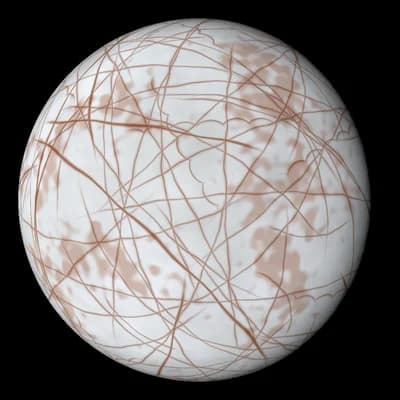 Barren and ice worldsEvery barren and icy world, grown from its typeAirless moons, iron worlds and ice super-Earths at their true radius, with the research behind each type and the numbers one planet is made of.
 Lava worldsSeas of molten rock, each grown from its own heatEighteen types, from gold-white magma oceans to frozen plates, every planet's sea drawn from its heat, its crust and a seed of its own.
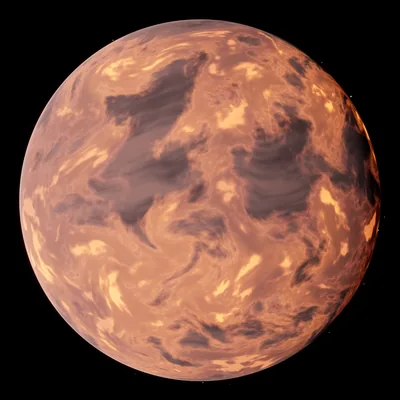 Greenhouse worldsVenus's kind, from the cloud tops downDecks of acid, water or sulfur cloud drawn from each planet's own winds, tens of bar of air beneath, and ground hot enough to glow.
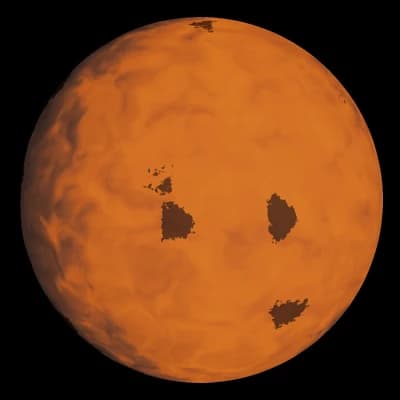
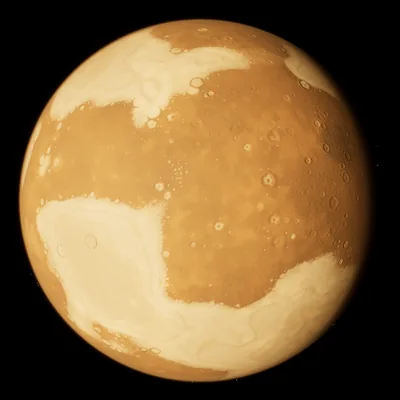 Arid worldsMars and its kind, from orbit to the dustRust plains, cratered highlands, basalt shields, evaporated oceans and clouded deserts, every planet's caps sized by its own temperature, and Mars from its own layout.
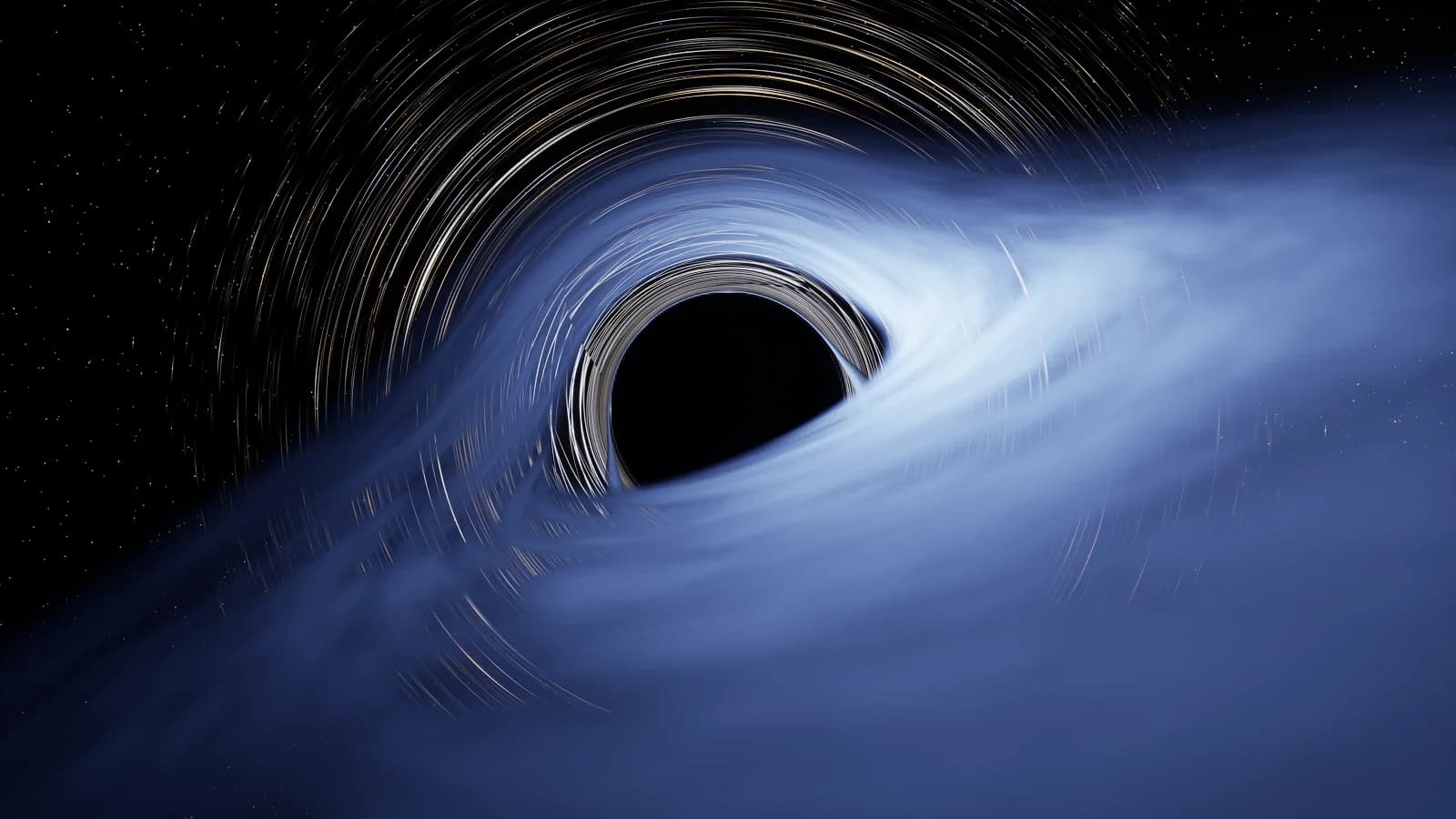 Black holesThe physics, and an artist's visionLight solved through general relativity at every pixel, over the real star field behind the hole.
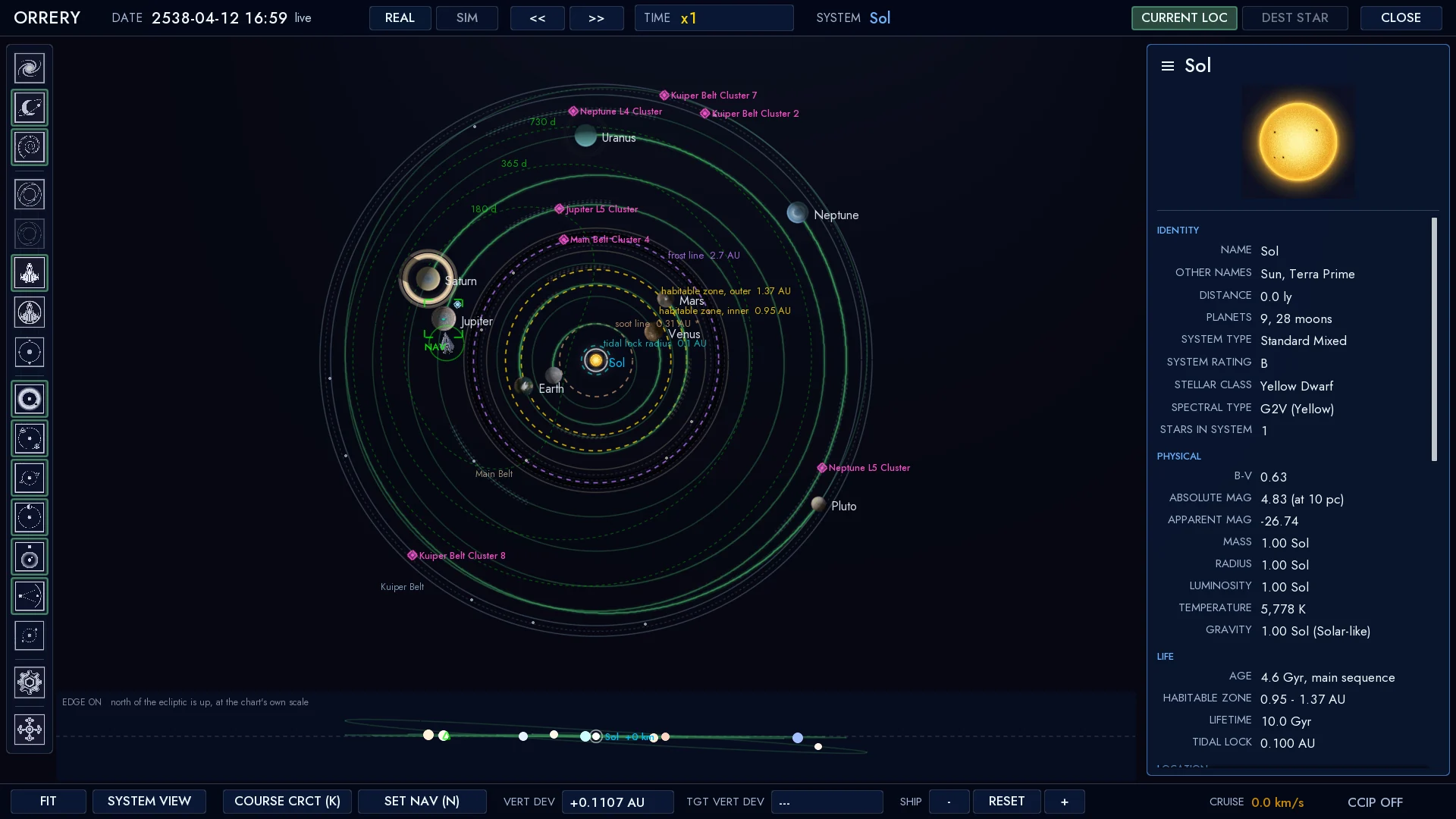 Solar systemsSolar system types and the orrery23 layouts taken from the exoplanet surveys, and an orrery that charts any system at any date.