Barren and ice worlds, grown from their type
Pax Abyssi's airless and icy moons and planets are procedural. Our planet generator grows each one from its type in the simulation and a seed taken from the body itself, so no two moons of a type are the same place, and you can fly down to any of them and walk to the horizon.
In Pax Abyssi: eight of the 66 barren and ice types, each a render from our planet generator.
Moons and ice worlds as you see them from the seat
Frames from the game, the HUD off. Every moon is on its true orbit round its parent, lit by the system's own star, so a giant hangs behind its moons where the orbits put it. Select a frame to see it full size.
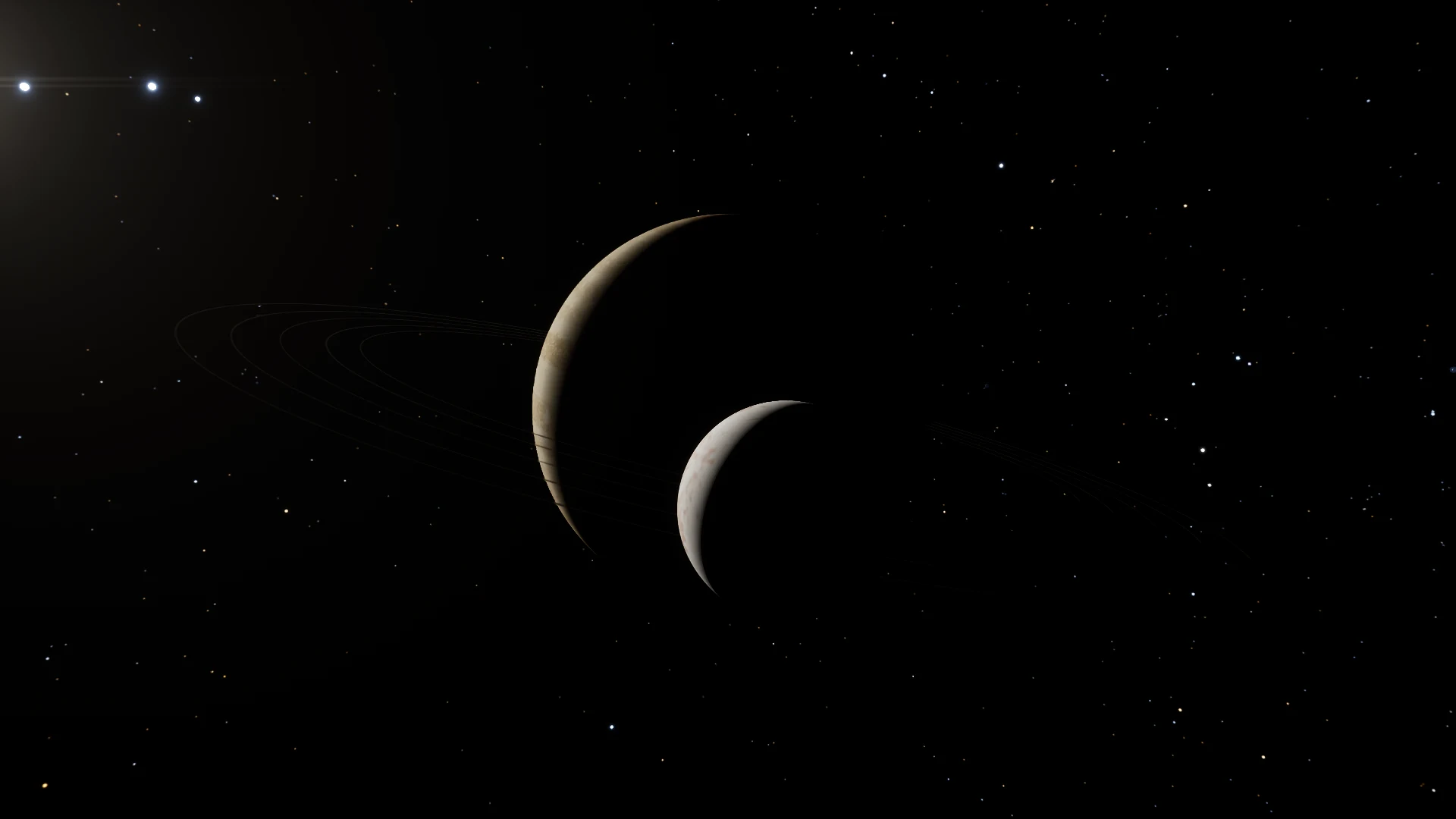
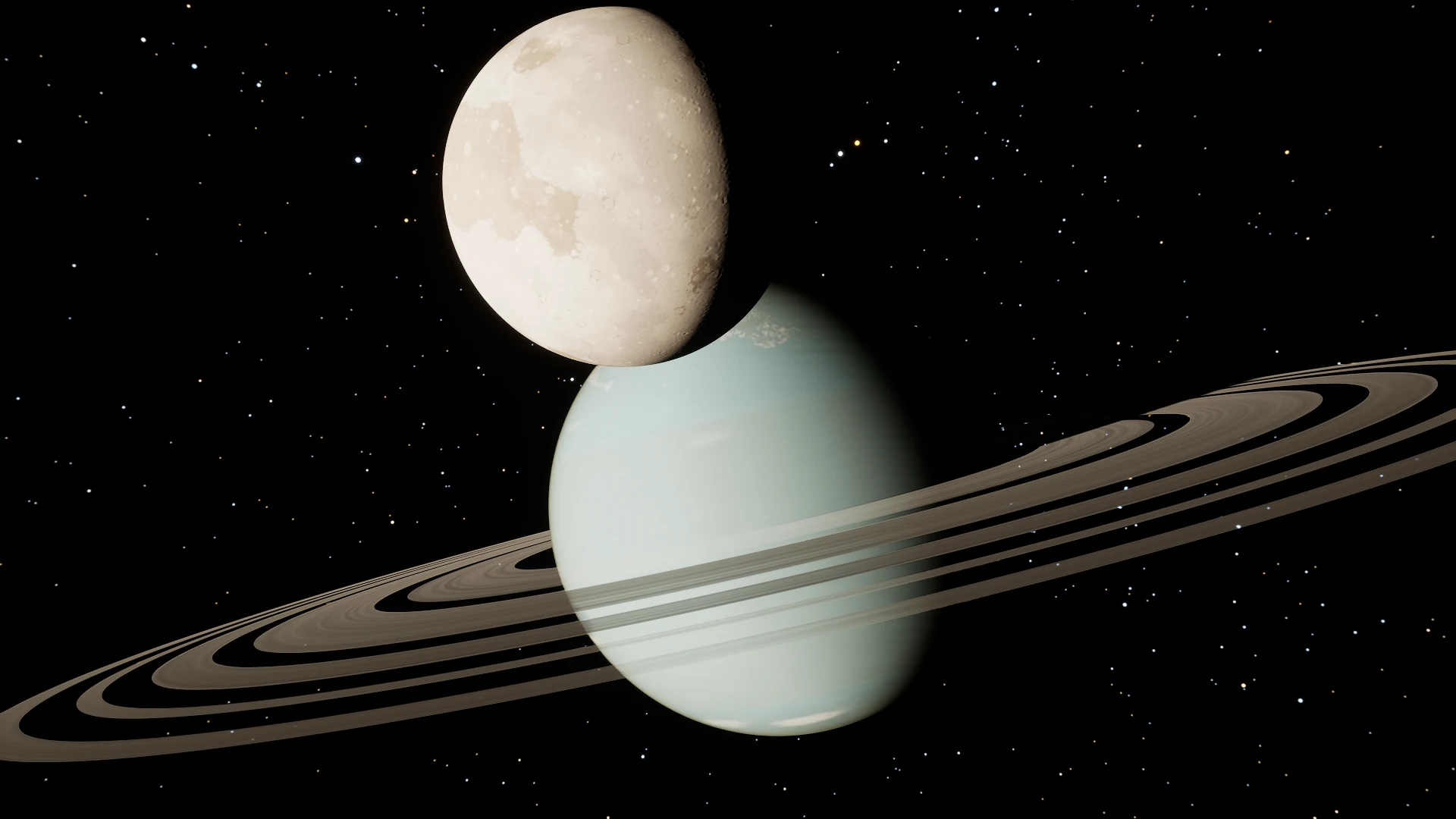
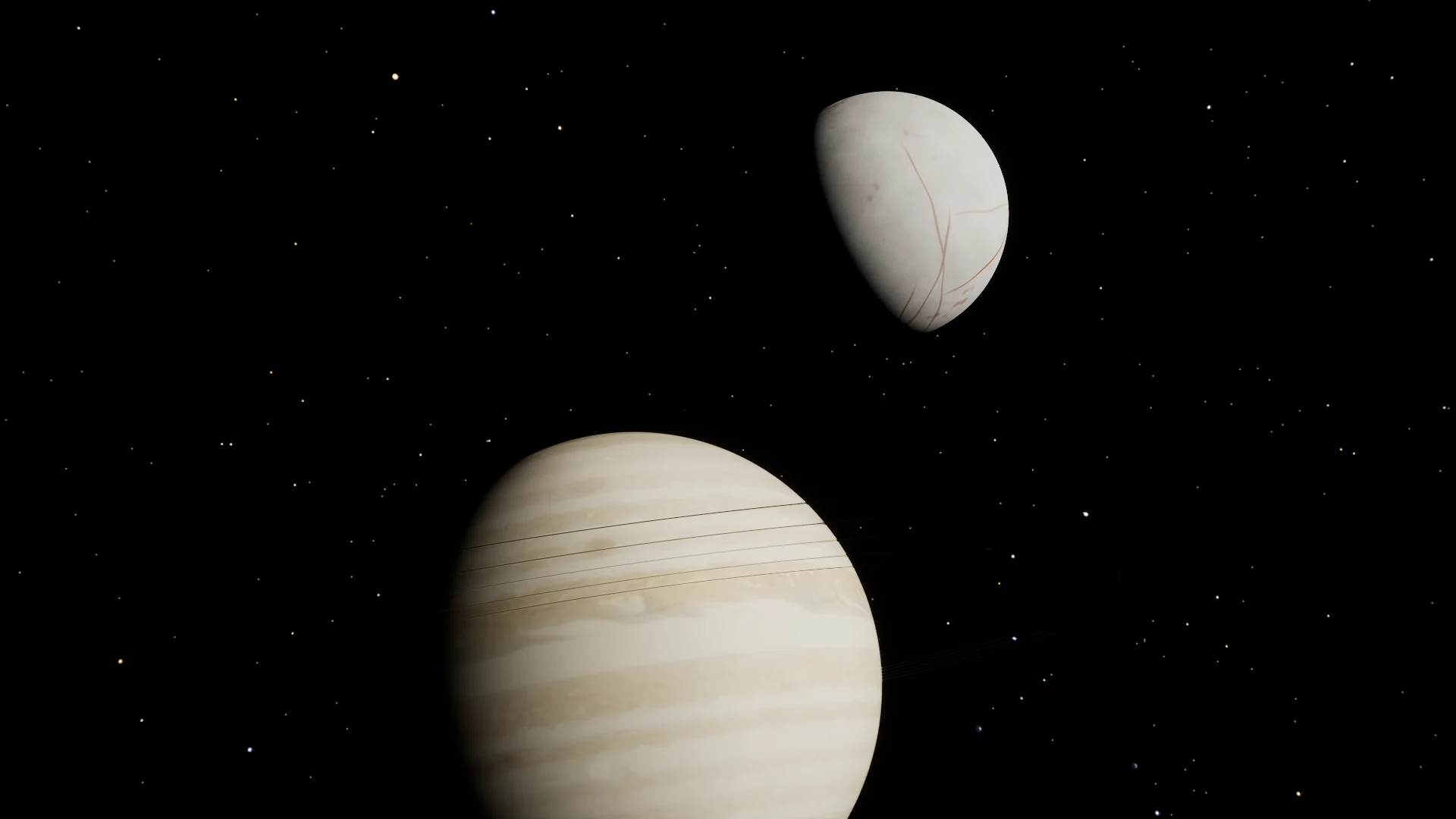
No painted maps, no hand-built worlds
A barren or icy body in Pax Abyssi takes its world from its type. The generator reads what the simulation says the body is, a basalt planet, a Europa-type moon, an iron world, and builds that world at the body's true radius and gravity, turned and seeded by the body's own identity. Nothing is built by hand for one place. In the catalogue systems alone that makes 11,359 planets and moons you can land on today: 5,005 planets and 6,354 moons, 8,001 of them barren or icy.
The ground is grown as you descend. Gravity pulls toward the centre of a real sphere, craters follow the size laws measured on the Moon and Mercury, and on a 3,000 kilometre world the surface resolves to triangles of about 0.7 metres under your boots.
Every planet class is moving to procedural generation. The gas giants went first, and every one is now grown by our giant generator. Barren and ice worlds are moving onto it now, and lava worlds, greenhouse worlds and arid worlds are already there, every type. The rest of the planet classes follow until the generator replaces every baked texture in the galaxy.
What stays is the research. Each of our 107 planet types rests on its own study of the real science: the papers, the bodies it is modelled on, the albedos and colours measured by spacecraft. That research is the generator's brief. A type's look takes its layout and hue from our studies of that type and its brightness from the measured albedo of its real counterparts, and where the two disagree, the science wins.
What one planet is made of
The generator writes a whole planet as numbers before it draws a pixel. A gas giant is 21,408 of them, grown from about 300 in its look row and a seed of its own. A barren moon is 1,371; an icy moon crossed by a hundred lineae is 3,385. The game grows the ground from them as you fly.
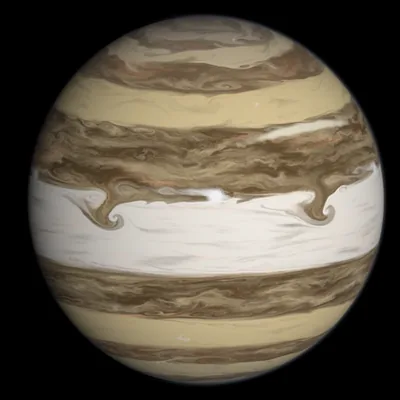
numbers per planet, from a look row of about 300 and the planet's own seed
| Bands | 12, equatorial zone 25° |
|---|---|
| Jet strength | 1.2 |
| Belt turbulence | 0.45 |
| Chromophore | #8C4626, amount 0.45 |
| Limb darkening, Minnaert k | 0.92 |
| Convection cells | 16 |
| Storms and features drawn | 18 |
| Band table | 1,024 rows |
| Global settings | 28 |
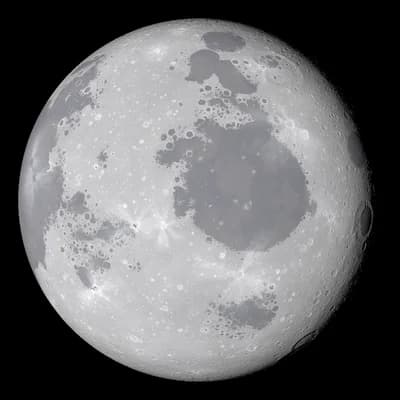
numbers in the world, before the ground is grown from them
| Built on | HYG 96000 II-II, a real moon of the generated galaxy |
|---|---|
| Radius | 1,907.2 km |
| Surface gravity | 1.77 m/s² |
| Geometric albedo | 0.08 |
| Craters | 30 m to 100 km, complex above 14.6 km |
| Basins | 45, from 330 to 2,669 km |
| Flooded with lava | 6 basins and 15% of the lowlands |
| Mare share | 17.9% of the sphere |
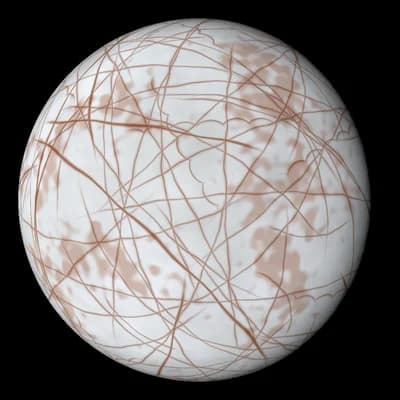
numbers in the world, 2,914 of them its lineae
| Built on | HYG 11521 IV-I, a real moon of the generated galaxy |
|---|---|
| Radius | 1,354.9 km |
| Surface gravity | 0.76 m/s² |
| Mean temperature | −164.7 °C |
| Geometric albedo | 0.62 |
| Lineae | 100: 57 ridges, 13 troughs, 17 arcs, 13 scarps |
| Ridge width | 9 to 13 km |
| Craters | almost none: the ice is young |
40 barren types, from the Moon's grey to bare metal
Airless rock, sorted the way a geologist would: by what the crust is made of, then by what shaped it, from impact and lava to the scarps of a shrinking planet. Every type the galaxy holds has its look designed for the generator.
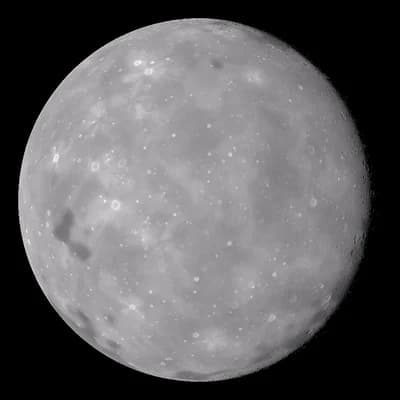
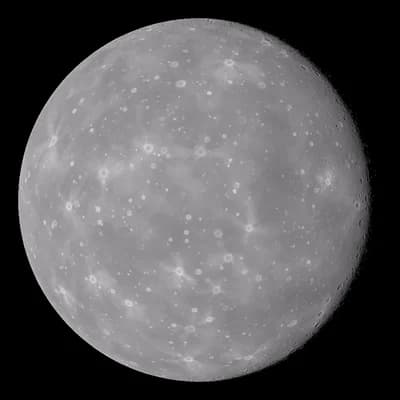
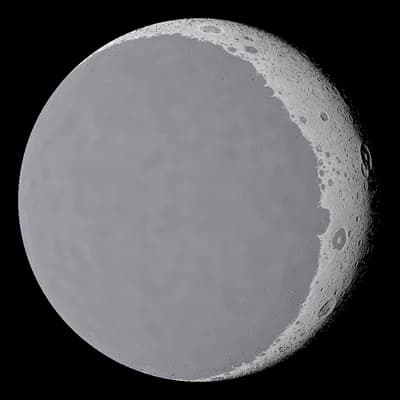
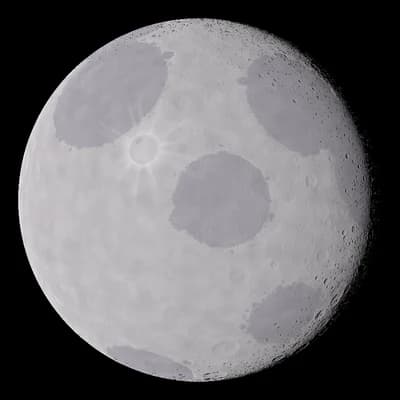
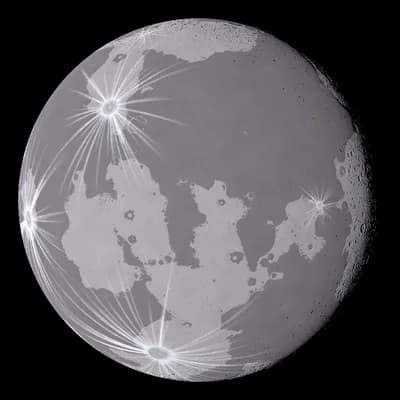
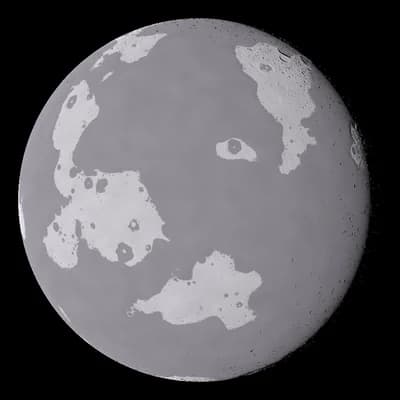
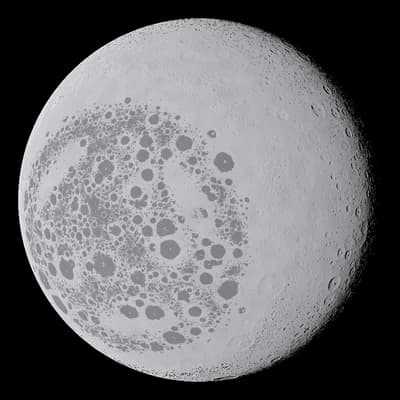
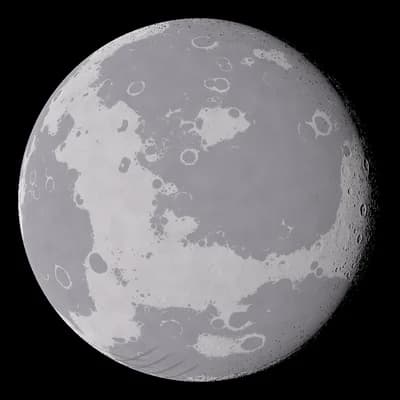
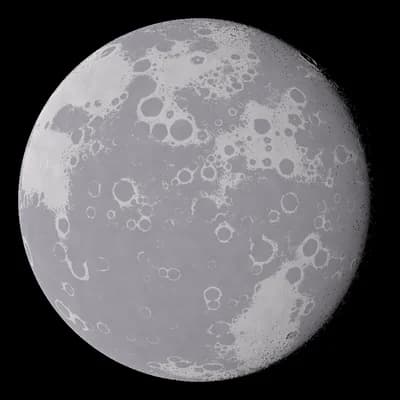
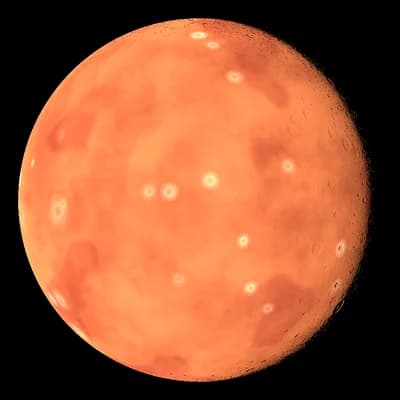
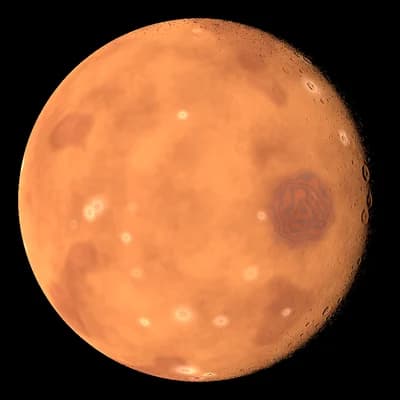
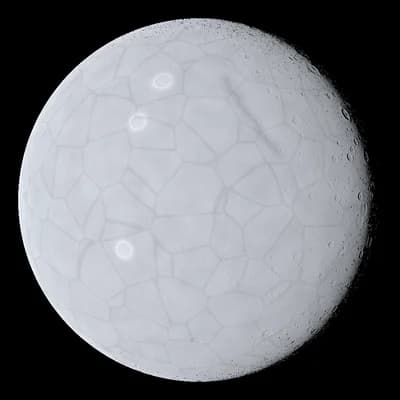
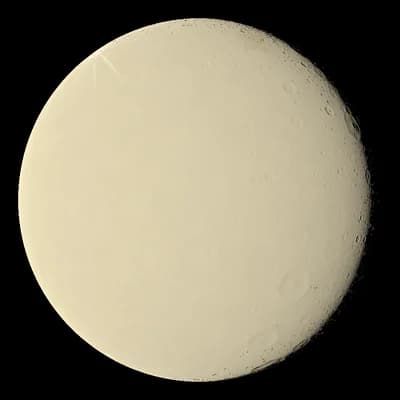
In Pax Abyssi: every sphere is a render from our planet generator, lit from the same angle near full phase. Types in the game are the game's own render of the world you land on; the rest are drawn from their designed looks. Hover or focus a tile for its name.
- In the game
- In development
- Planned
Barren moons
Airless rocky moons, the commonest bodies in the galaxy you can land on. The Luna type is in the game: every one of its moons lands on its own true radius.
- M0-B1
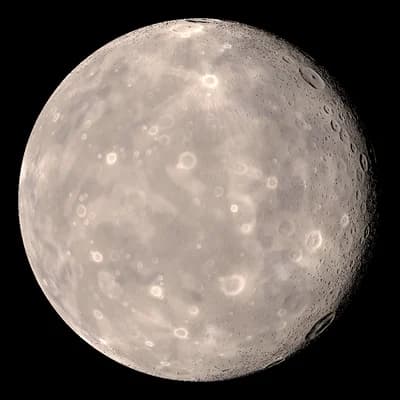 M0-B2
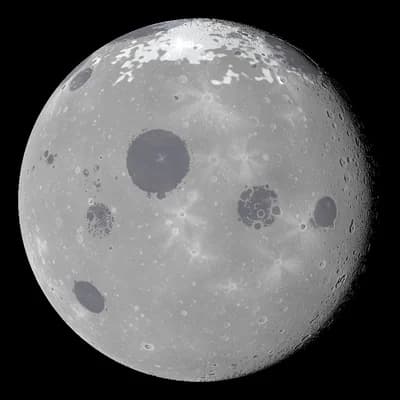 M4-T
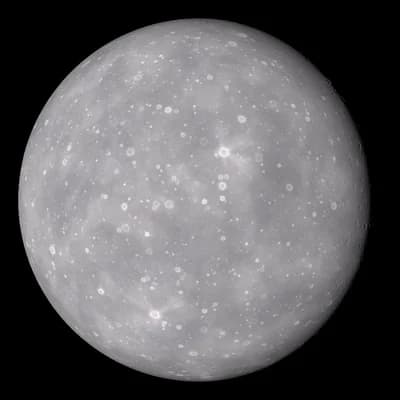
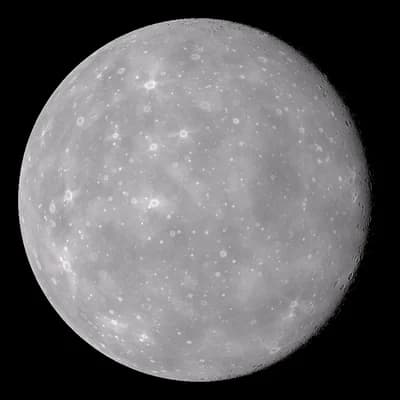
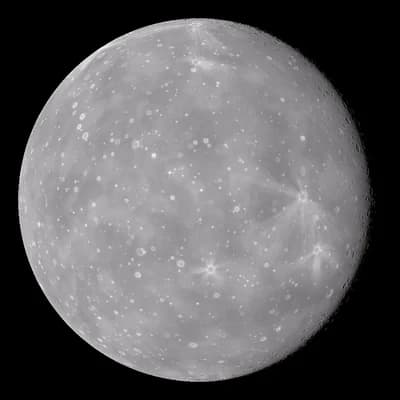
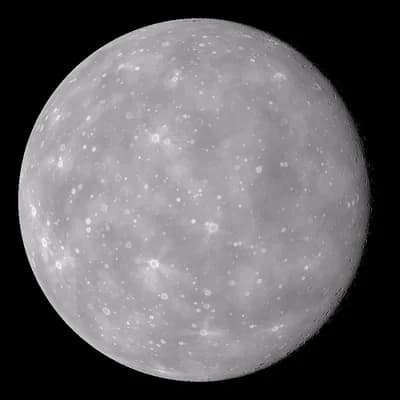
Mercury-type planets
Neutral grey rock with no air, Mercury's family. Every one of these planets is landable today; each subtype's own look follows the saturated highland onto the generator.
 TBR-HC-SH
 TBR-HC-BS
 TBR-HC-RY
 TBR-SC-SN
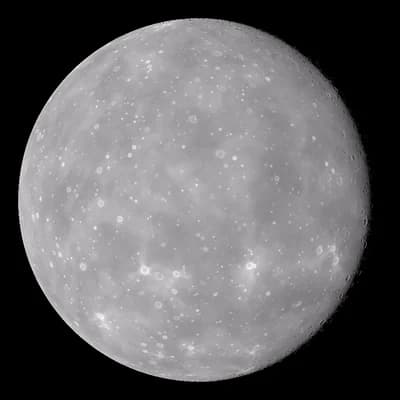 TBR-SC-TB
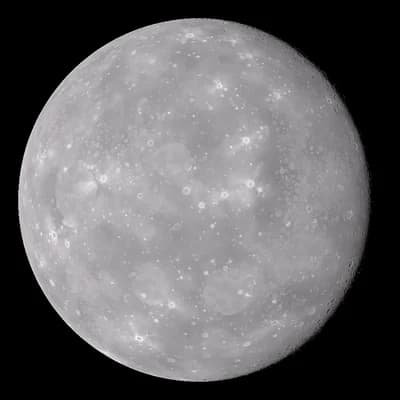 TBR-VP-BF
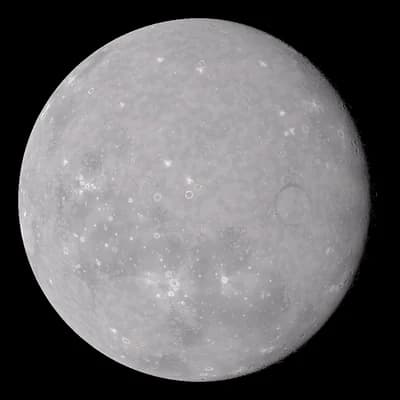 TBR-VP-EP
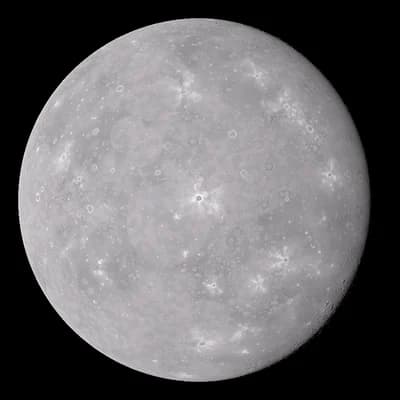 TBR-VP-GC
 TBR-DK-GP
 TBR-DK-DM
Basalt worlds
Charcoal basalt with no warm tones, its darkness set by titanium: the lunar seas grown to the size of a planet, sorted by how the lava came and what struck it after.
 TBB-FF-FB
 TBB-FF-GM
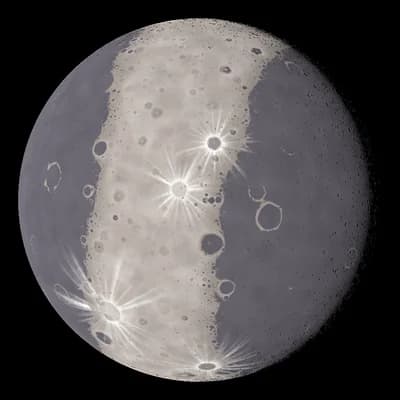 TBB-FF-MM
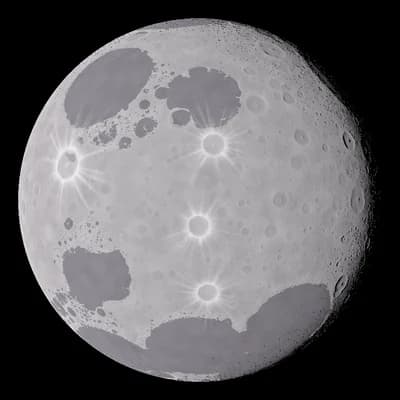 TBB-FF-SM
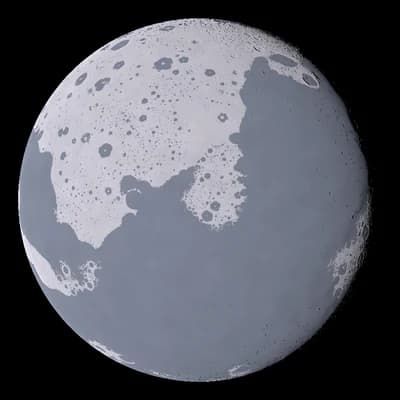 TBB-HT-BC
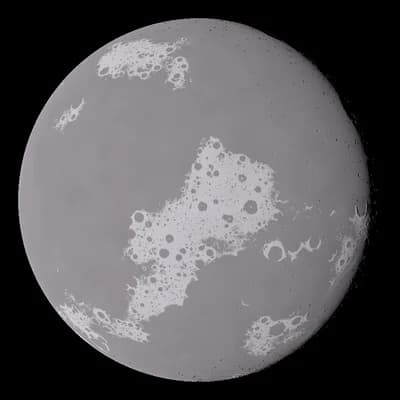 TBB-HT-HD
 TBB-IM-MR
 TBB-IM-SR
 TBB-IM-TB
 TBB-TC-GP
 TBB-TC-SR
Iron and metal worlds
Crusts rich in iron: rust where its oxides weather, bright metal where an iron-nickel body lies bare, the remains of a planet's core.
 TBI-HM-SD
 TBI-MG-SD
 TBM-MT-SD
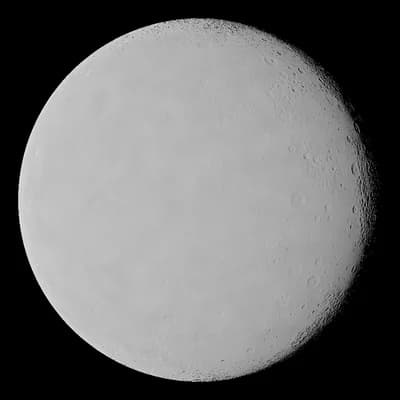 TBM-SC-SD
Sandy barren worlds
Pale tan, never grey: fine bright regolith over the rock, sorted by age from fresh crust to old highland worn into palimpsests.
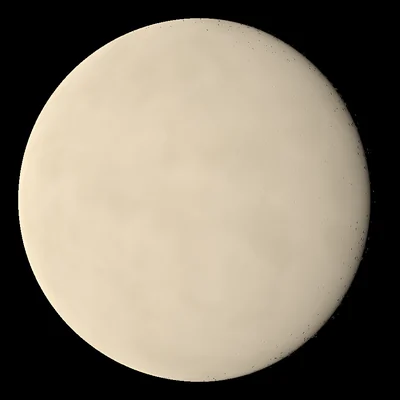 TBS-AH-PH
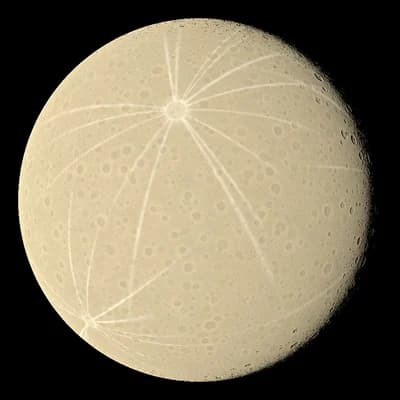 TBS-AH-RC
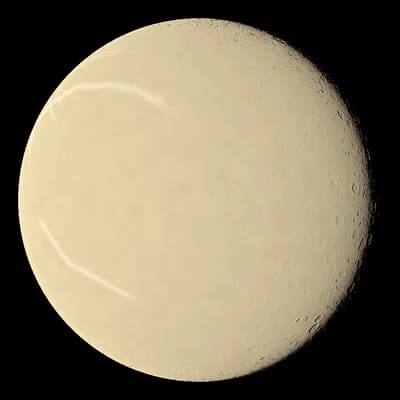 TBS-AH-RS
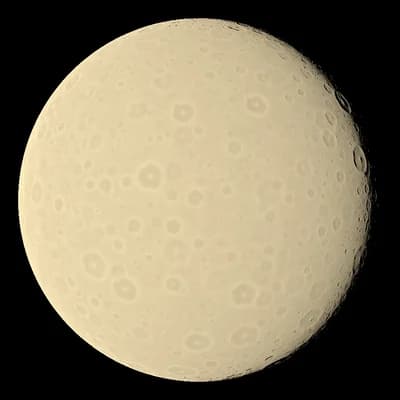 TBS-AH-SB
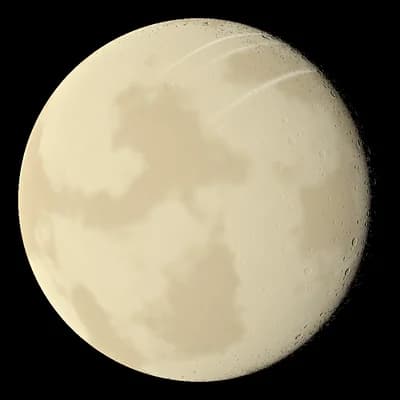 TBS-BS-FE
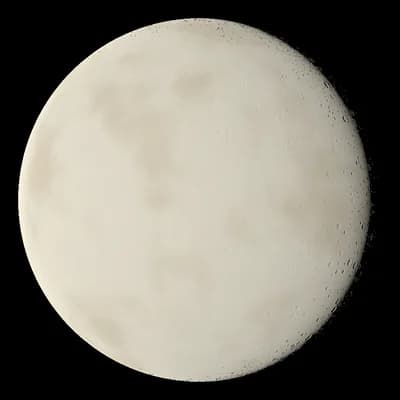 TBS-BS-YC
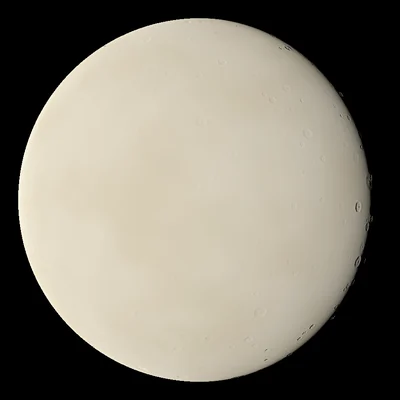 TBS-DP-FL
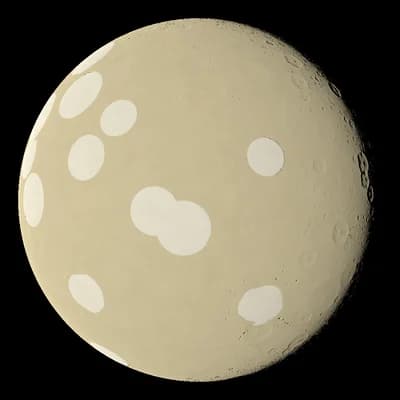 TBS-DP-PM
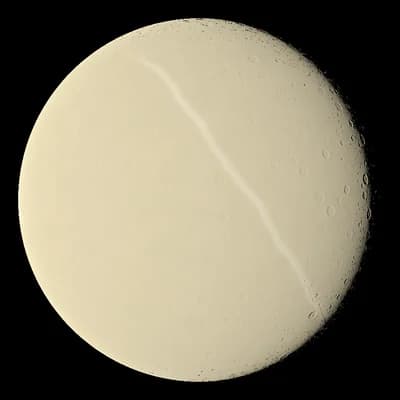 TBS-MX-GR
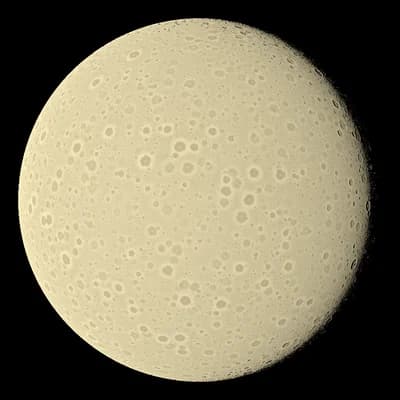 TBS-MX-MC
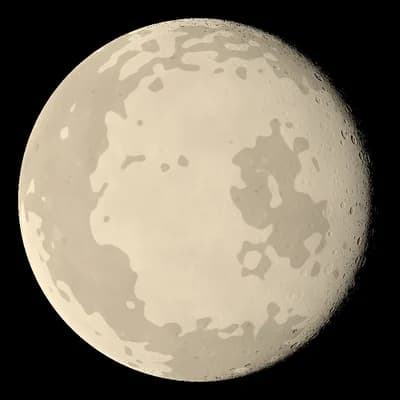 TBS-MX-TR
 TBS-MX-YH
26 ice types, from Europa's lines to Pluto's basins
Moons and planets of frozen water, nitrogen and methane. Each look starts from a real body, Tethys, Titania, Enceladus, Europa, Ganymede, Pluto, and follows its science: bright young ice where an ocean resurfaces it, dark stained ice where it has lain for aeons.
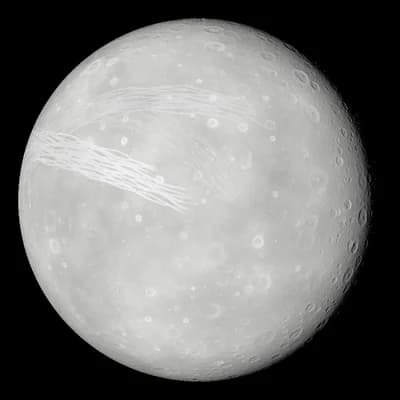
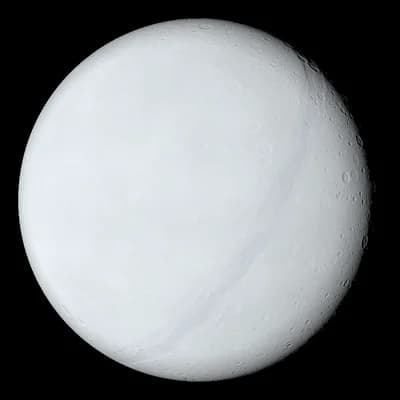
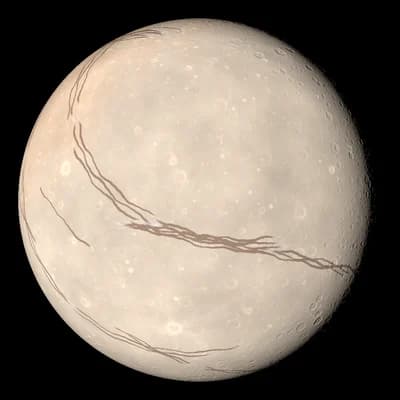
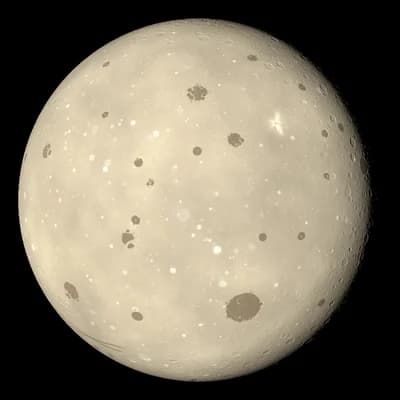
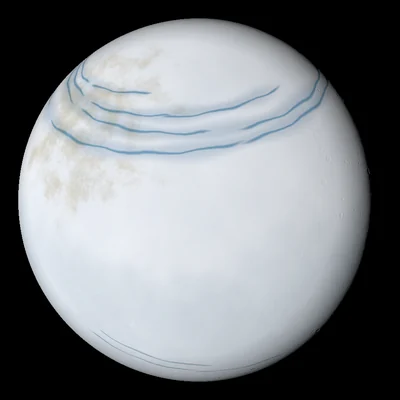
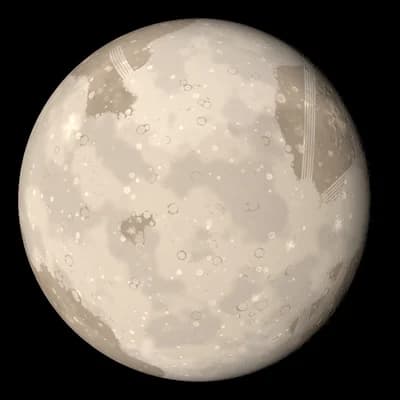
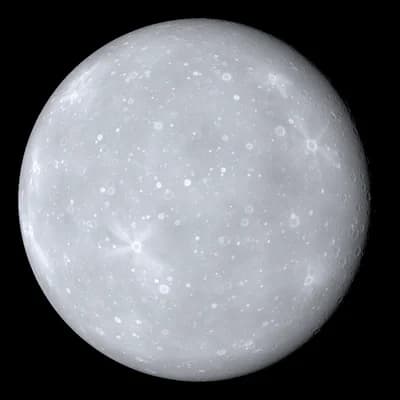
In Pax Abyssi: every sphere is the game's own render of the world you land on, lit from the same angle near full phase. Hover or focus a tile for its name.
- In the game
- In development
- Planned
Icy moons
Every round icy moon type in the galaxy is in the game, each modelled on the real moon it is named for, from Tethys's great rift to Europa's red-brown lines.
 T0-B6-WI
 T0-B6-PR
 T0-B6-RV
 T0-B6-DM
 T2-SA
- T2-SB
 T2-SC
Ice worlds
Planets of frozen water, nitrogen and methane, Pluto and Triton grown to planet size. All three are in the game.
 TIW-PR-SD
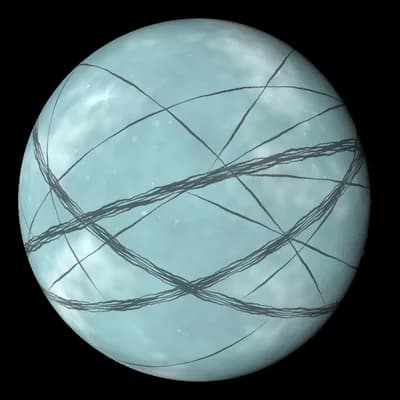 TIW-CR-SD
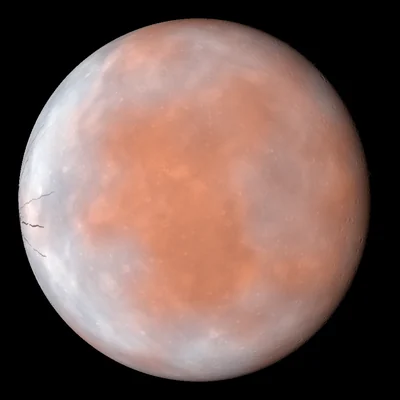 TIW-TN-SD
Subsurface ocean planets
An ocean of liquid water under a shell of ice, warmed from below. The shell's face tells you what the ocean is doing.
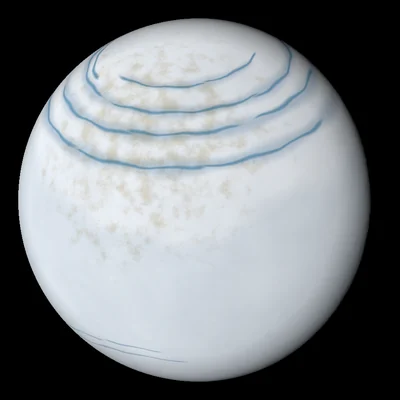 TSO-PL
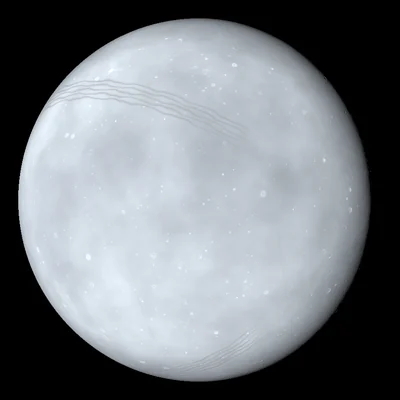 TSO-HV
- In developmentTSO-TC
- In developmentTSO-DY
- In developmentTSO-BR
Ice super-Earths
Icy planets up to twice Earth's width, heavy enough to hold a fifth of a bar to three quarters of a bar of air over the ice.
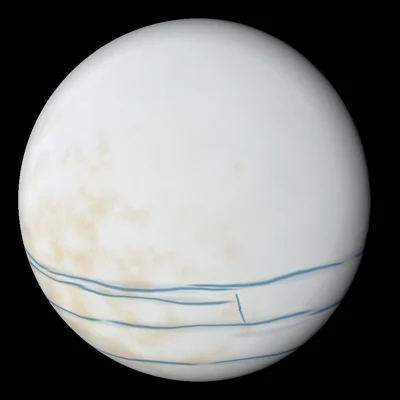 SEI-CR-CH
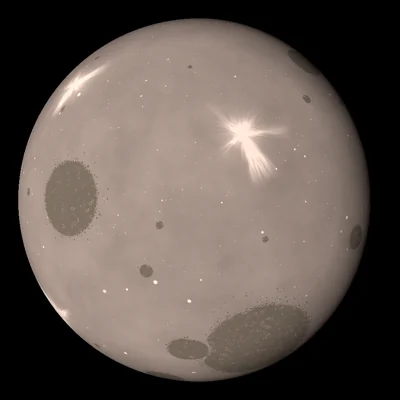 SEI-DS-AM
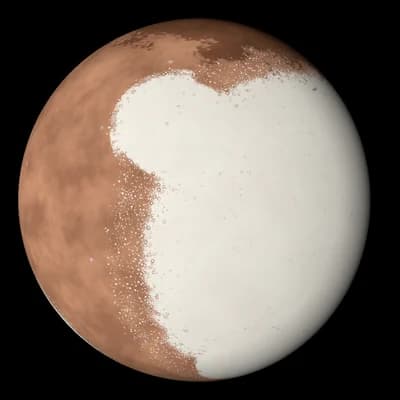 SEI-TS-WS
- In developmentSEI-CR-CM
- In developmentSEI-DS-AD
- In developmentSEI-TS-DP
- In developmentSEI-HI-IX
- In developmentSEI-HI-IV
- PlannedSEI-NG-NC
- PlannedSEI-NG-NF
- PlannedSEI-HS-HM
The rest of the science
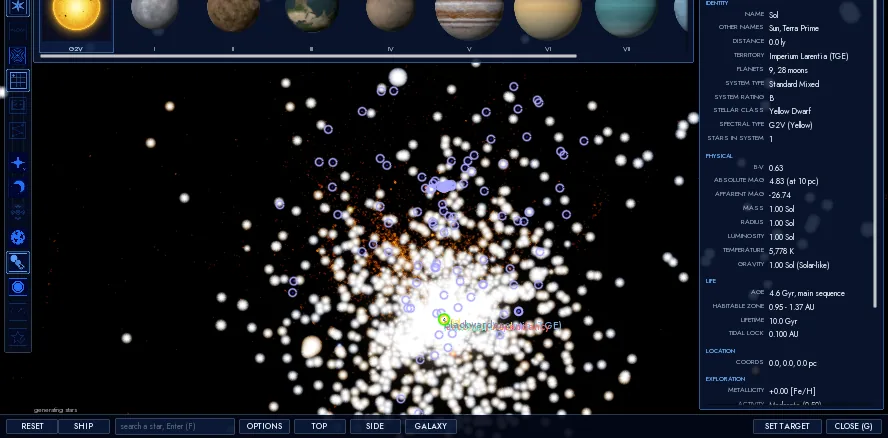 The galaxy111 billion stars, the measured ones where astronomers put themThe whole Milky Way at true scale: every catalogued star in its measured place, and the rest generated from a published model of our galaxy.
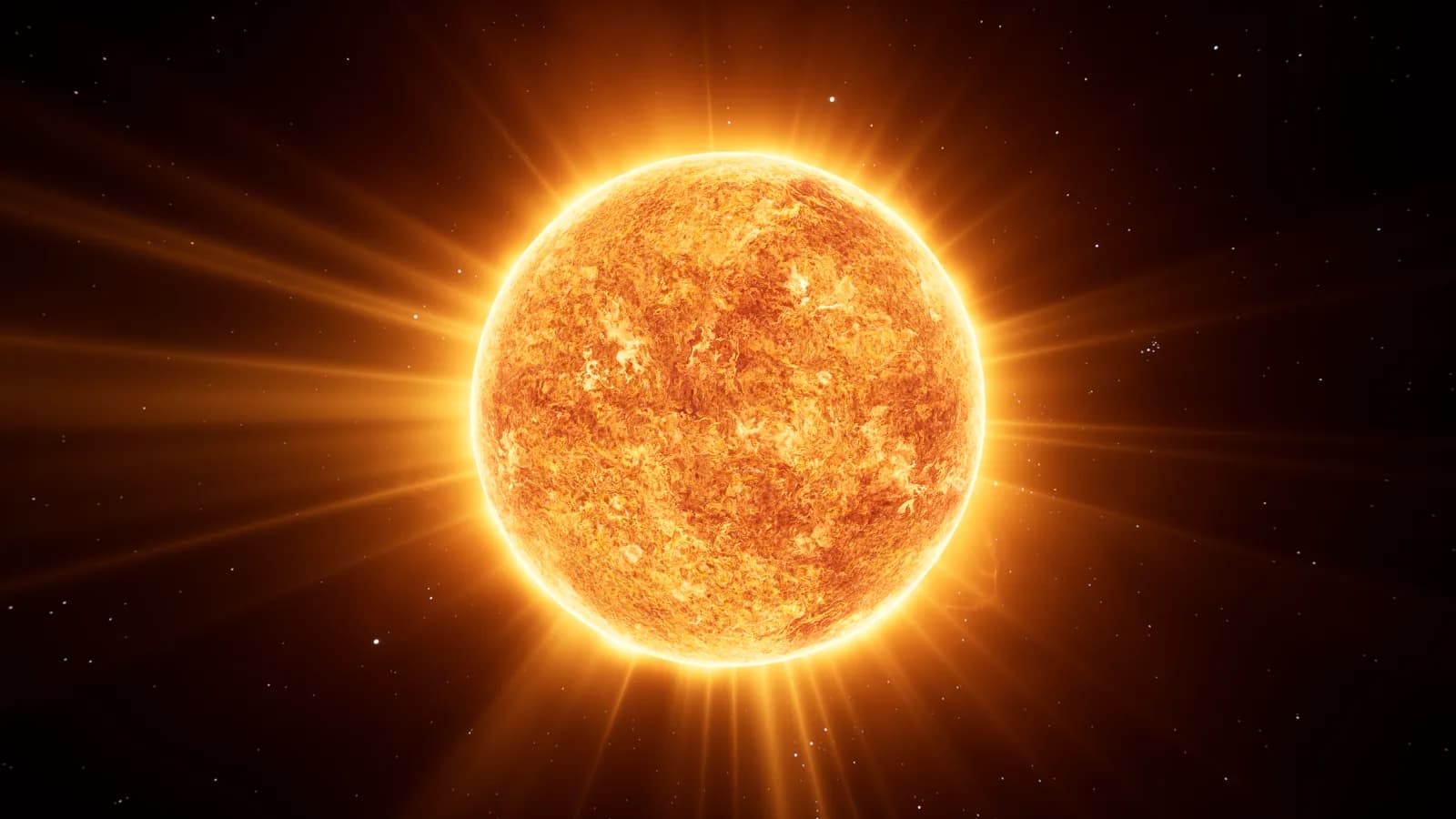 StarsA star is the colour of its temperaturePlanck's law through the human eye, so the Sun is white. Pick Scientific, Game or Vivid in the options.
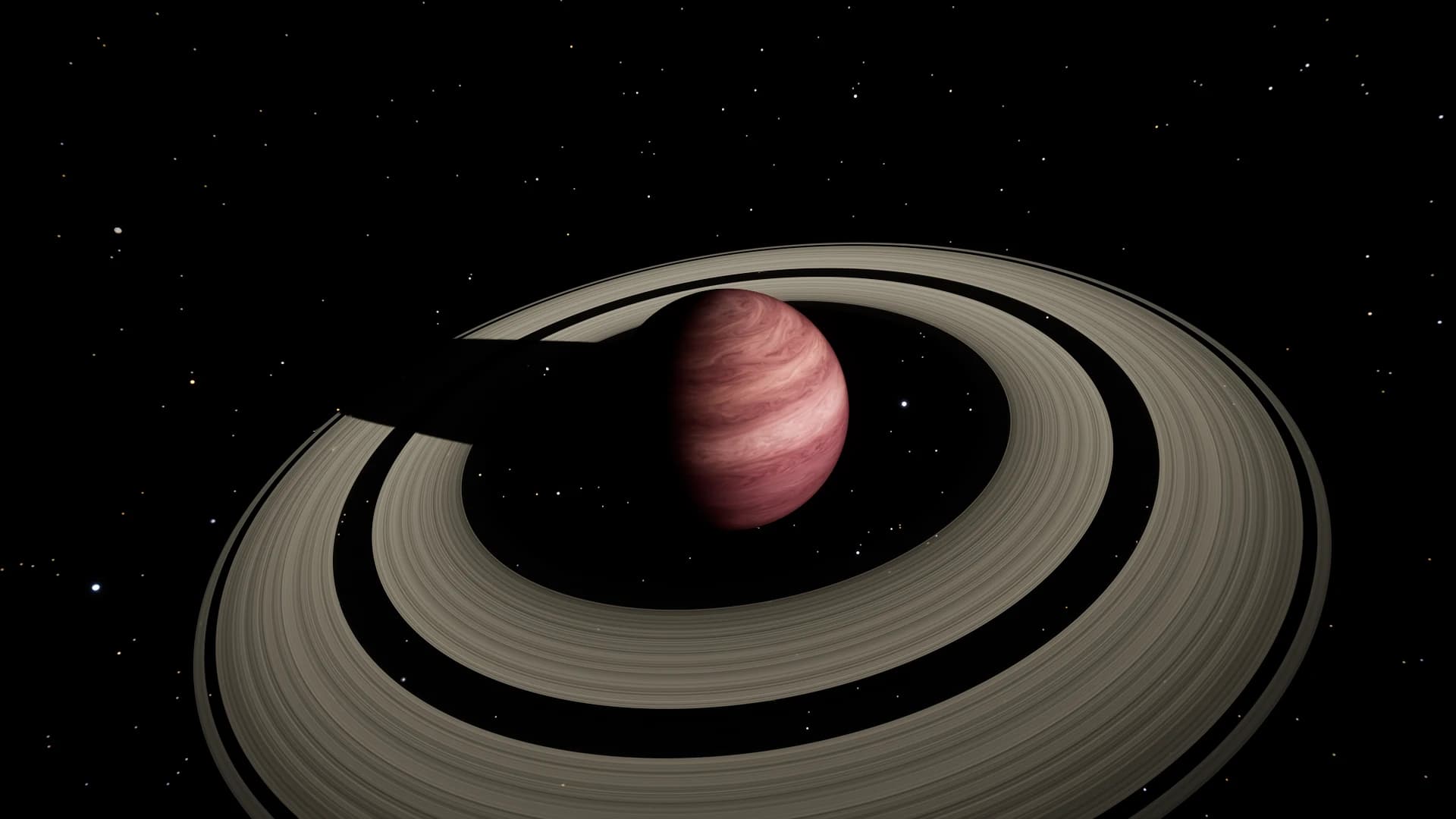 Gas giantsEvery kind of giant, drawn from its chemistry41 types across five families, each growing its own weather from a seed.
 Lava worldsSeas of molten rock, each grown from its own heatEighteen types, from gold-white magma oceans to frozen plates, every planet's sea drawn from its heat, its crust and a seed of its own.
 Greenhouse worldsVenus's kind, from the cloud tops downDecks of acid, water or sulfur cloud drawn from each planet's own winds, tens of bar of air beneath, and ground hot enough to glow.
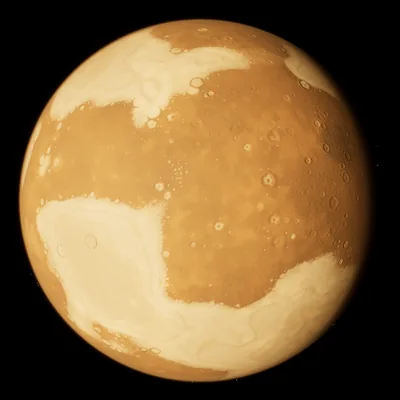 Arid worldsMars and its kind, from orbit to the dustRust plains, cratered highlands, basalt shields, evaporated oceans and clouded deserts, every planet's caps sized by its own temperature, and Mars from its own layout.
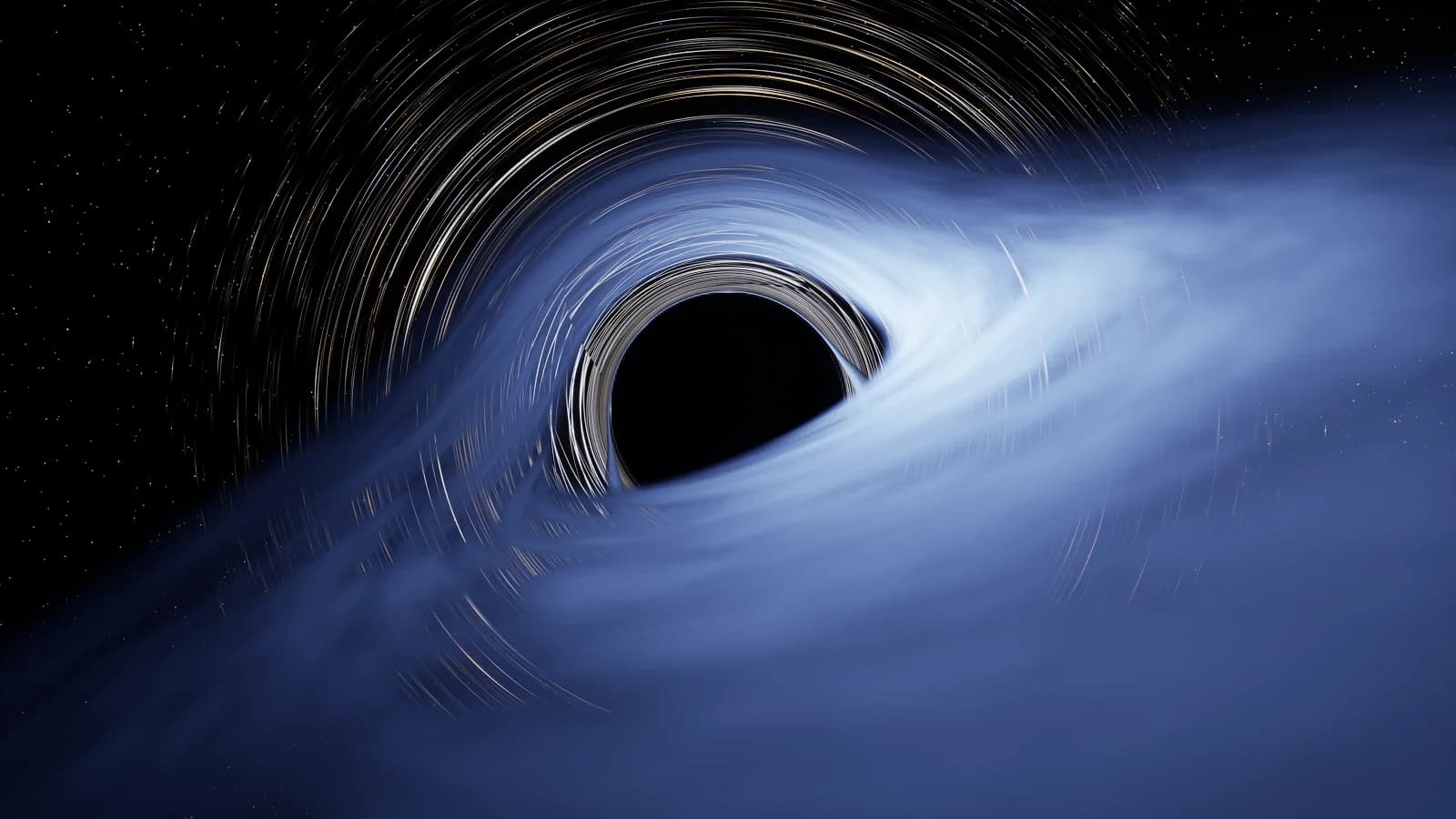 Black holesThe physics, and an artist's visionLight solved through general relativity at every pixel, over the real star field behind the hole.
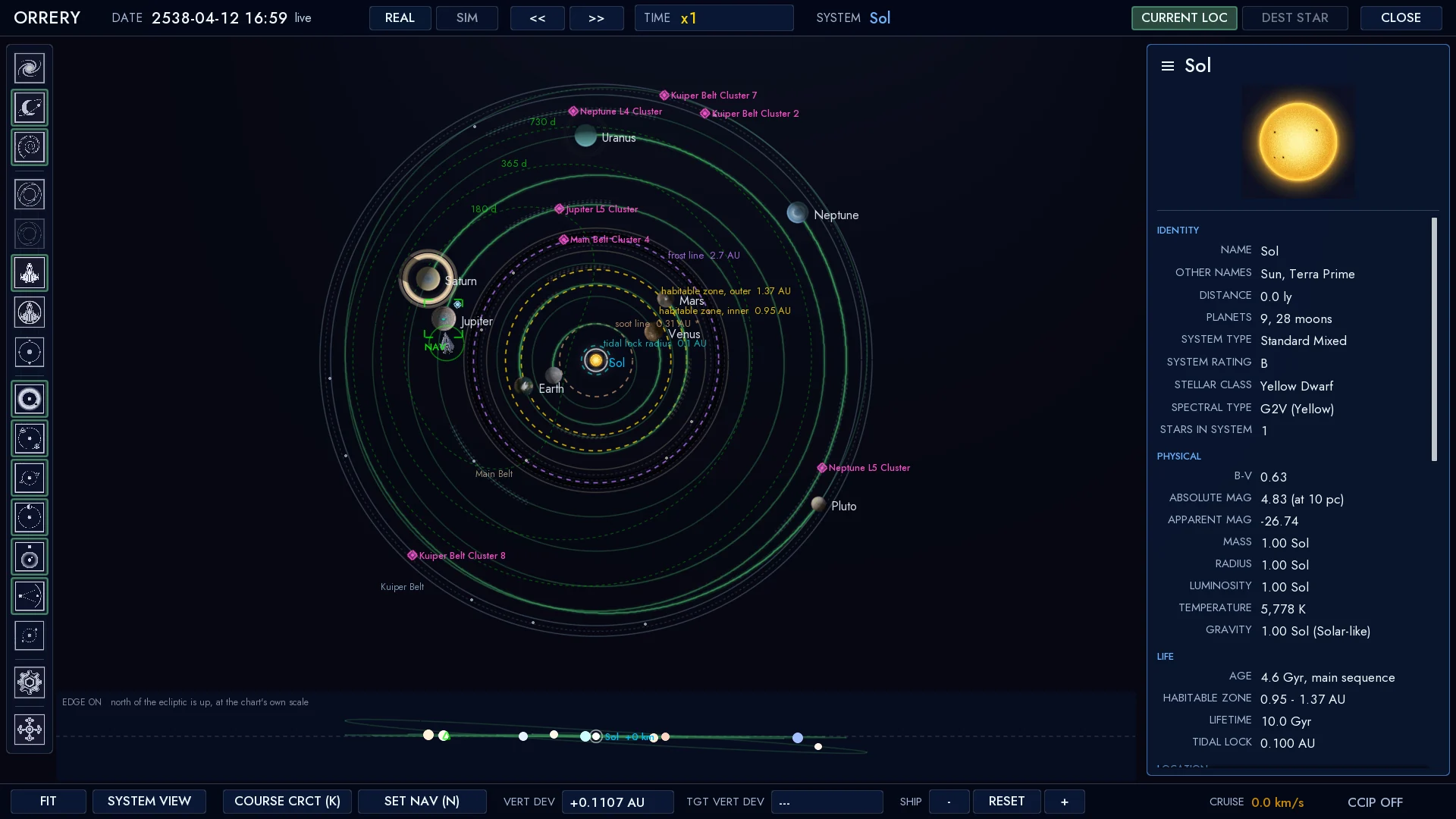 Solar systemsSolar system types and the orrery23 layouts taken from the exoplanet surveys, and an orrery that charts any system at any date.