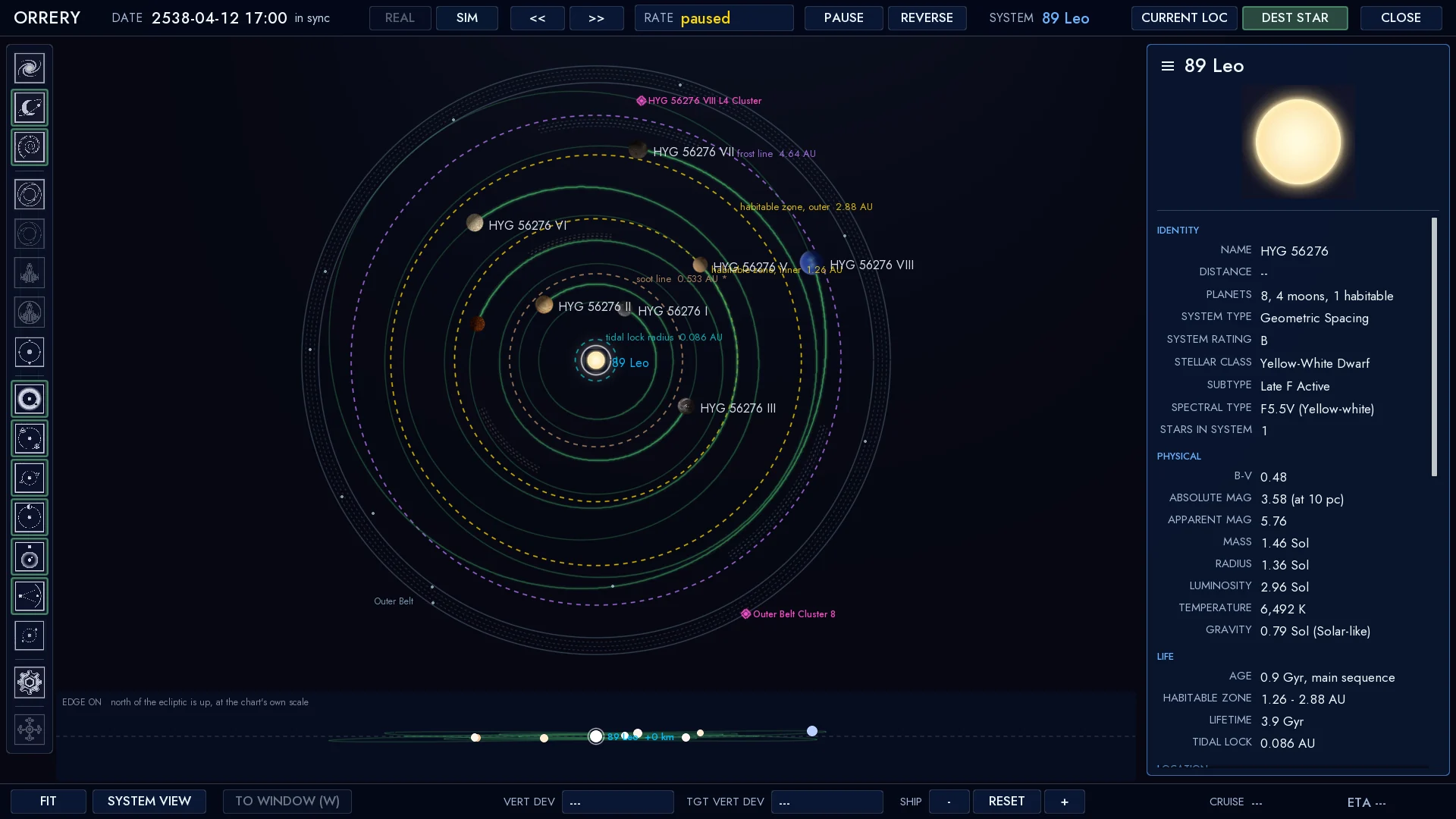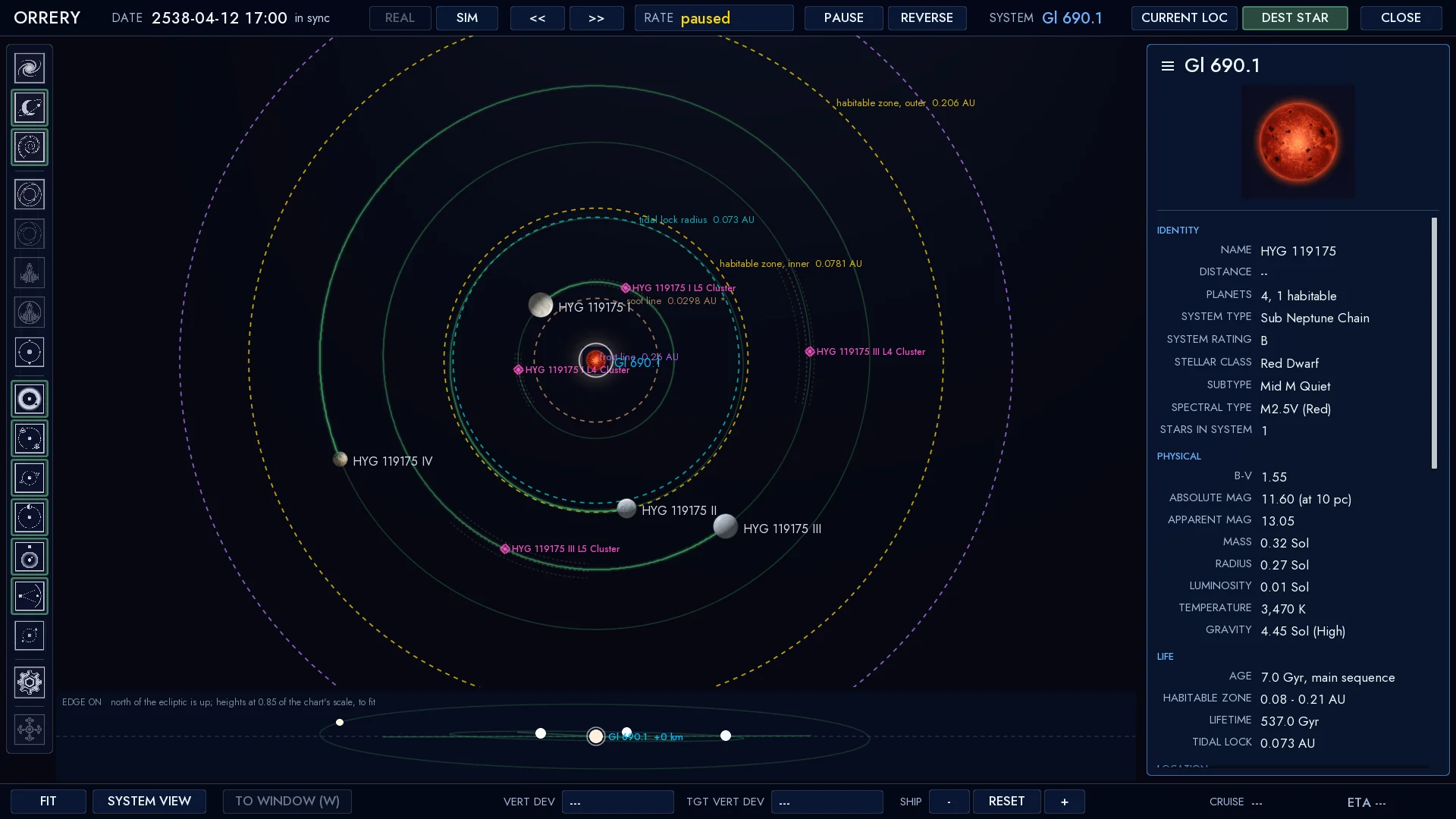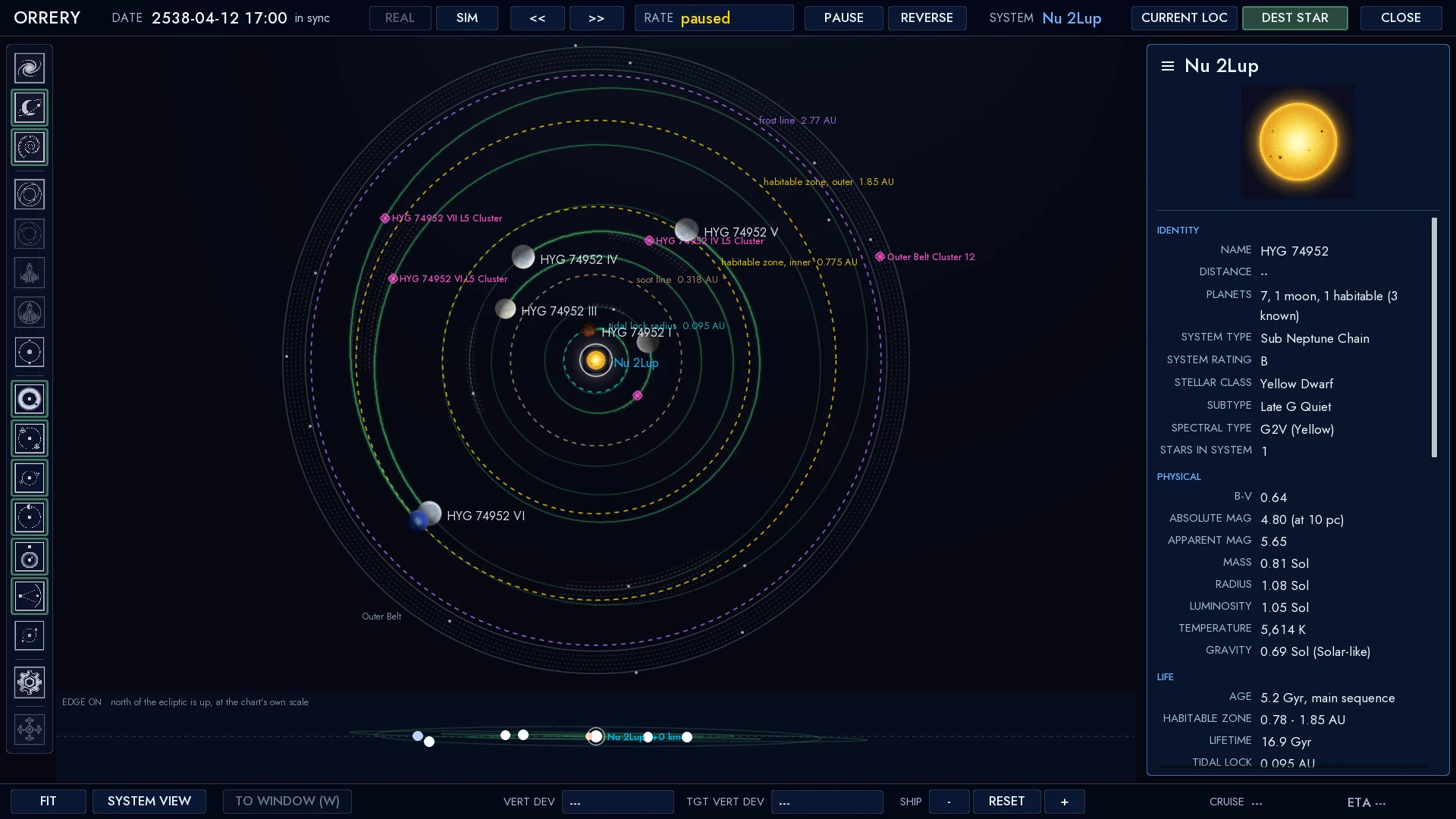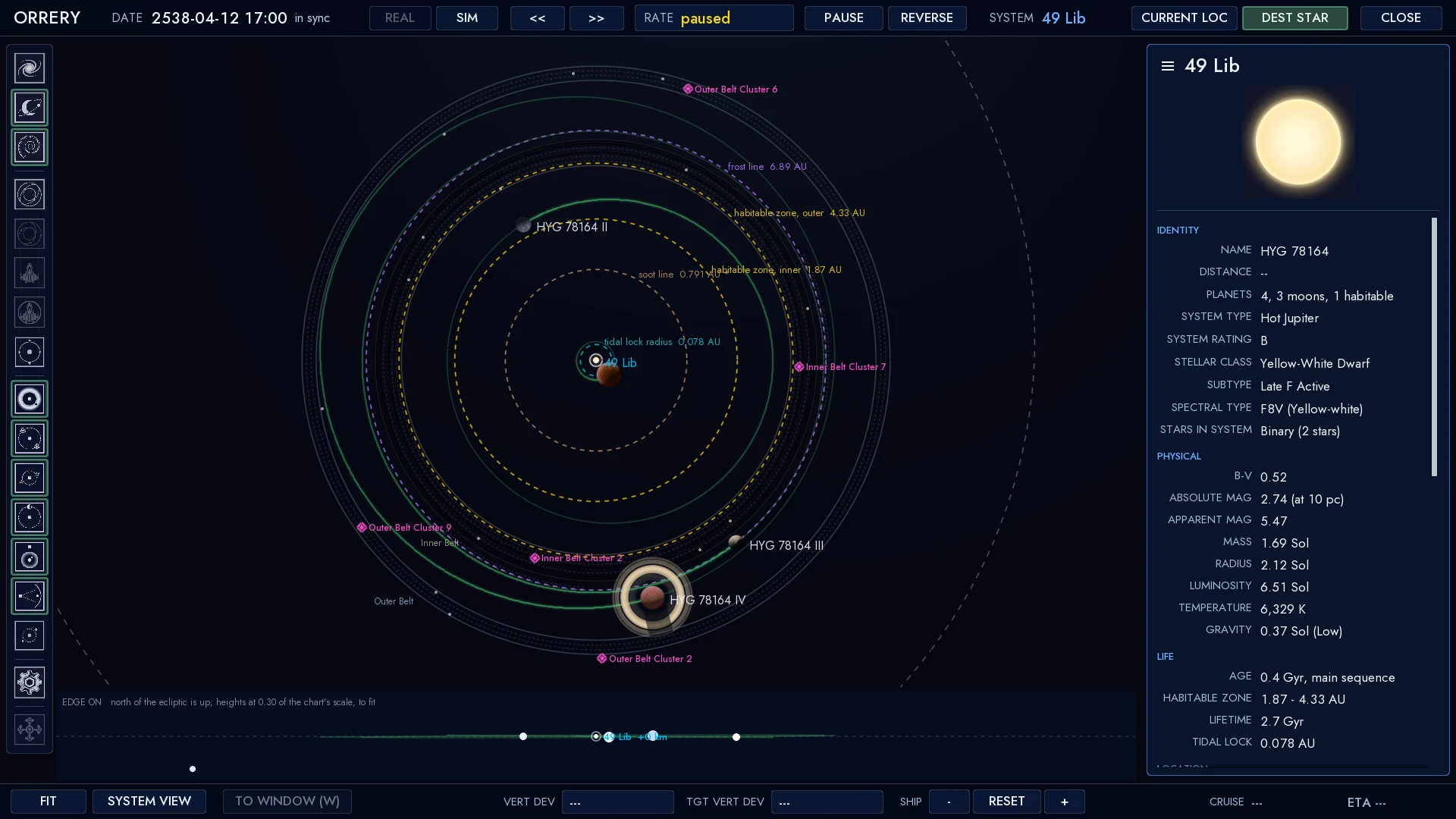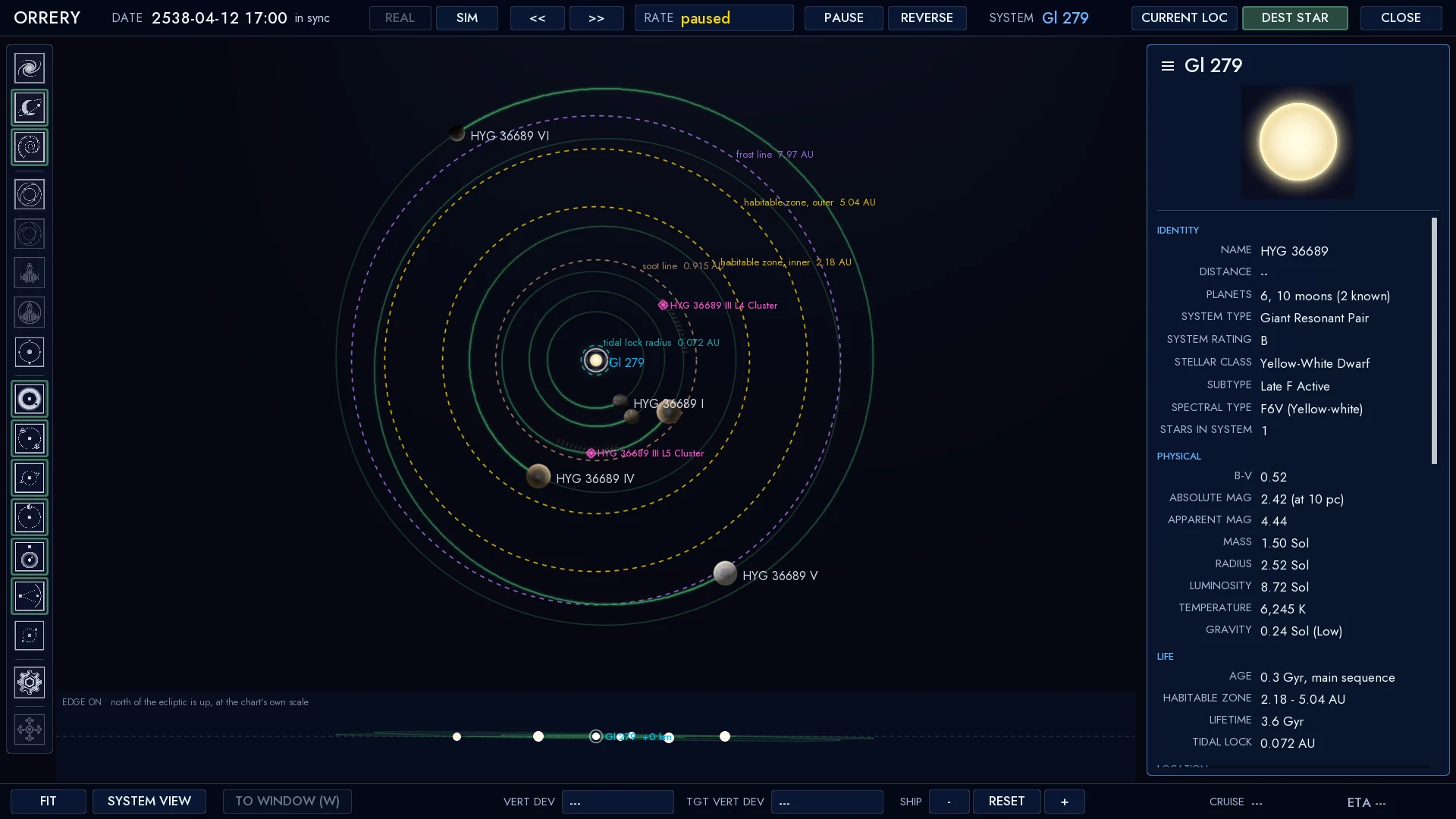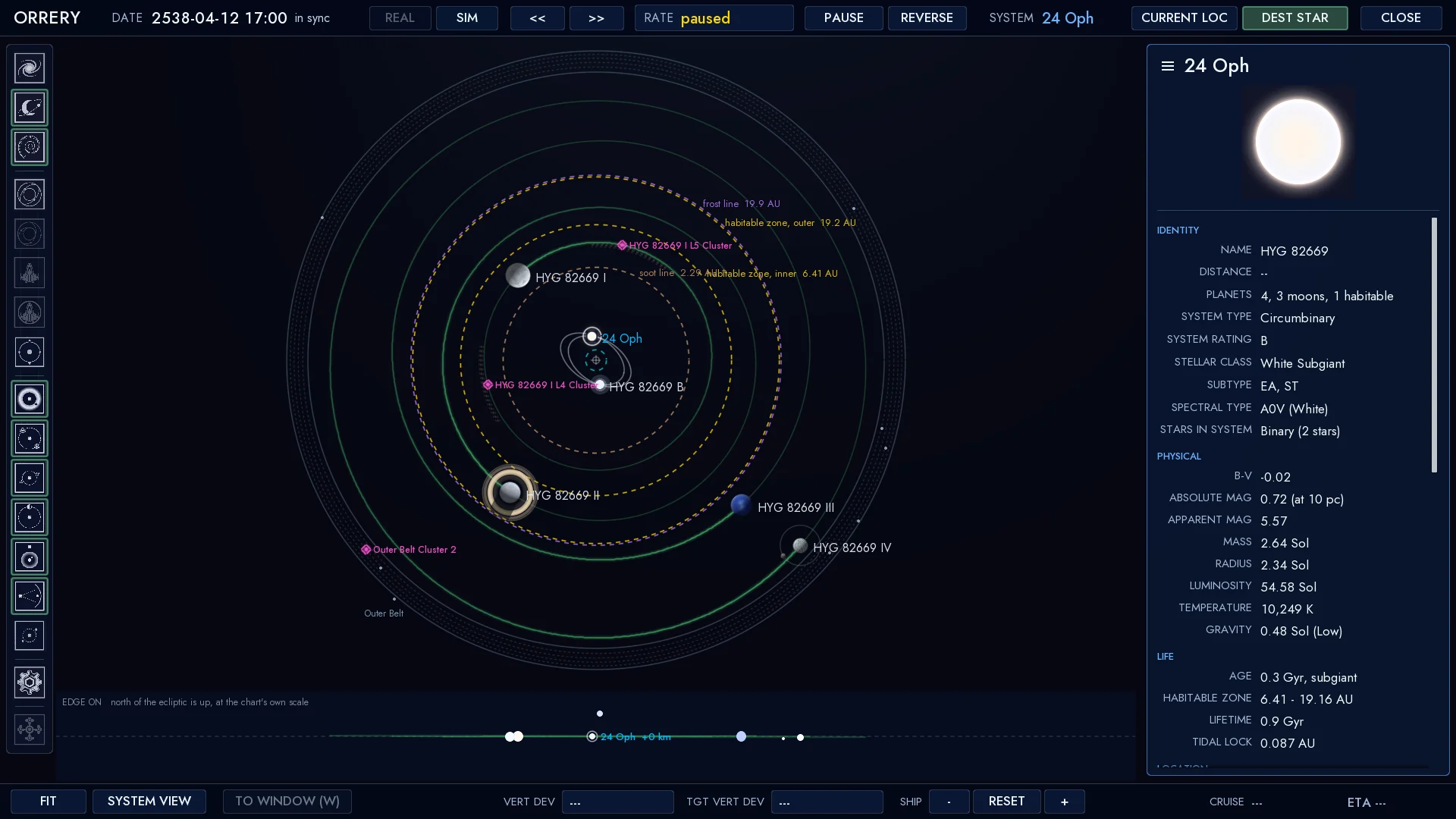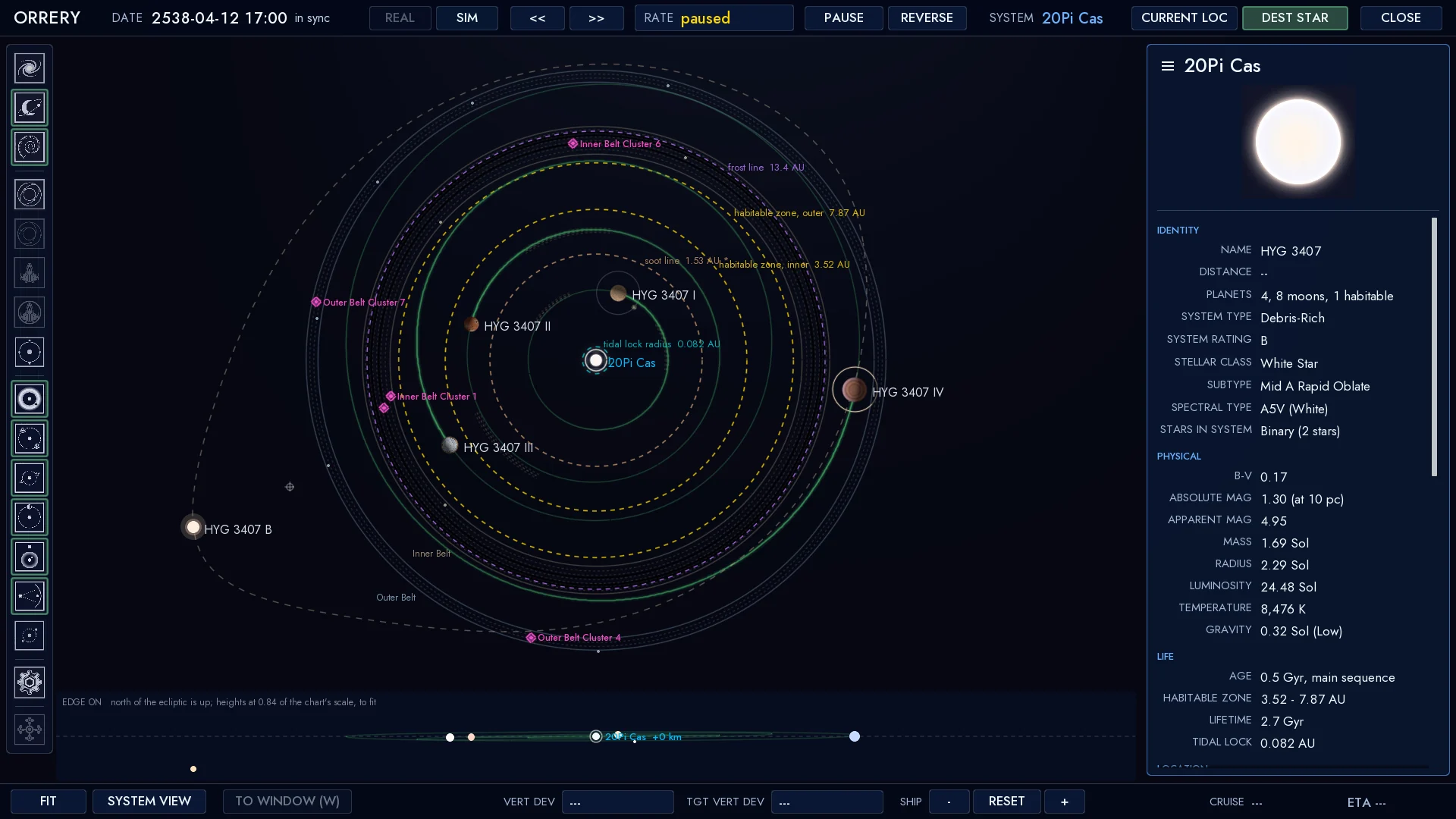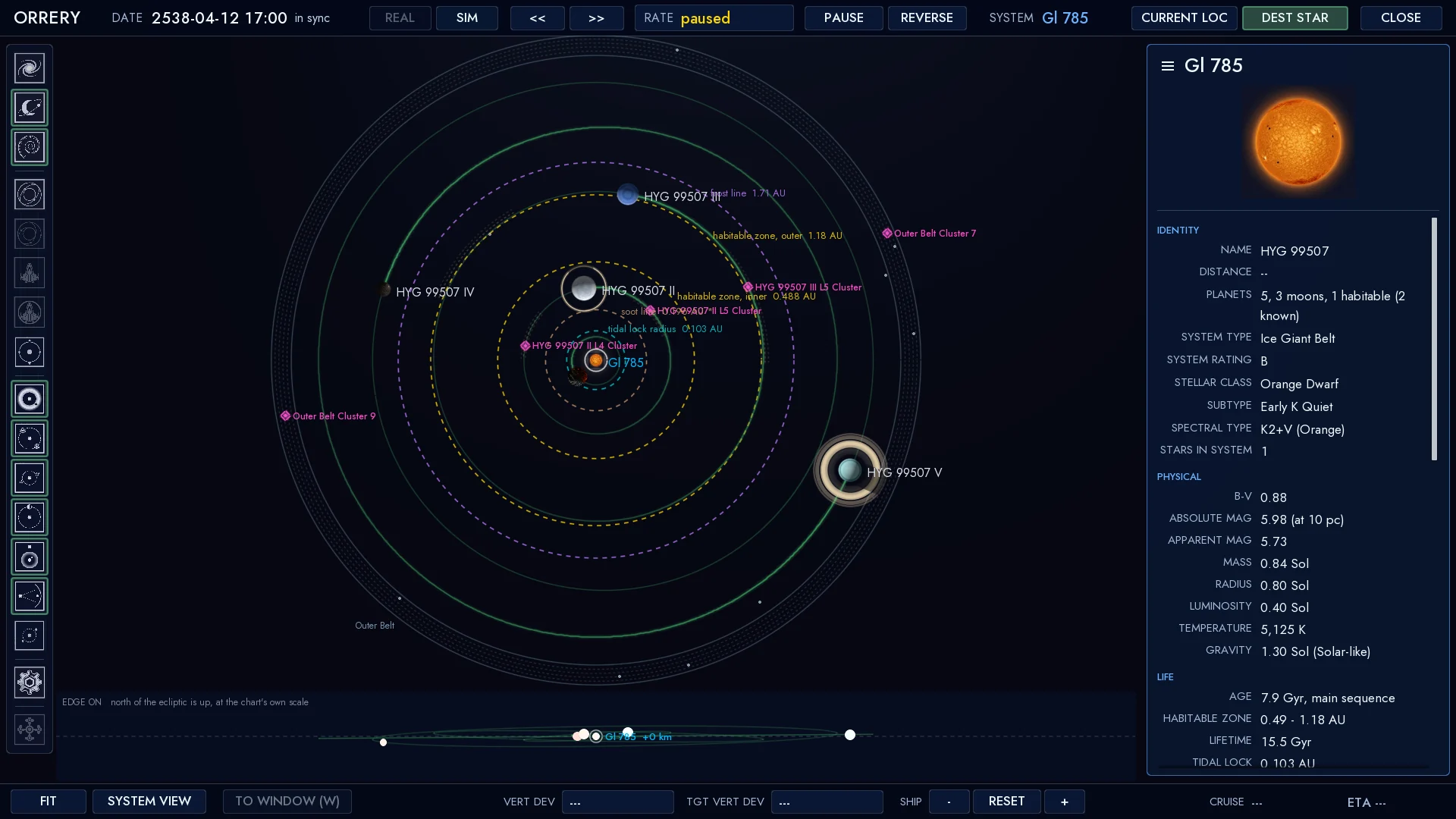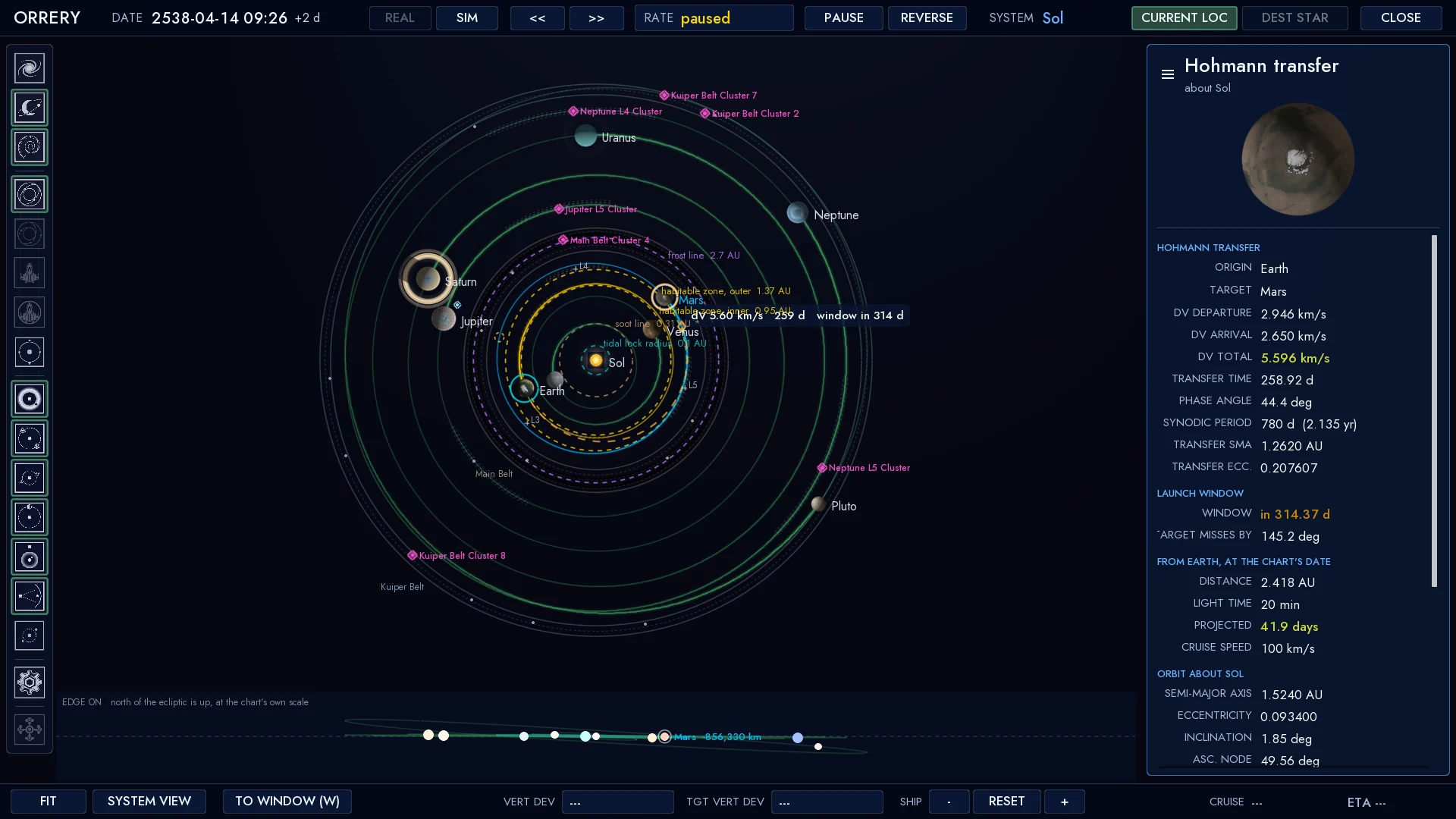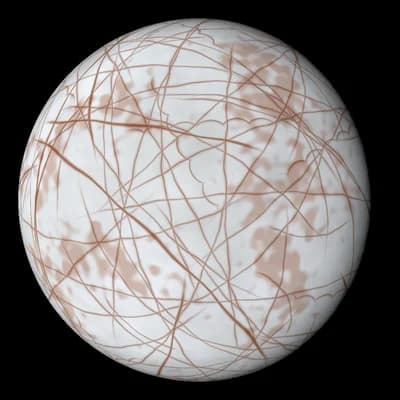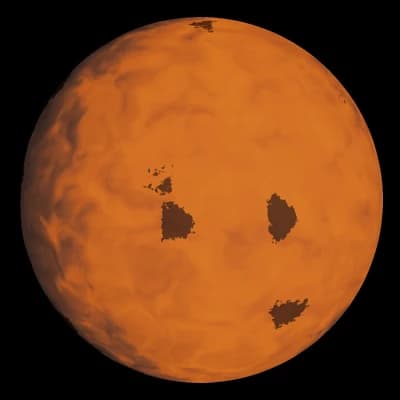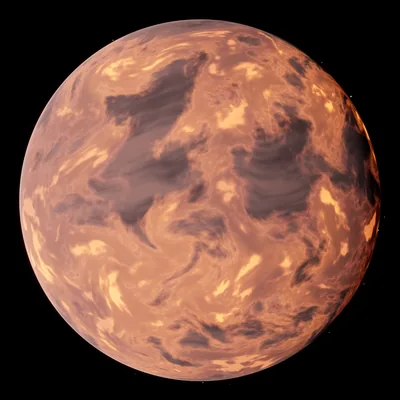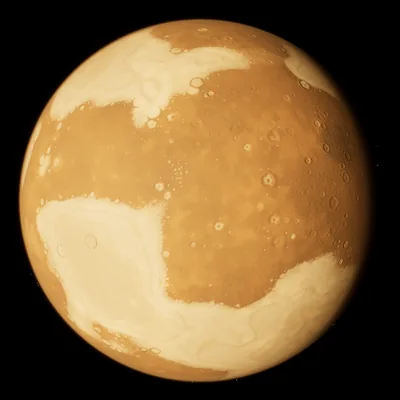
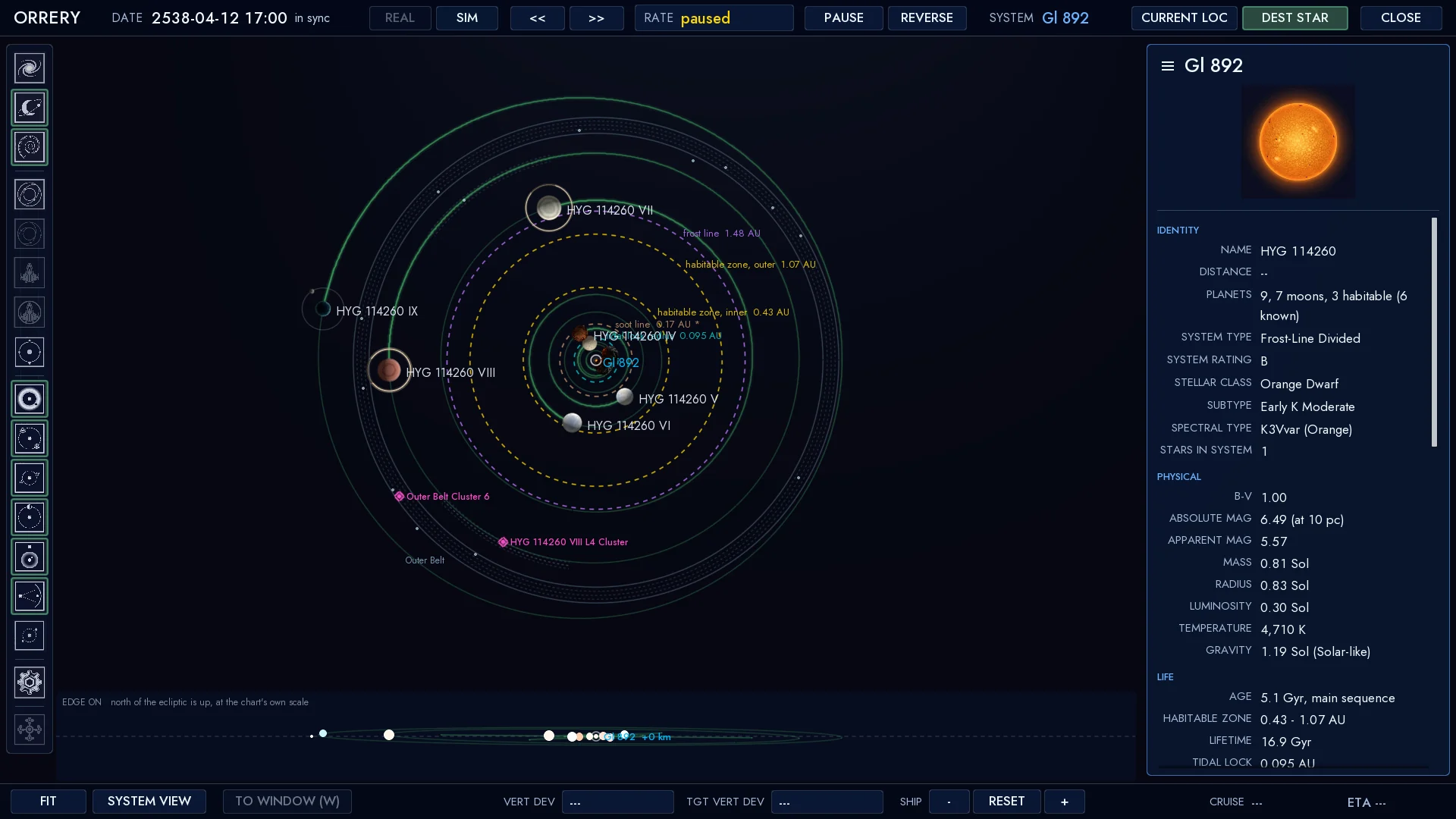
In Pax Abyssi: Gliese 892 in the orrery, small worlds packed inside the habitable zone and the giants beyond the frost line.
In-game capture, pre-alpha, orrery
Sol-like and resonant // Sol-like // 124 systems
Gliese 892: rock inside the frost line, giants outside it
An orange dwarf 6.5 parsecs away, with under a third of the Sun's light. Six small worlds crowd inside 0.4 AU: volcanic super-Earths, a young desert and two mini-Neptunes. The frost line sits at 1.48 AU, and the first giant forms just beyond it at 1.63 AU, a second at 3.1 AU, with an ice world out at 6.3 AU. This is the rule the Solar System follows, and around a G star the generator starts it at a weight of only 2 per cent, because surveys find layouts like ours uncommon.