Science // Lava worlds
Seas of molten rock, each grown from its own heat
A lava world is a rocky planet so close to its star that its day side melts. Every one in Pax Abyssi is procedural: one process reads the planet's heat, its crust and a seed of its own, and draws its sea, its shore, the rafts of crust riding on it and the cracks that glow.
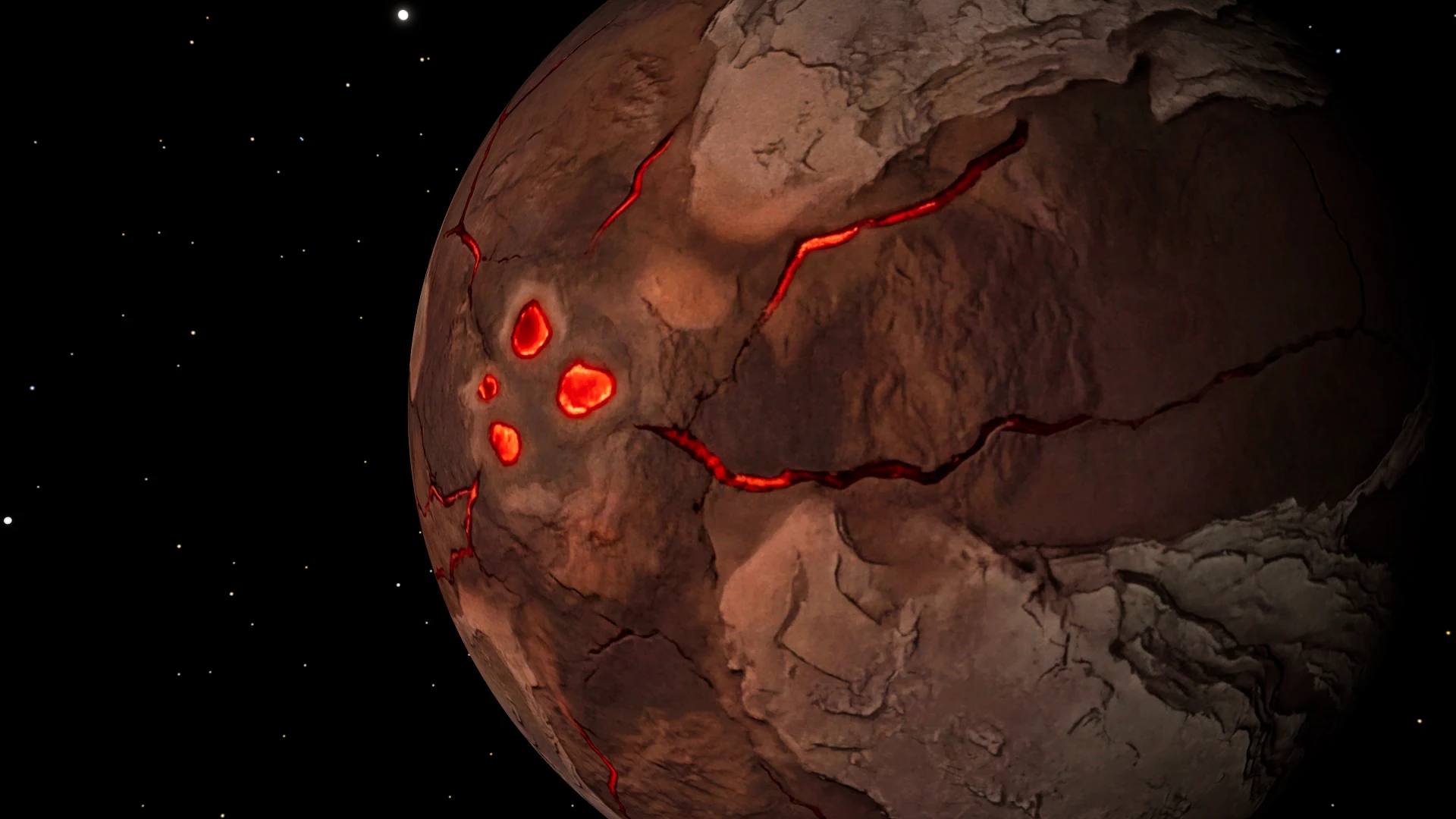
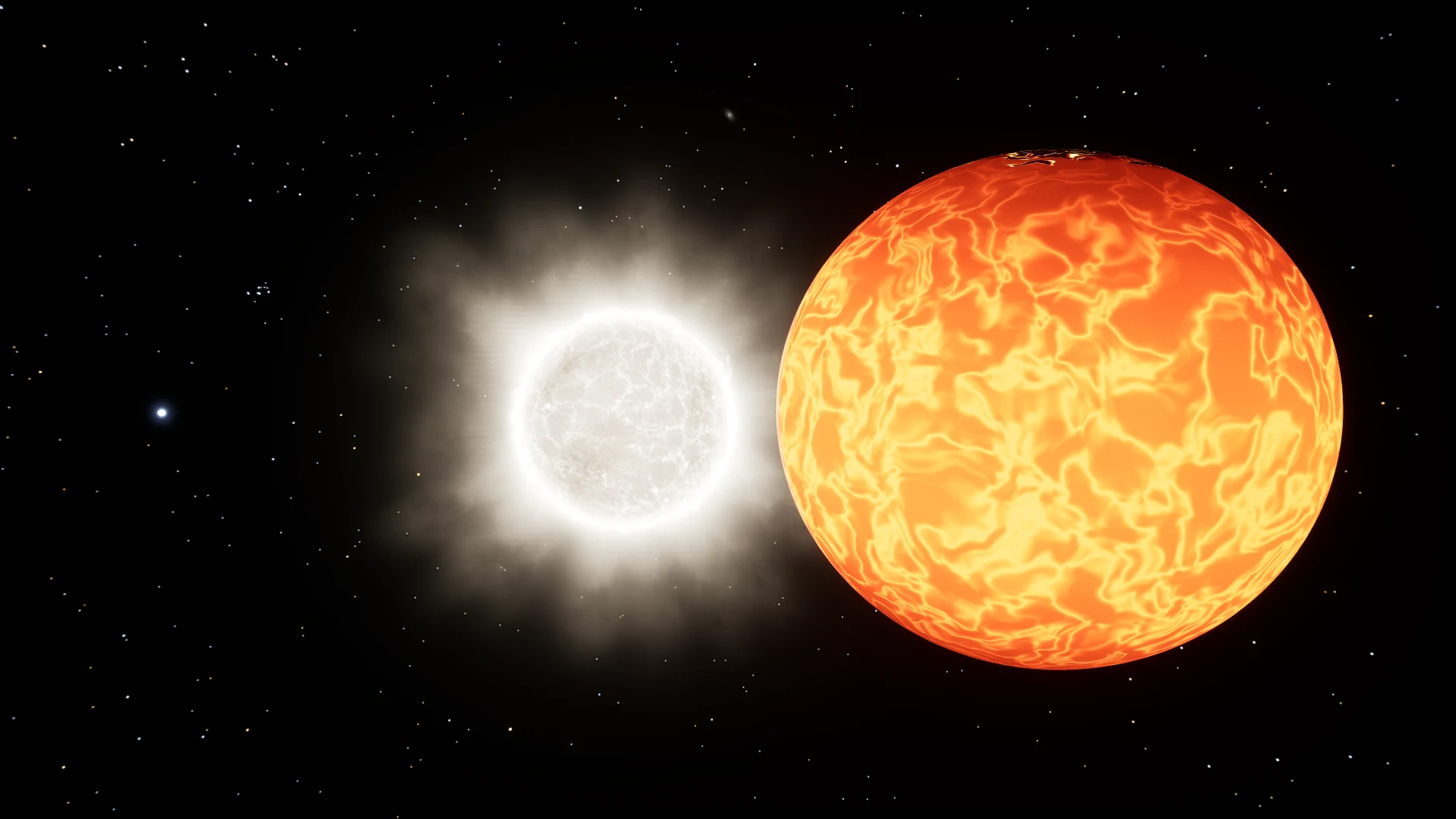
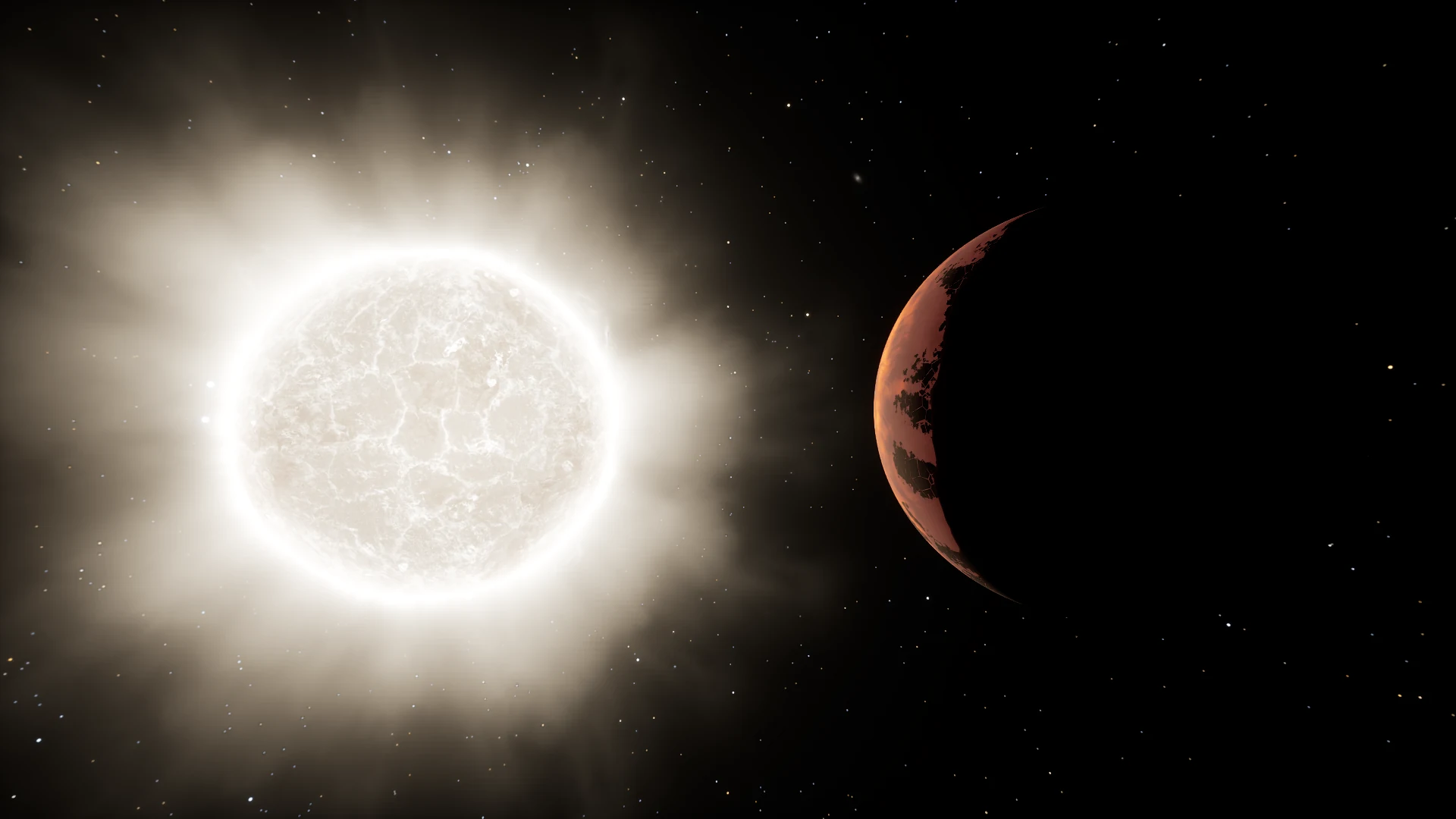
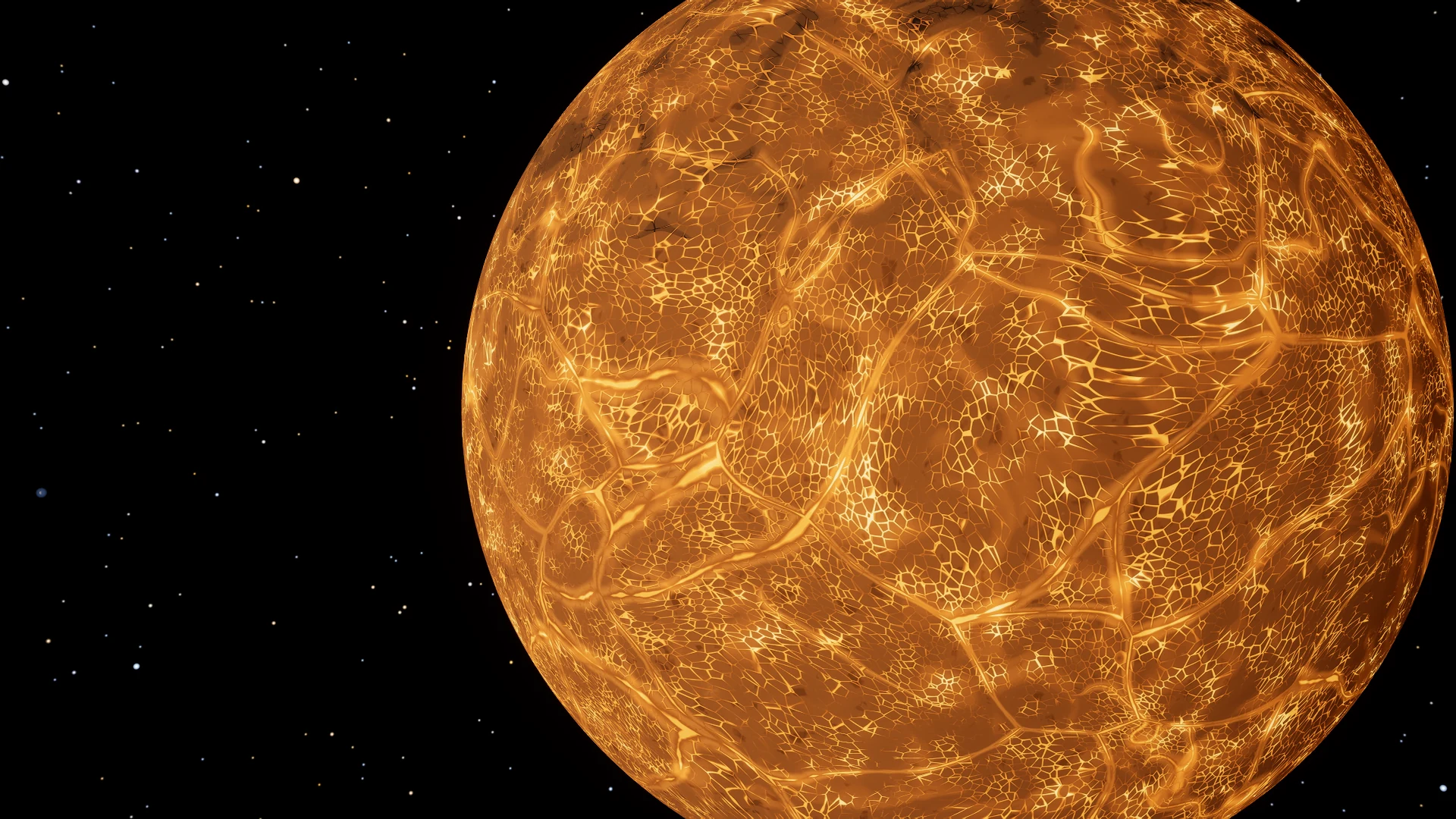
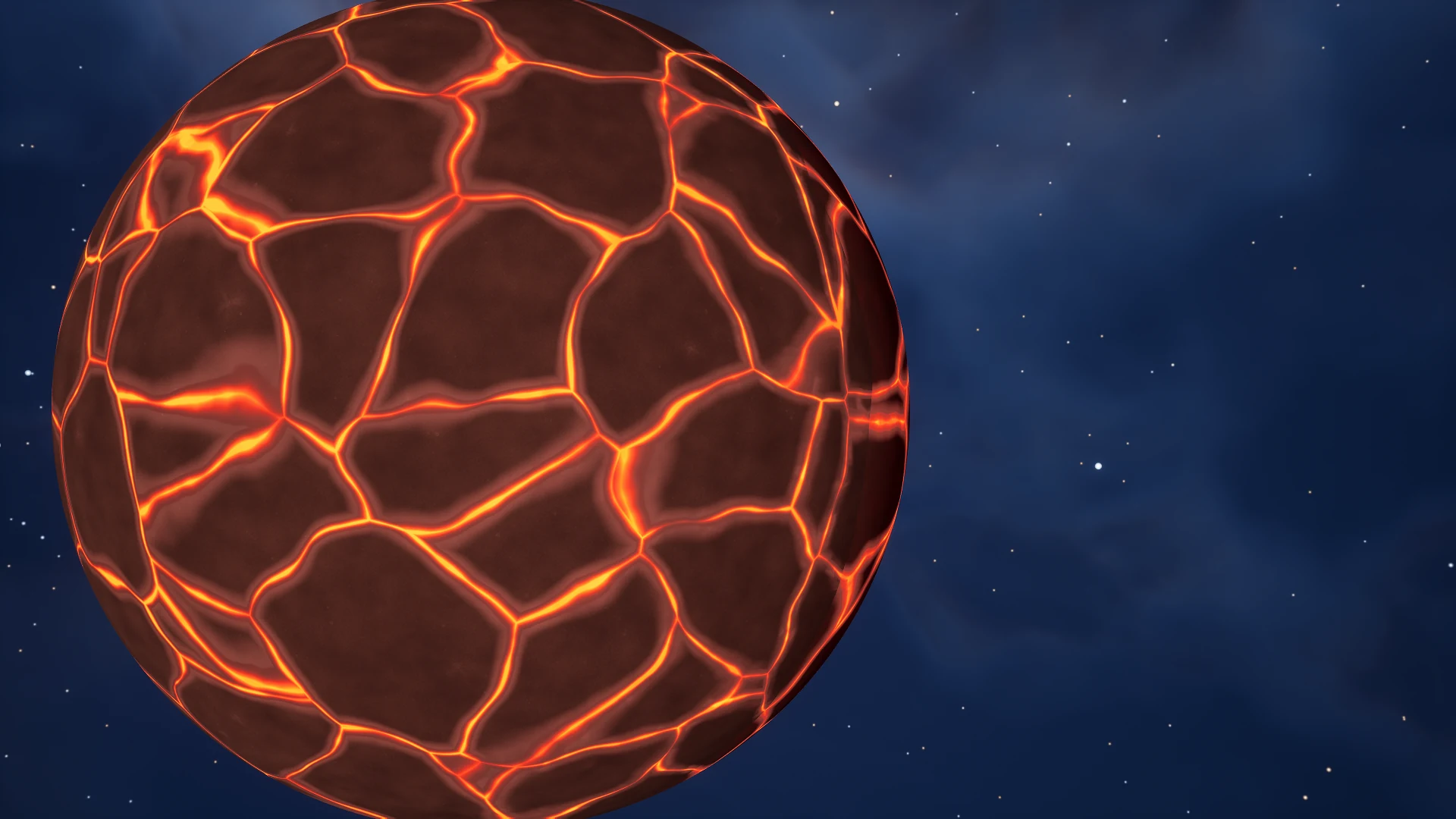
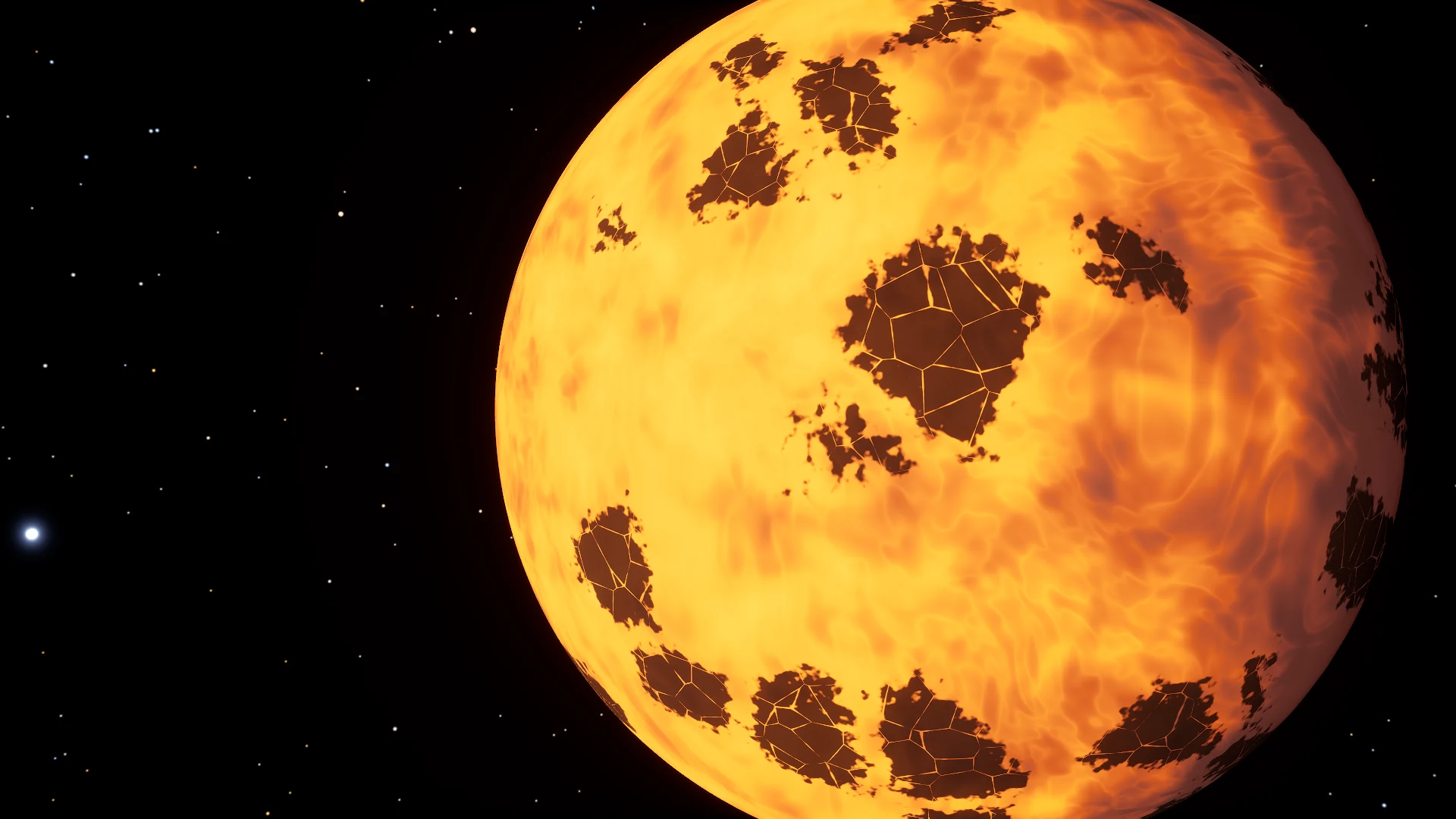
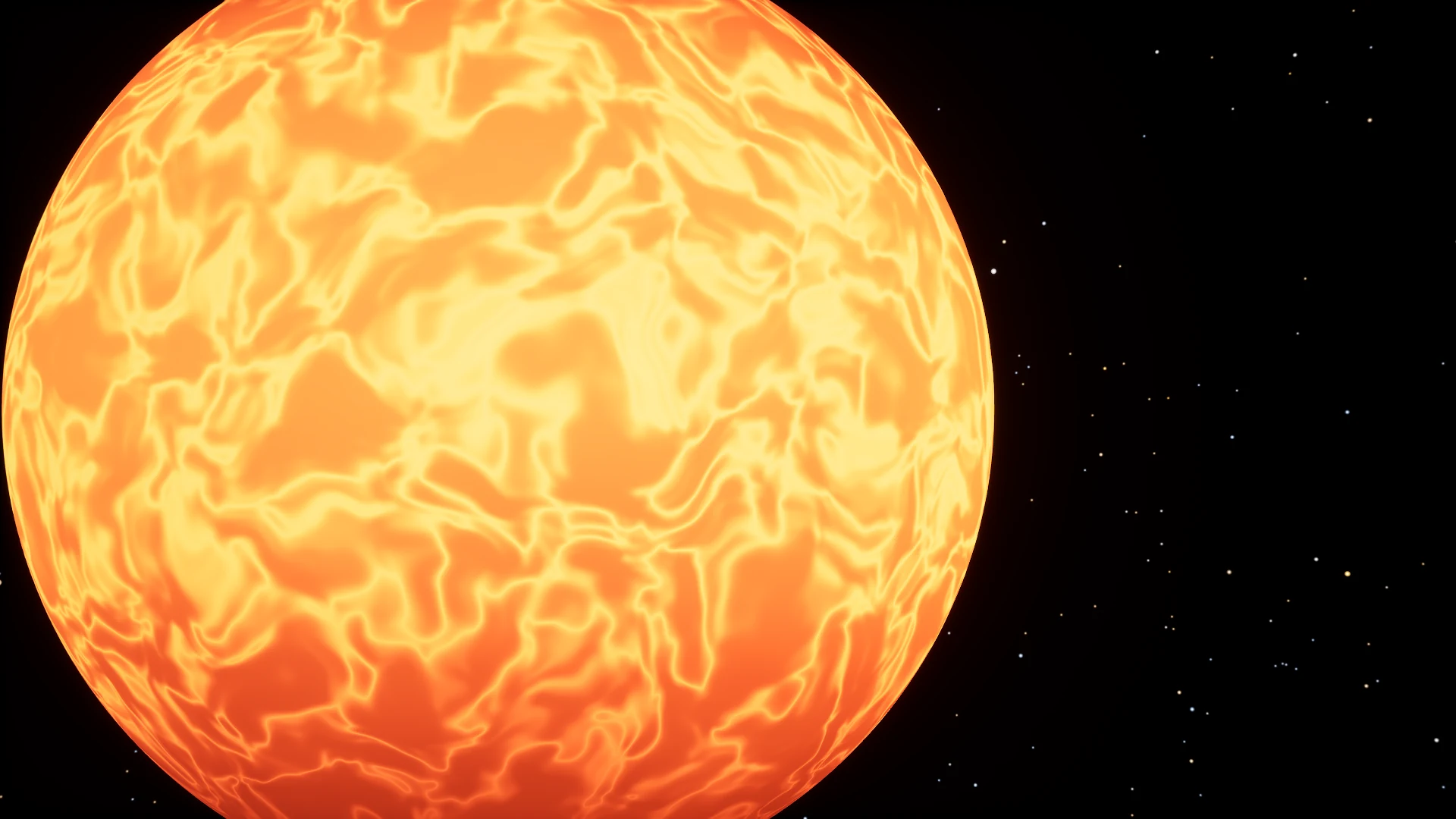
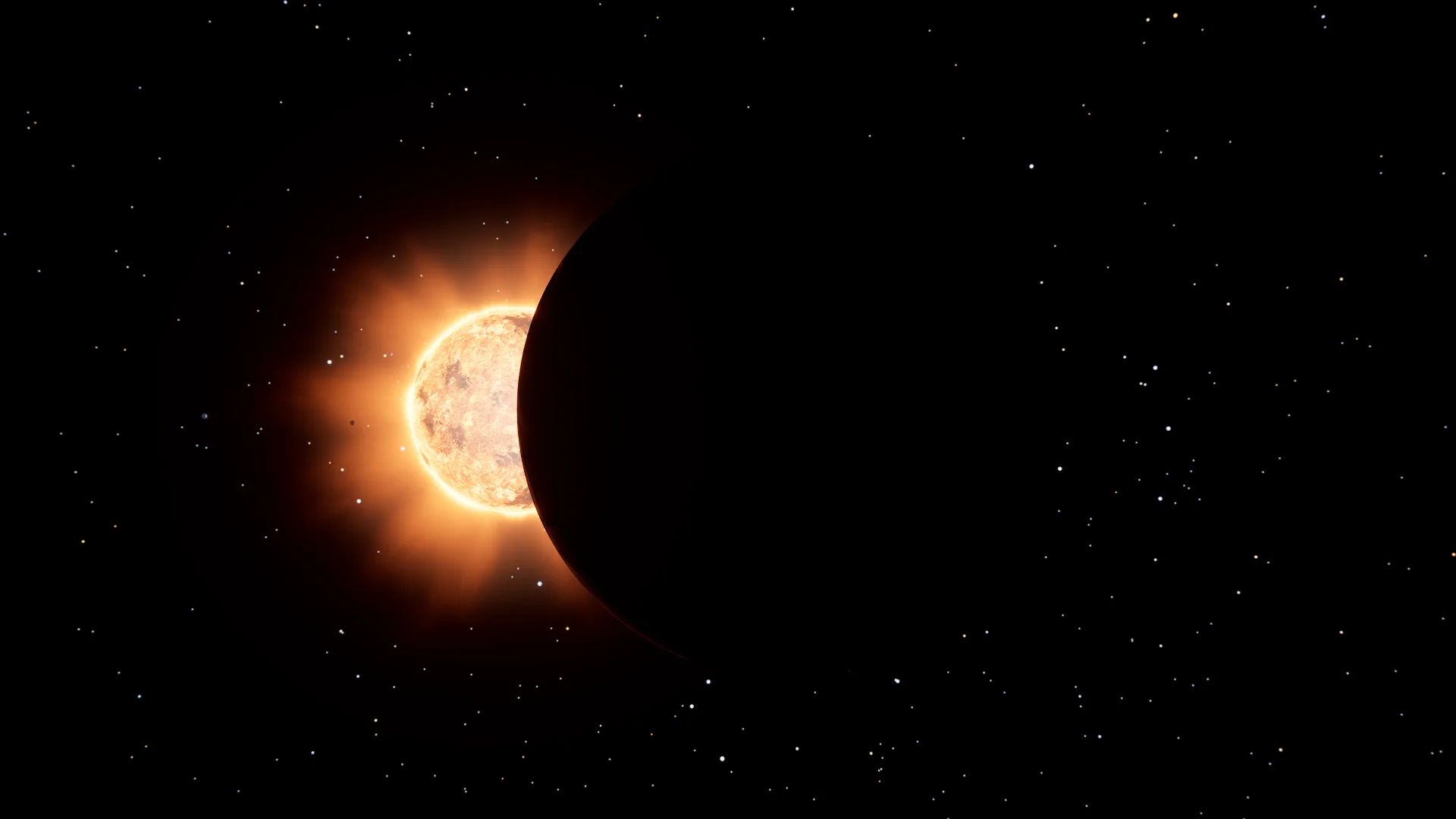
Lava worlds as you see them from the seat
Frames from the game, the HUD off. The sun is the star's own, at its true size and colour, and each sea is drawn from that planet's numbers. Select a frame to see it full size.
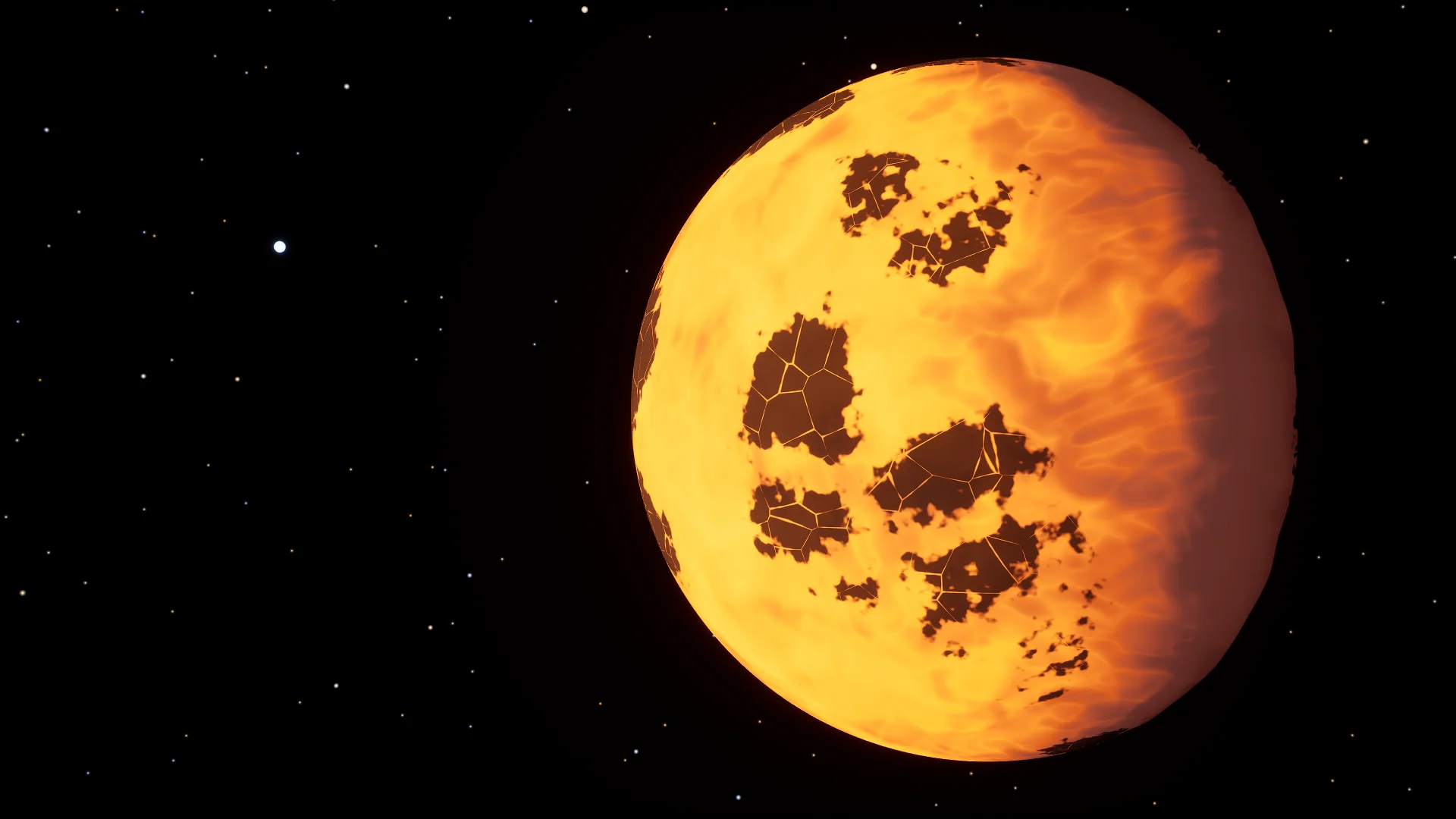
Where rock melts, the sea begins
Every point on a lava world takes its temperature from its star: hottest beneath it, cooling towards the terminator, and on a planet still turning, hottest along its equator. That temperature is set against the range over which basalt melts. Above it the rock is a sea; through the range lies the shore, where crust forms and breaks; below it the ground is solid, and only its cracks still glow.
Each planet then wears the process with its own numbers: its day-side and night-side heat, how much of its sea is crusted over and a seed taken from the body itself, so no two seas share a coastline. The sea is level ground, so you can set down on a raft at its shore, and a locked world's sea sits beneath its star to within a few degrees.
The process draws what the painted study of each type asks for. Long fractures in crossing families split the dark plates of the vein worlds. The heavily crusted worlds lay their crust in terraced sheets round the point beneath the star, lit by it, with a star of glowing cracks at the centre. Lakes open where three floes meet, veins carry a hotter core and pinch out as they run, and a rotating world's lava band lies on its own equator.
There are 705 lava planets around the catalogue stars, in 369 systems. They are as common as the Kepler survey found: about one Sun-like star in two hundred holds a small planet that circles it in less than a day.
18 lava types, from gold-white seas to frozen plates
Sorted the way the heat sorts them: ultra-hot, hot and moderate worlds locked to their stars, the volatile-rich worlds under a veil, and the worlds that still turn.
In Pax Abyssi: every sphere is our lava field drawn at the type's typical heat, seen from near its star in the default look. Hover or focus a tile for its name.
- In the game
- In development
- Planned
Ultra-hot lava worlds
Locked to their stars with day sides above 2,500 K: seas of gold-white magma, open to the rim or carrying rafts of crust that crowd towards the shore.
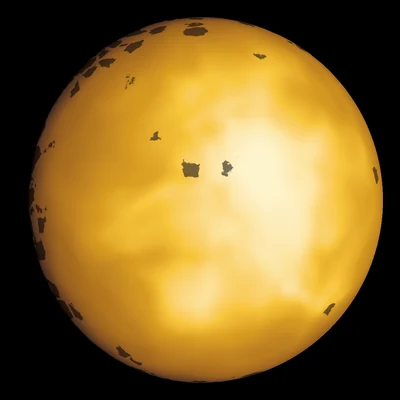 LWTL-UH-PR
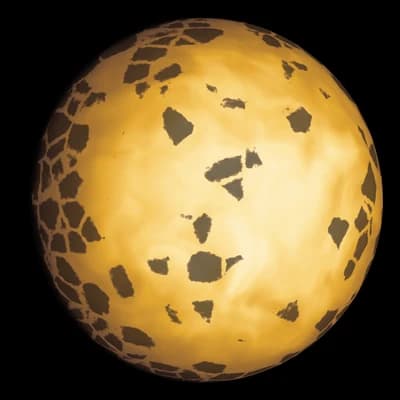 LWTL-UH-VN
Hot lava worlds
Day sides of 2,000 to 2,500 K and seas of orange magma, rafts of crust riding on them and streaks fanning from beneath the star.
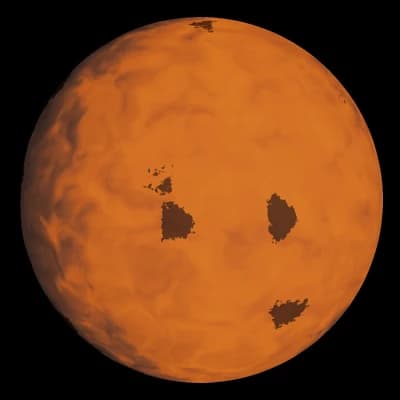 LWTL-HT-CL
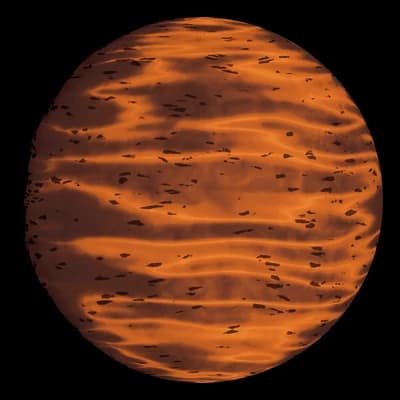 LWTL-HT-FL
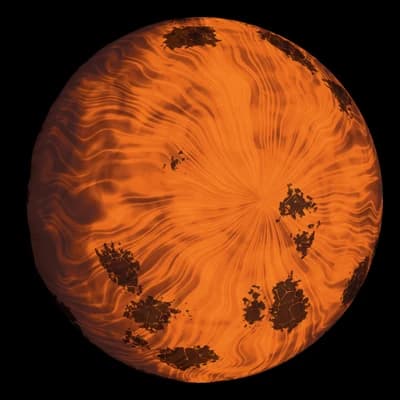 LWTL-HT-GL
Moderate lava worlds
Below 2,000 K the sea reddens and the crust gains ground, from a red-orange sea in a band to frozen plates holding a few red lakes. The commonest lava worlds in the catalogue: the cool magma end alone holds 168 planets.
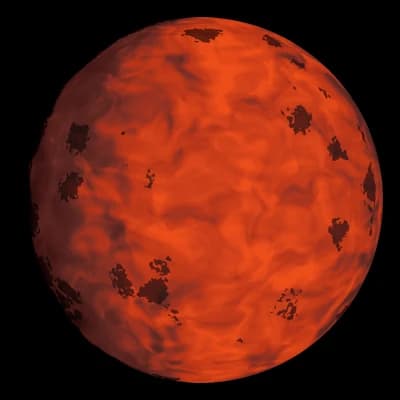 LWTL-MD-MH
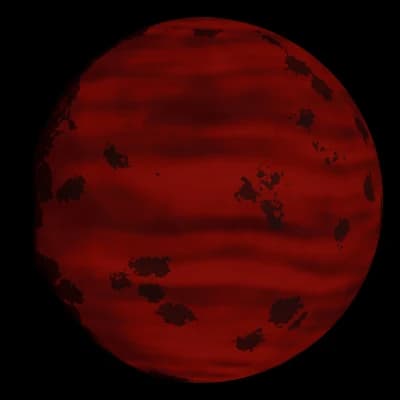 LWTL-MD-MC
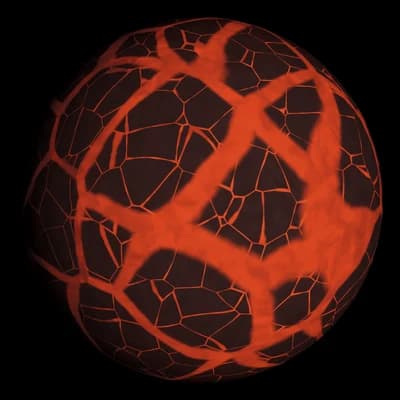 LWTL-MD-MX
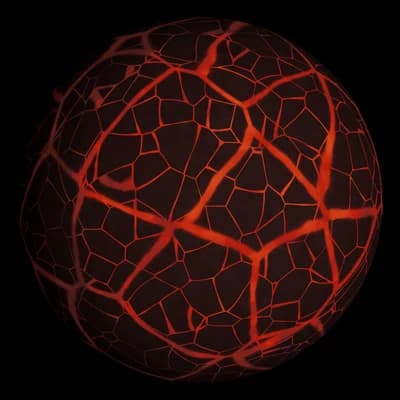 LWTL-MD-VN
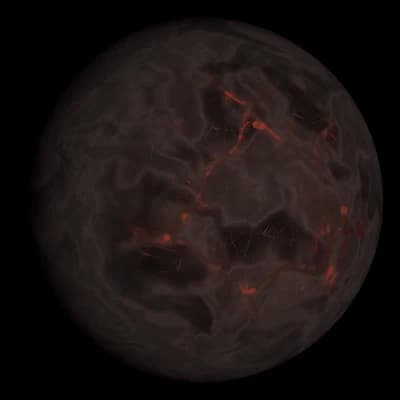 LWTL-MD-CR
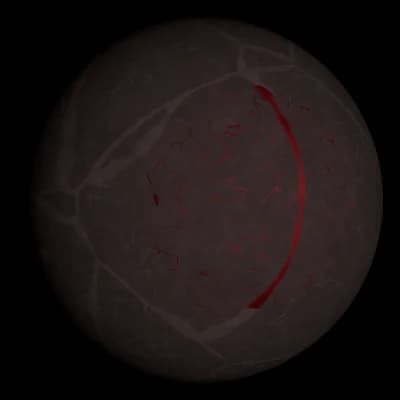 LWTL-MD-FR
Volatile-rich lava worlds
Locked worlds that kept a thick envelope of volatiles over their magma, so the glow is seen through a veil.
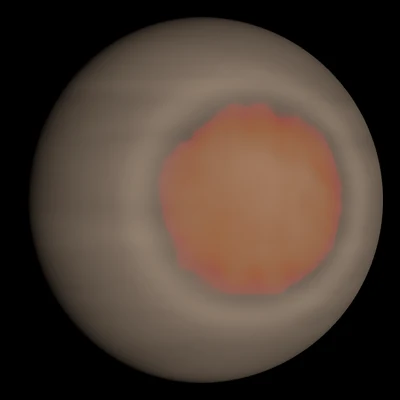 LWTL-VR-CL
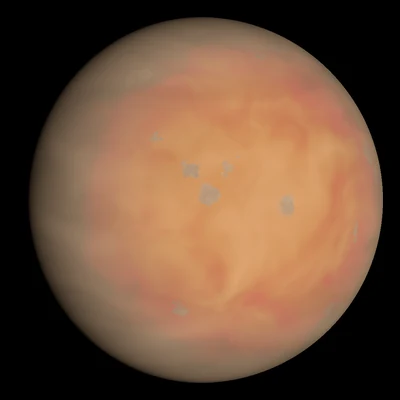 LWTL-VR-WM
Rotating lava worlds
Lava worlds that still turn. They are heated by latitude instead of from one point, so their lava runs all the way round, on the planet's own equator. The ultra-hot magma worlds are the second commonest lava worlds in the catalogue.
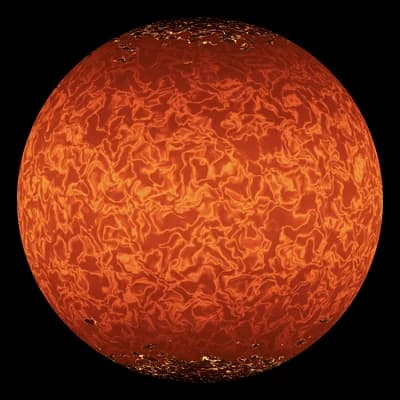 LWN-UM-SD
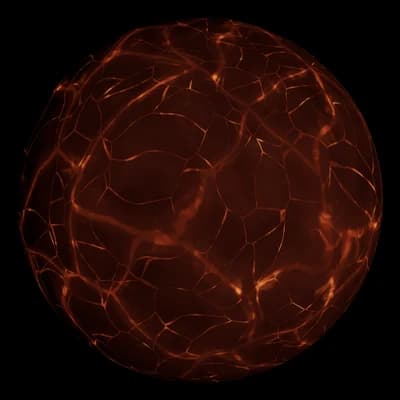 LWN-HC-SD
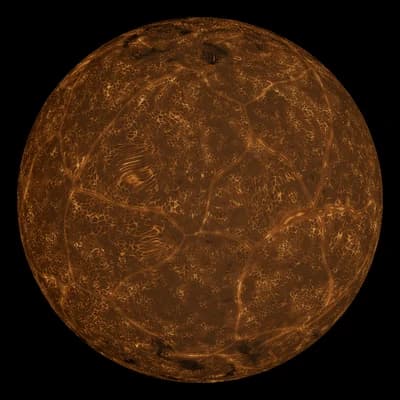 LWN-MC-SD
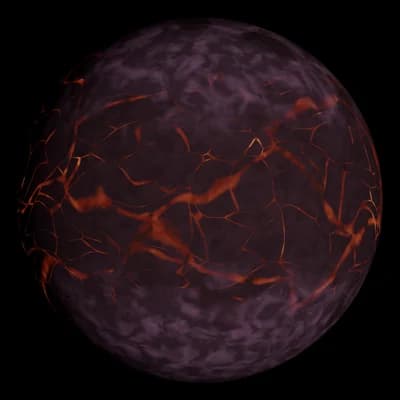 LWN-HV-SD
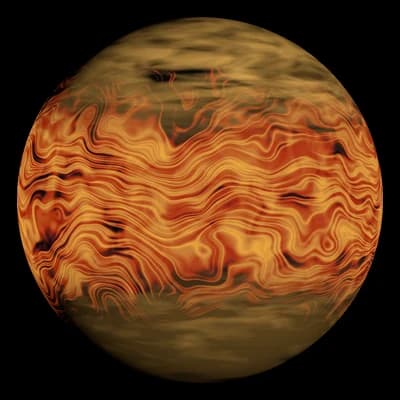 LWN-HH-SD
As painted, or at true brightness
By default a lava world glows the way our painted studies of each type show it. LAVA LOOK, on the SPACE page of the options, switches to the scientific look: the black body at its true brightness against the light of the star. Seen that way a lava world's day side is a dull brown, its sea only a shade warmer than the land, because molten rock at 2,000 K is faint beside the sunlight falling on it.
The science of both looks, the sixteen original types and how one process draws them all is in our feature Seas of molten rock. Barren and icy worlds, which use the same generator, have their own page.
The rest of the science
 The galaxy111 billion stars, the measured ones where astronomers put themThe whole Milky Way at true scale: every catalogued star in its measured place, and the rest generated from a published model of our galaxy.
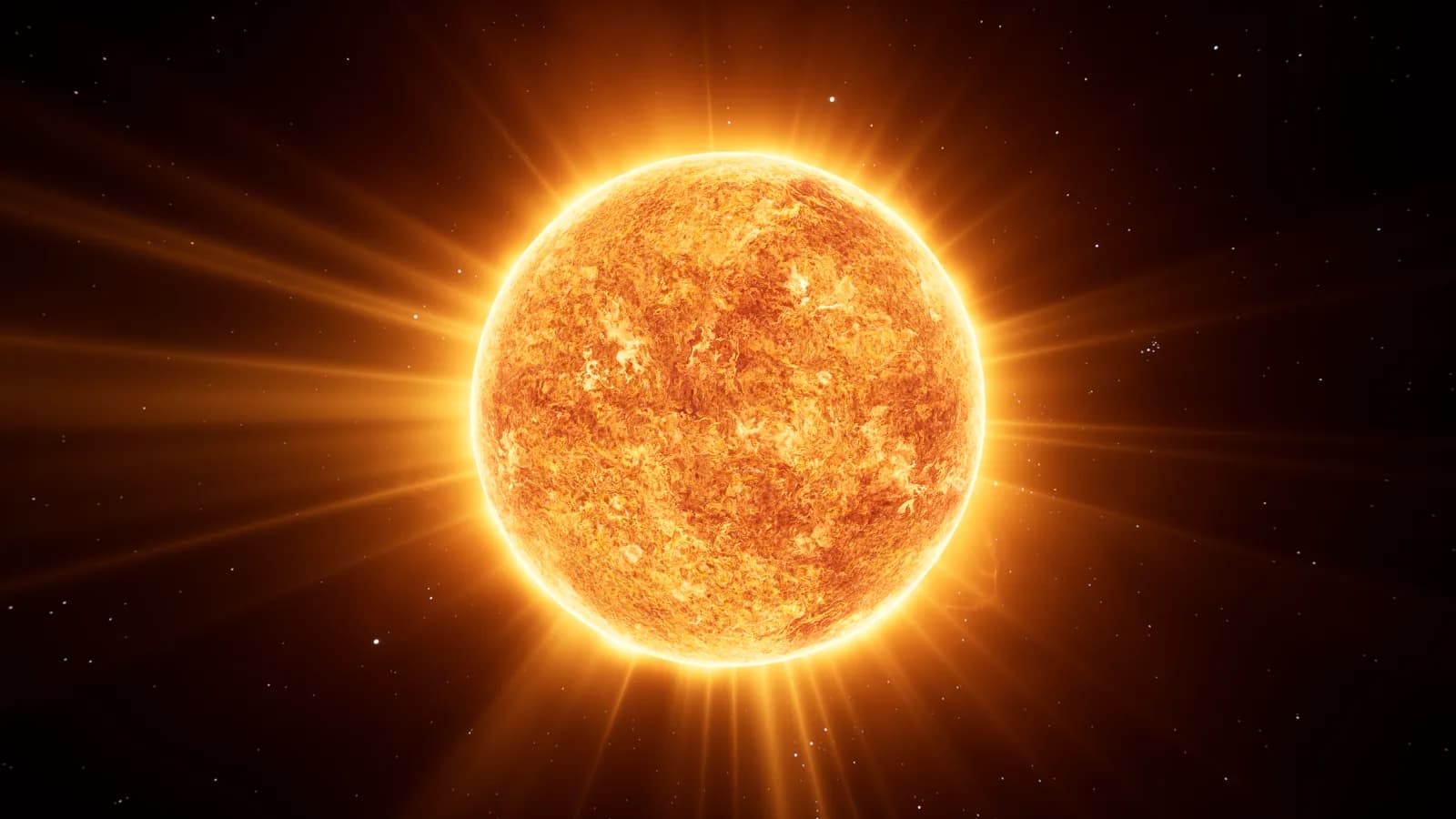 StarsA star is the colour of its temperaturePlanck's law through the human eye, so the Sun is white. Pick Scientific, Game or Vivid in the options.
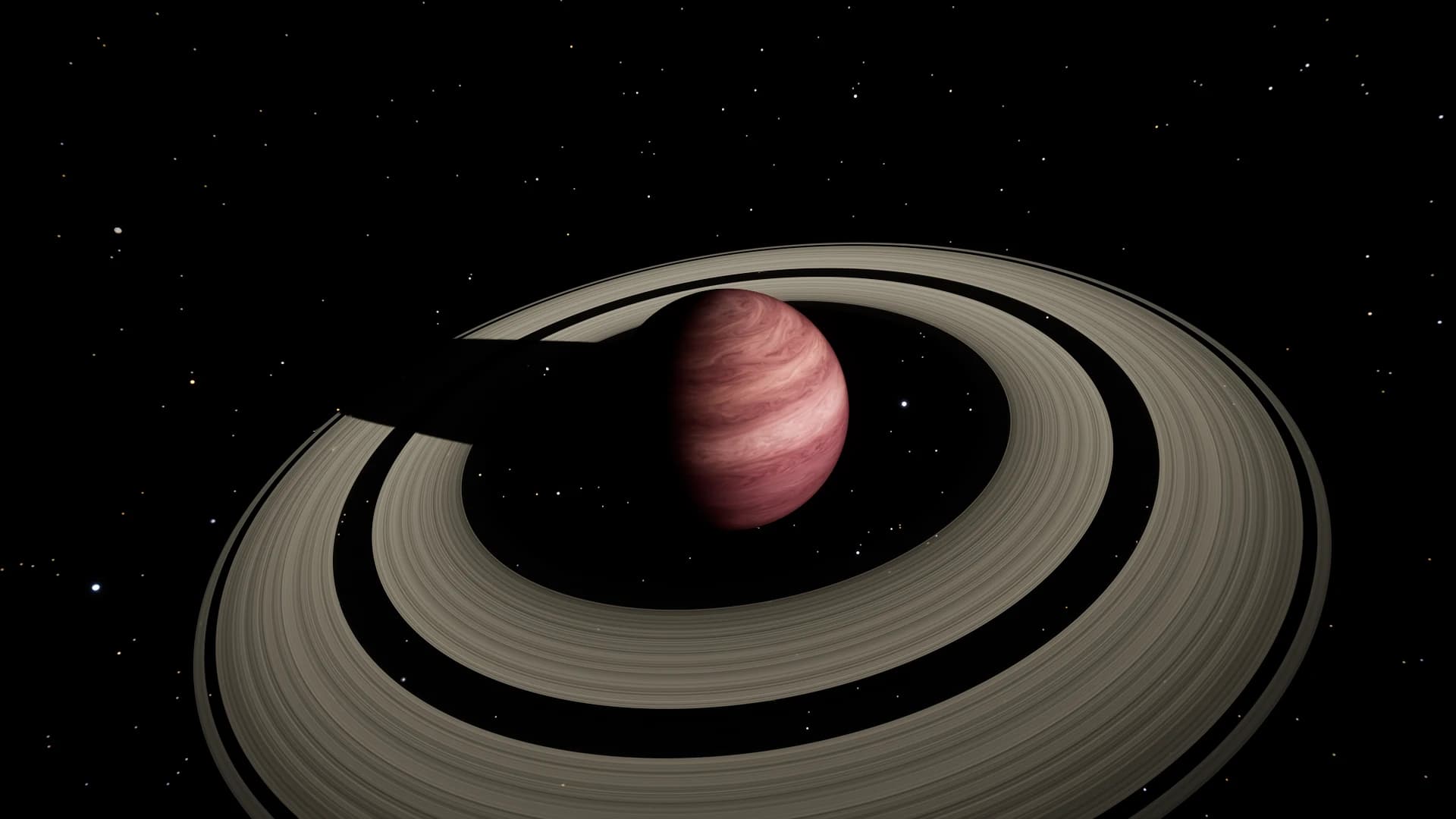 Gas giantsEvery kind of giant, drawn from its chemistry41 types across five families, each growing its own weather from a seed.
 Barren and ice worldsEvery barren and icy world, grown from its typeAirless moons, iron worlds and ice super-Earths at their true radius, with the research behind each type and the numbers one planet is made of.
 Greenhouse worldsVenus's kind, from the cloud tops downDecks of acid, water or sulfur cloud drawn from each planet's own winds, tens of bar of air beneath, and ground hot enough to glow.
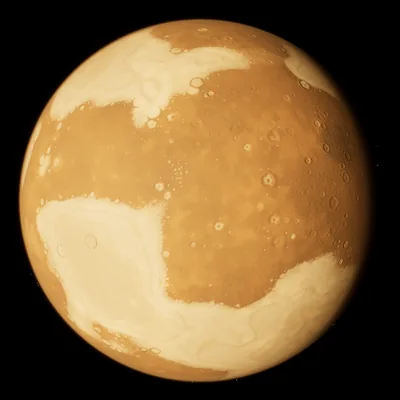 Arid worldsMars and its kind, from orbit to the dustRust plains, cratered highlands, basalt shields, evaporated oceans and clouded deserts, every planet's caps sized by its own temperature, and Mars from its own layout.
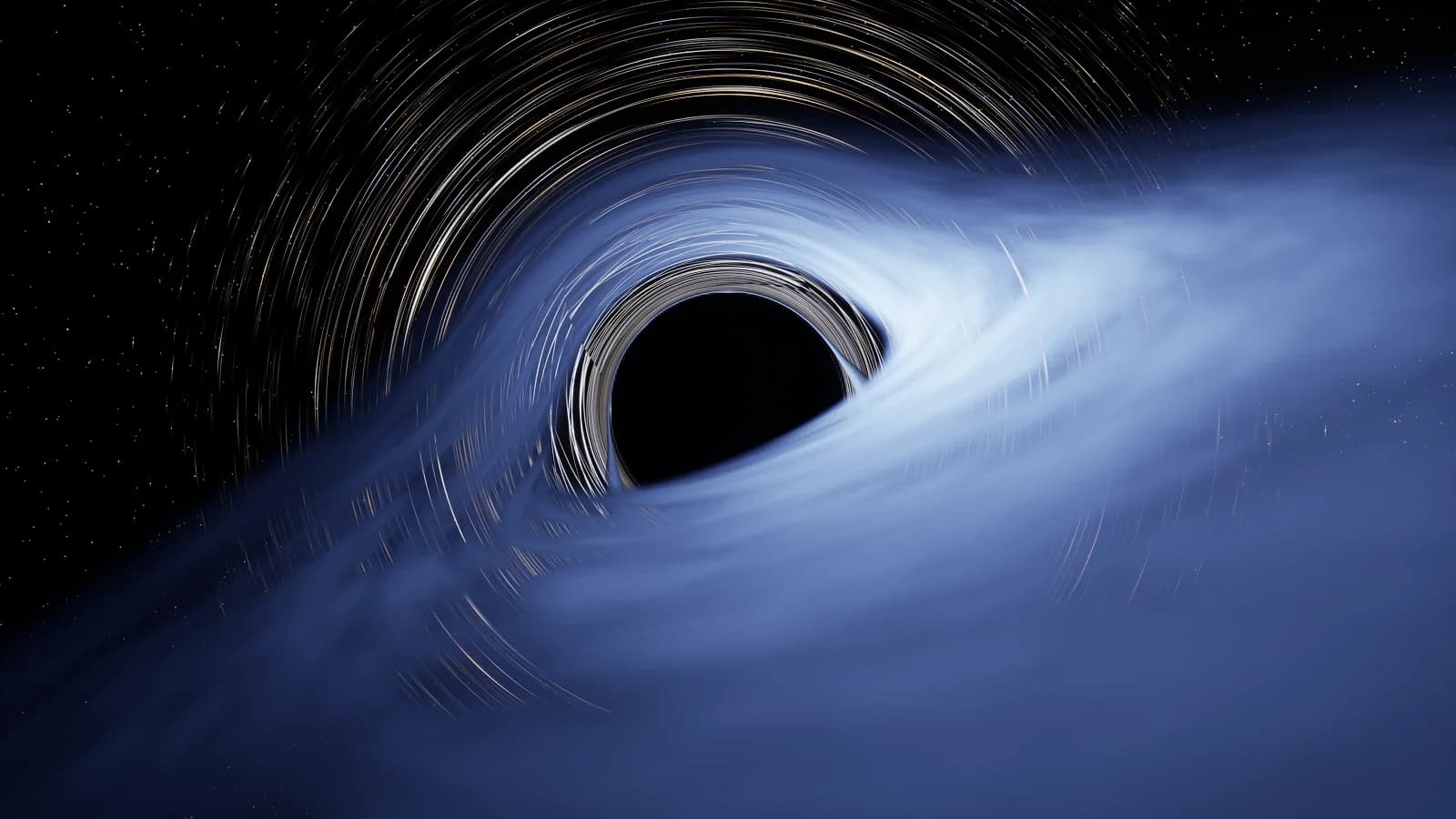 Black holesThe physics, and an artist's visionLight solved through general relativity at every pixel, over the real star field behind the hole.
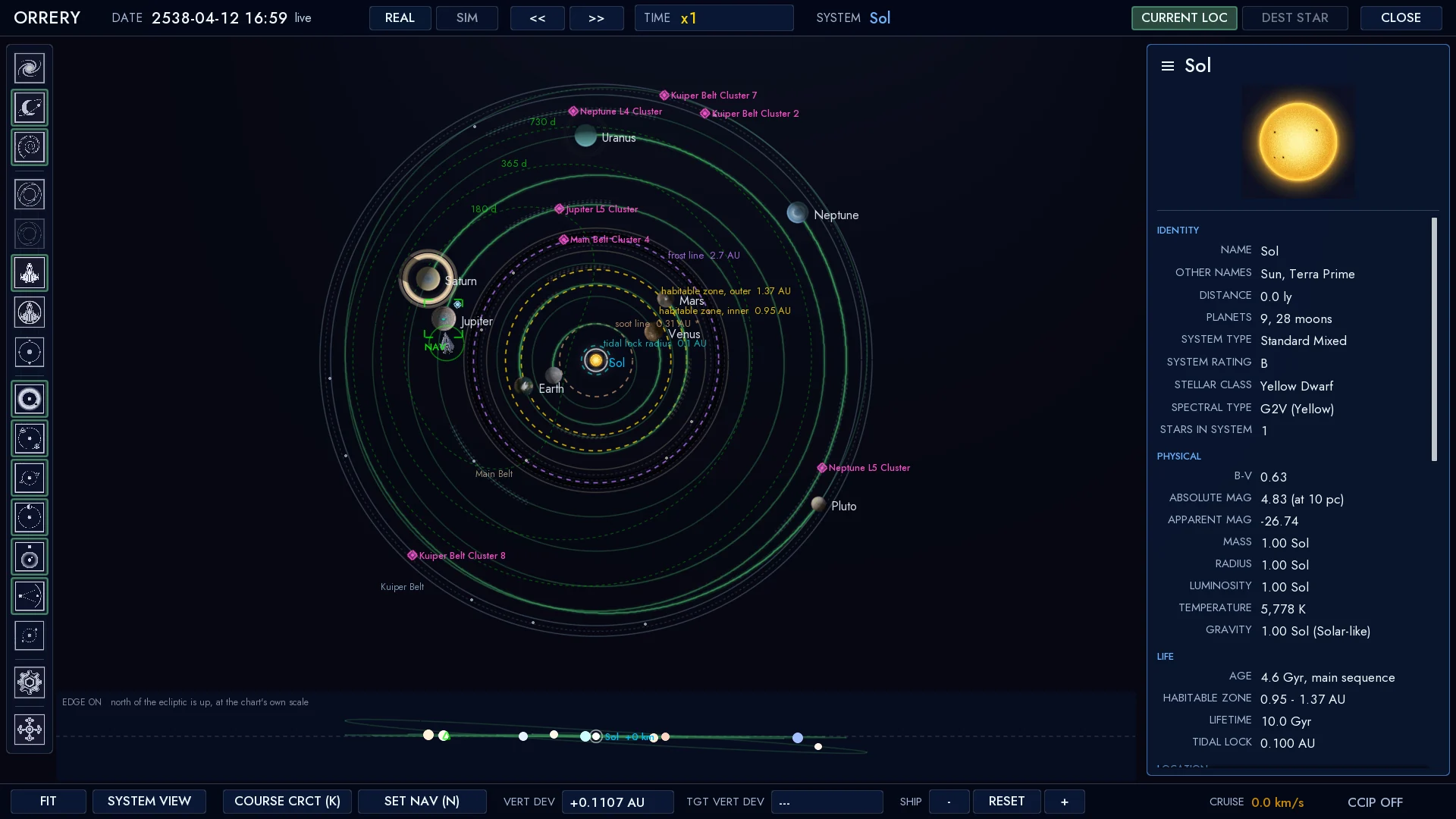 Solar systemsSolar system types and the orrery23 layouts taken from the exoplanet surveys, and an orrery that charts any system at any date.